










LIBRO INGLESE





Basics of Structural Equation Modeling


252,20 €
+2520
punti 
Venditore: Feltrinelli
Articolo acquistabile con Carta del Docente

Articolo acquistabile con Carta Cultura Giovani e Carta del Merito

Articolo acquistabile con Carta della Cultura

Paga con Klarna in 3 rate senza interessi per ordini superiori a 39 €

Dati e Statistiche
 Salvato in 0 liste dei desideri
Salvato in 0 liste dei desideri
Basics of Structural Equation Modeling
Disponibilità in 2 settimane
252,20 €
252,20 €
Disponibilità in 2 settimane

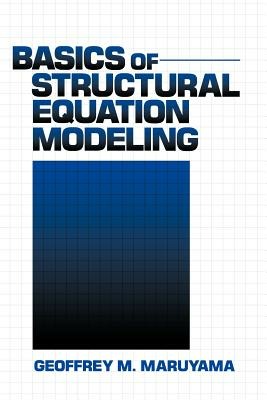



With the availability of software programs, such as LISREL, EQS, and AMOS, modelling (SEM) techniques have become a popular tool for formalized presentation of the hypothesized relationships underlying correlational research and test for the plausibility of the hypothesizing for a particular data set. However, the popularity of these techniques has often led to misunderstandings of them and even their misuse, particularly by students exposed to them for the first time. Through the use of careful narrative explanation, Maruyama's text describes the logic underlying SEM approaches, describes how SEM approaches relate to techniques like regression and factor analysis, analyzes the strengths and shortcomings of SEM as compared to alternative methodologies, and explores the various methodologies for analyzing structural equation data. In addition, Maruyama provides carefully constructed exercises both within and at the end of chapters.
-
Autore:
-
Editore:
-
Anno:1997
-
Rilegatura:Paperback / softback
-
Pagine:328 p.
Testo in English
Dimensioni:
228 x 152 mm
Peso:
540 gr.
EAN:
9780803974098

Informazioni e Contatti sulla Sicurezza dei Prodotti
Le schede prodotto sono aggiornate in conformità al Regolamento UE 988/2023. Laddove ci fossero taluni dati non disponibili per ragioni indipendenti da Feltrinelli, vi informiamo che stiamo compiendo ogni ragionevole sforzo per inserirli. Vi invitiamo a controllare periodicamente il sito www.lafeltrinelli.it per eventuali novità e aggiornamenti.
Per le vendite di prodotti da terze parti, ciascun venditore si assume la piena e diretta responsabilità per la commercializzazione del prodotto e per la sua conformità al Regolamento UE 988/2023, nonché alle normative nazionali ed europee vigenti.
Per informazioni sulla sicurezza dei prodotti, contattare productsafety@feltrinelli.it
