










EBOOK IN LINGUA STRANIERA





Best Practice for Experimental Methods in Architecture

121,67 €
+1220
punti 
Venditore: Feltrinelli

Acquista online
Scaricabile subito
Articolo acquistabile con Carta del Docente

Articolo acquistabile con Carta Cultura Giovani e Carta del Merito

Articolo acquistabile con Carta della Cultura

Dati e Statistiche
 Salvato in 0 liste dei desideri
Salvato in 0 liste dei desideri
Best Practice for Experimental Methods in Architecture
Scaricabile subito
121,67 €
121,67 €
Scaricabile subito

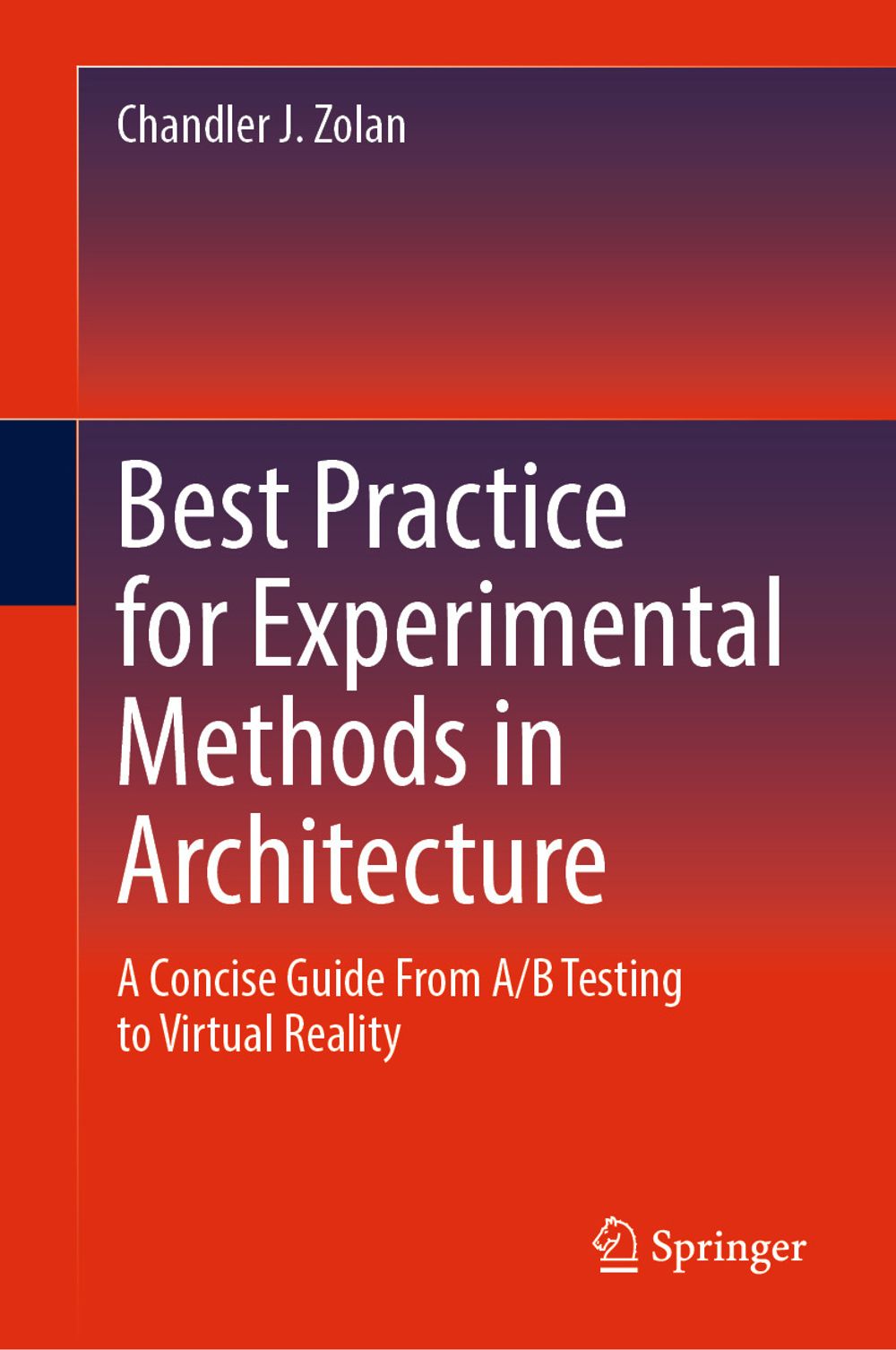



This book provides a comprehensive guide to designing and conducting survey experiments in architecture, focusing on the intersection of research methodology and human interaction with the built environment. It covers a wide range of essential experimental techniques tailored to the architectural field, starting with foundational concepts like A/B testing and factorial design. It further provides clear, step-by-step strategies for implementing experimental designs, empowering architects, designers, and researchers to make data-driven decisions that enhance the spaces we live and work in. The chapters on within-subjects and between-subjects designs provide a deeper dive into how to measure responses to various environmental factors, such as lighting, room layout, and acoustics. Another key focus of the book is the use of emerging technologies like virtual reality (VR) in experimental design. With VR becoming an increasingly important tool in architectural testing, the book explores how virtual environments can be used to simulate real-world conditions, creating highly controlled experiments that can provide rich, actionable insights. The use of pilot testing is also emphasized to ensure that experiments are designed effectively before large-scale implementation. Ethics and Institutional Review Board (IRB) considerations are thoroughly discussed, ensuring that readers understand the importance of safeguarding participants' rights and privacy in any experimental study. The book doesn’t stop at the methodology; it gives practical advice on how to report results, interpret data, and address challenges like external validity, providing readers with a robust framework for translating experimental findings into actionable insights for architectural practice, ensuring that research contributes meaningfully to the design process and the improvement of built environments.
-
Autore:
-
Anno edizione:2026
-
Editore:
-
Formato:
-
Lingua:Inglese
Compatibilità:
Tutti i dispositivi (eccetto Kindle) Scopri di più
Layout:
Reflowable
EAN:
9783032158840

Formato:
Gli eBook venduti da Feltrinelli.it sono in formato ePub e possono essere protetti da Adobe DRM. In caso di download di un file protetto da DRM si otterrà un file in formato .acs, (Adobe Content Server Message), che dovrà essere aperto tramite Adobe Digital Editions e autorizzato tramite un account Adobe, prima di poter essere letto su pc o trasferito su dispositivi compatibili.
Cloud:
Gli eBook venduti da Feltrinelli.it sono sincronizzati automaticamente su tutti i client di lettura Kobo successivamente all’acquisto. Grazie al Cloud Kobo i progressi di lettura, le note, le evidenziazioni vengono salvati e sincronizzati automaticamente su tutti i dispositivi e le APP di lettura Kobo utilizzati per la lettura.
Clicca qui per sapere come scaricare gli ebook utilizzando un pc con sistema operativo Windows
