









EBOOK IN LINGUA STRANIERA





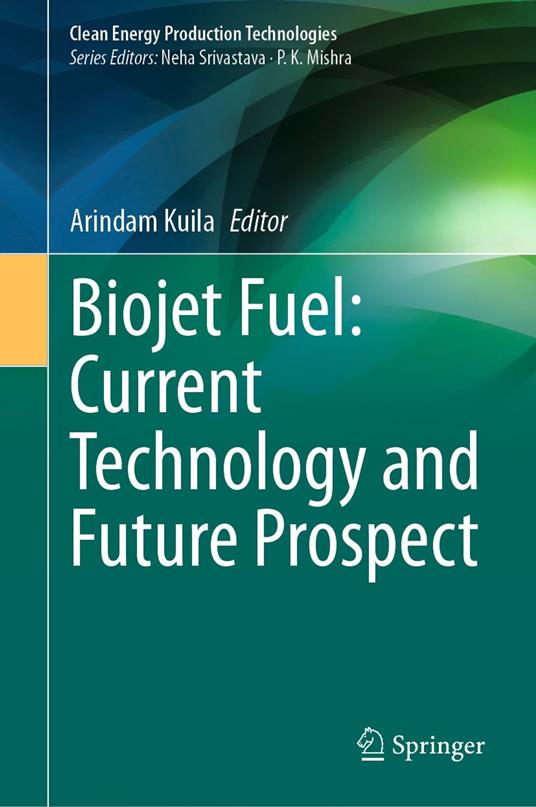
Biojet Fuel: Current Technology and Future Prospect

140,39 €
+1400
punti 
Venditore: Feltrinelli

Acquista online
Scaricabile subito
Articolo acquistabile con Carta del Docente

Articolo acquistabile con Carta Cultura Giovani e Carta del Merito

Articolo acquistabile con Carta della Cultura

Dati e Statistiche
 Salvato in 0 liste dei desideri
Salvato in 0 liste dei desideri
Biojet Fuel: Current Technology and Future Prospect
Scaricabile subito
140,39 €
140,39 €
Scaricabile subito
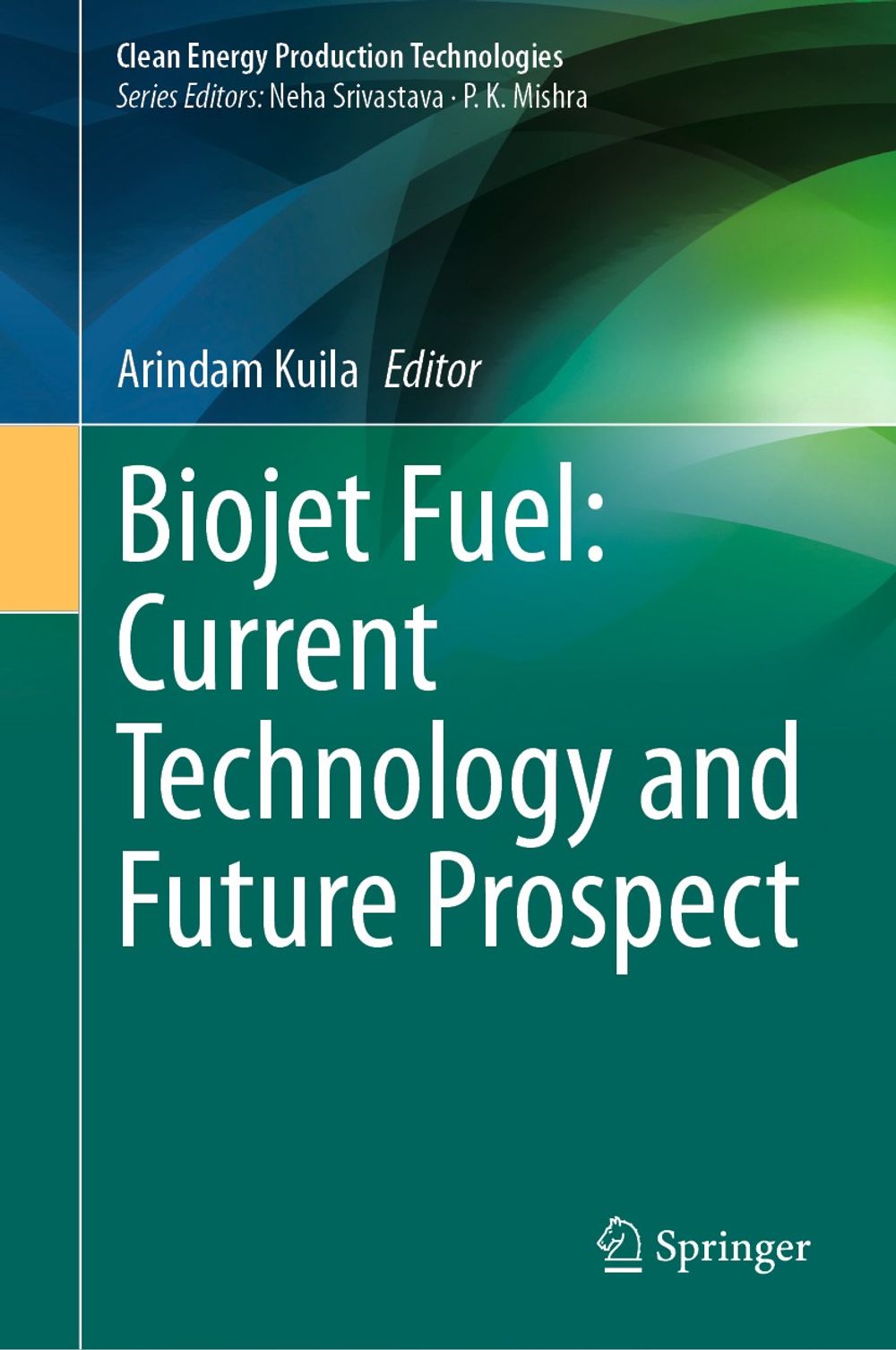


This book covers the basic knowledge of biojet fuel, explores the current technological status, and presents future prospects for commercial biojet fuel production. The focus of this book is on biojet fuel production from different types of potential substrates. It also includes technoeconomic analysis and life cycle assessment of biojet fuel. Biojet fuel is currently recognized as the best alternative to petroleum-based jet fuel due to its renewability and sustainable features. However, there is a scarcity of reports on biojet fuel production from various types of substrates. The aviation industry globally consumes approximately 200 million tonnes of jet fuels each year, with a projected continuous growth rate of 5% per year until 2050 (Seymour et al., 2020). Currently, the global demand for jet fuel is predominantly met by petroleum-based fuels. However, the limited availability of fossil fuels and increasing concerns about climate change have placed significant pressure on commercial airlines to reduce greenhouse gas emissions and embrace cleaner and more sustainable practices. Biojet fuel has emerged as the most favorable alternative to petroleum-based jet fuel due to its renewable nature and sustainable characteristics. Despite its potential, there is a limited number of reports available on the production of biojet fuel from different types of substrates. The present scenario of biojet fuel necessitates the development of improved and cost-effective technologies that can yield long-term benefits. The book is useful for students and researchers in various branches of life sciences, including environmental biotechnology, bioprocess engineering, renewable energy, chemical engineering, nanotechnology, biotechnology, microbiology, and more.
-
Curatore:
-
Anno edizione:2024
-
Editore:
-
Formato:
Lingua:
Inglese
Compatibilità:
Tutti i dispositivi (eccetto Kindle) Scopri di più
Layout:
Reflowable
EAN:
9789819987832

Formato:
Gli eBook venduti da Feltrinelli.it sono in formato ePub e possono essere protetti da Adobe DRM. In caso di download di un file protetto da DRM si otterrà un file in formato .acs, (Adobe Content Server Message), che dovrà essere aperto tramite Adobe Digital Editions e autorizzato tramite un account Adobe, prima di poter essere letto su pc o trasferito su dispositivi compatibili.
Cloud:
Gli eBook venduti da Feltrinelli.it sono sincronizzati automaticamente su tutti i client di lettura Kobo successivamente all’acquisto. Grazie al Cloud Kobo i progressi di lettura, le note, le evidenziazioni vengono salvati e sincronizzati automaticamente su tutti i dispositivi e le APP di lettura Kobo utilizzati per la lettura.
Clicca qui per sapere come scaricare gli ebook utilizzando un pc con sistema operativo Windows
