









EBOOK IN LINGUA STRANIERA





Classical Indian Philosophy

9,62 €
+100
punti 
Venditore: Feltrinelli

Acquista online
Scaricabile subito
Articolo acquistabile con Carta del Docente

Articolo acquistabile con Carta Cultura Giovani e Carta del Merito

Articolo acquistabile con Carta della Cultura

Dati e Statistiche
 Salvato in 0 liste dei desideri
Salvato in 0 liste dei desideri
Classical Indian Philosophy
Scaricabile subito
9,62 €
9,62 €
Scaricabile subito
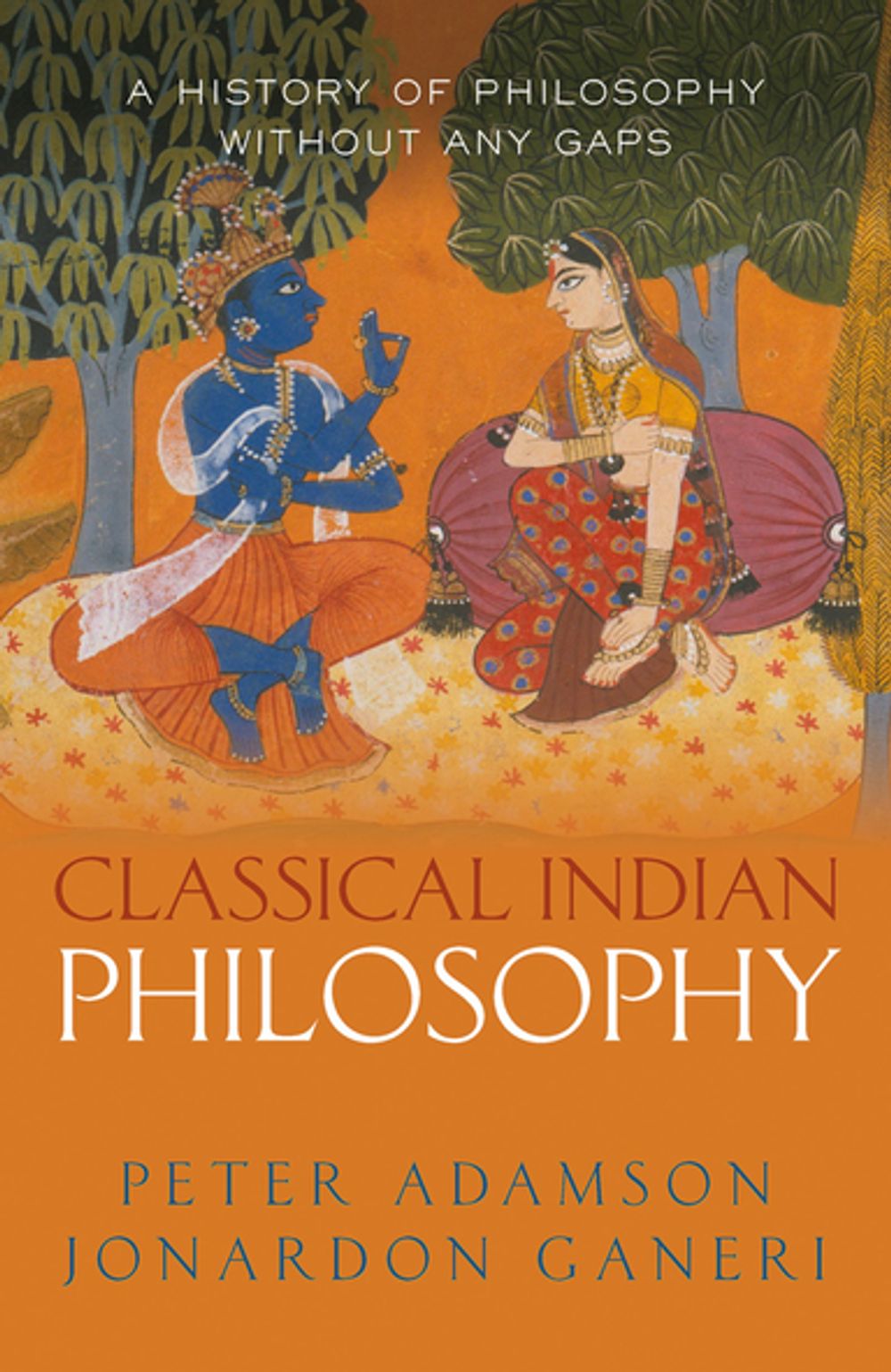


Peter Adamson and Jonardon Ganeri present a lively introduction to one of the world's richest intellectual traditions: the philosophy of classical India. They begin with the earliest extant literature, the Vedas, and the explanatory works that these inspired, known as Upani?ads. They also discuss other famous texts of classical Vedic culture, especially the Mahabharata and its most notable section, the Bhagavad-Gita, alongside the rise of Buddhism and Jainism. In this opening section, Adamson and Ganeri emphasize the way that philosophy was practiced as a form of life in search of liberation from suffering. Next, the pair move on to the explosion of philosophical speculation devoted to foundational texts called 'sutras,' discussing such traditions as the logical and epistemological Nyaya school, the monism of Advaita Vedanta, and the spiritual discipline of Yoga. In the final section of the book, they chart further developments within Buddhism, highlighting Nagarjuna's radical critique of 'non-dependent' concepts and the no-self philosophy of mind found in authors like Dignaga, and within Jainism, focusing especially on its 'standpoint' epistemology. Unlike other introductions that cover the main schools and positions in classical Indian philosophy, Adamson and Ganeri's lively guide also pays attention to philosophical themes such as non-violence, political authority, and the status of women, while considering textual traditions typically left out of overviews of Indian thought, like the Carvaka school, Tantra, and aesthetic theory as well. Adamson and Ganeri conclude by focusing on the much-debated question of whether Indian philosophy may have influenced ancient Greek philosophy and, from there, evaluate the impact that this area of philosophy had on later Western thought.
-
Autore:
-
Anno edizione:2020
-
Editore:
-
Formato:
-
Lingua:Inglese
Compatibilità:
Tutti i dispositivi (eccetto Kindle) Scopri di più
Layout:
Reflowable
EAN:
9780192592675

Formato:
Gli eBook venduti da Feltrinelli.it sono in formato ePub e possono essere protetti da Adobe DRM. In caso di download di un file protetto da DRM si otterrà un file in formato .acs, (Adobe Content Server Message), che dovrà essere aperto tramite Adobe Digital Editions e autorizzato tramite un account Adobe, prima di poter essere letto su pc o trasferito su dispositivi compatibili.
Cloud:
Gli eBook venduti da Feltrinelli.it sono sincronizzati automaticamente su tutti i client di lettura Kobo successivamente all’acquisto. Grazie al Cloud Kobo i progressi di lettura, le note, le evidenziazioni vengono salvati e sincronizzati automaticamente su tutti i dispositivi e le APP di lettura Kobo utilizzati per la lettura.
Clicca qui per sapere come scaricare gli ebook utilizzando un pc con sistema operativo Windows
