









EBOOK IN LINGUA STRANIERA





Comparative International Law

113,45 €
+1130
punti 
Venditore: Feltrinelli

Acquista online
Scaricabile subito
Articolo acquistabile con Carta del Docente

Articolo acquistabile con Carta Cultura Giovani e Carta del Merito

Articolo acquistabile con Carta della Cultura

Dati e Statistiche
 Salvato in 0 liste dei desideri
Salvato in 0 liste dei desideri
Comparative International Law
Scaricabile subito
113,45 €
113,45 €
Scaricabile subito
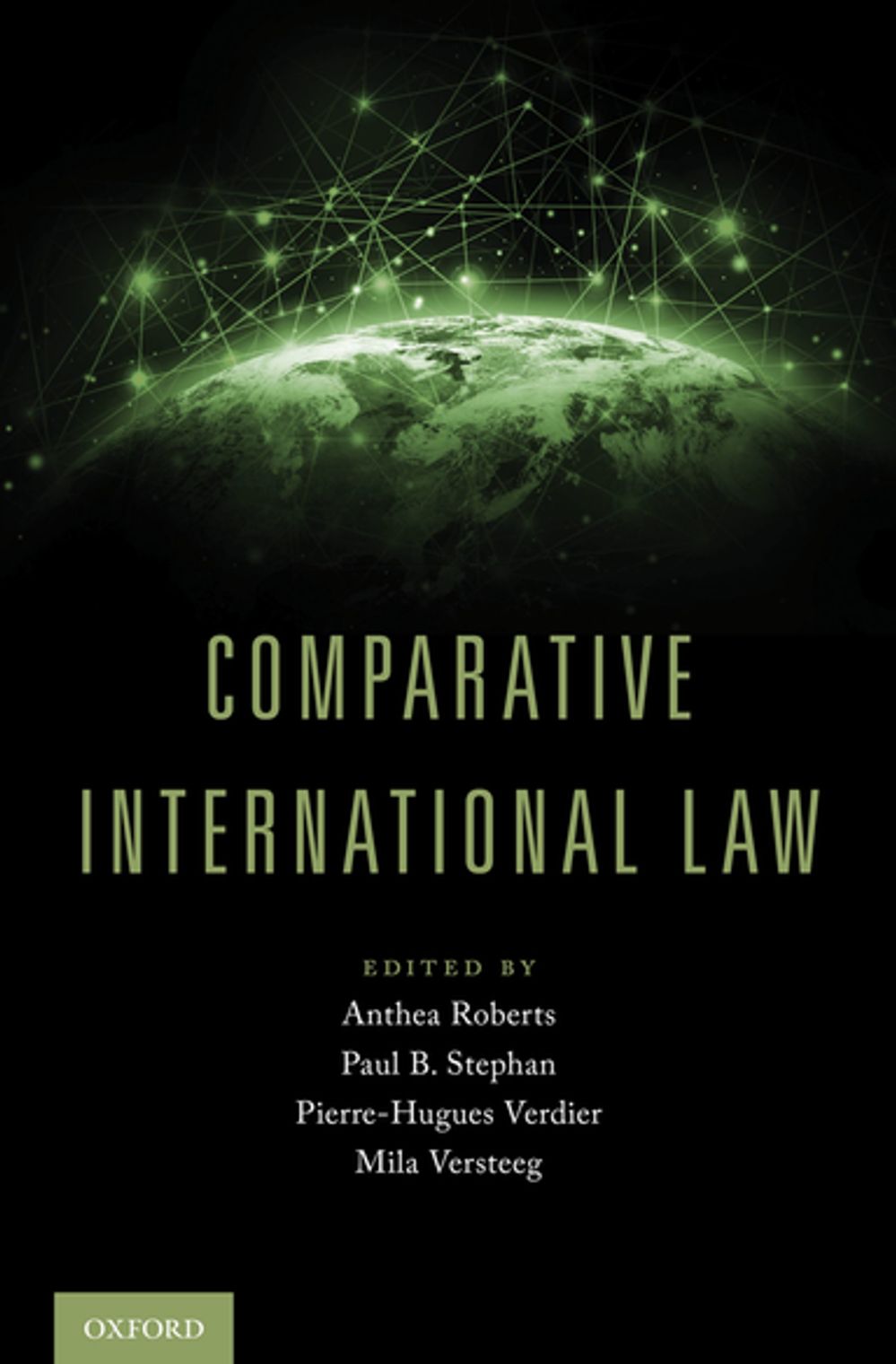


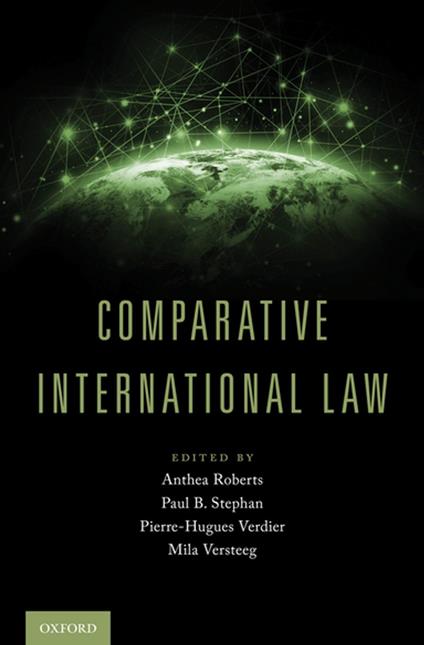
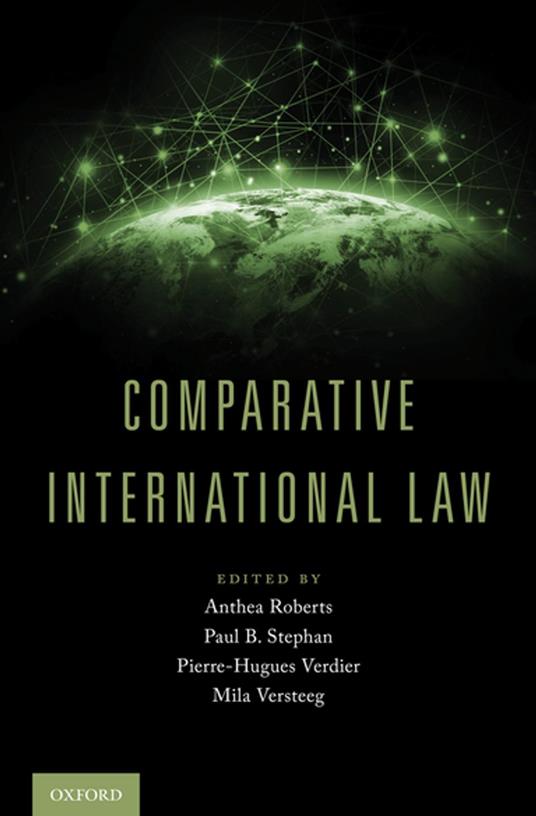
By definition, international law, once agreed upon and consented to, applies to all parties equally. It is perhaps the one area of law where cross-country comparison seems inappropriate, because all parties are governed by the same rules. However, as this book explains, states sometimes adhere to similar, and at other times, adopt different interpretations of the same international norms and standards. International legal rules are not a monolithic whole, but are the basis for ongoing contestation in which states set forth competing interpretations. International norms are interpreted and redefined by national executives, legislatures, and judiciaries. These varying and evolving interpretations can, in turn, change and impact the international rules themselves. These similarities and differences make for an important, but thus far, largely unexamined object of comparison. This is the premise for this book, and for what the editors call "comparative international law." This book achieves three objectives. The first is to show that international law is not a monolith. The second is to map the cross-country similarities and differences in international legal norms in different fields of international law, as well as their application and interpretation with regards to geographic differences. The third is to make a first and preliminary attempt to explain these differences. It is organized into three broad thematic sections, exploring: conceptual matters, domestic institutions and comparative international law, and comparing approaches across issue-areas. The chapters are authored by contributors who include leading international law and comparative law scholars with diverse backgrounds, experience, and perspectives.
-
Curatore:
-
Anno edizione:2017
-
Editore:
-
Formato:
Lingua:
Inglese
Compatibilità:
Tutti i dispositivi (eccetto Kindle) Scopri di più
Layout:
Reflowable
EAN:
9780190697594

Formato:
Gli eBook venduti da Feltrinelli.it sono in formato ePub e possono essere protetti da Adobe DRM. In caso di download di un file protetto da DRM si otterrà un file in formato .acs, (Adobe Content Server Message), che dovrà essere aperto tramite Adobe Digital Editions e autorizzato tramite un account Adobe, prima di poter essere letto su pc o trasferito su dispositivi compatibili.
Cloud:
Gli eBook venduti da Feltrinelli.it sono sincronizzati automaticamente su tutti i client di lettura Kobo successivamente all’acquisto. Grazie al Cloud Kobo i progressi di lettura, le note, le evidenziazioni vengono salvati e sincronizzati automaticamente su tutti i dispositivi e le APP di lettura Kobo utilizzati per la lettura.
Clicca qui per sapere come scaricare gli ebook utilizzando un pc con sistema operativo Windows
