









EBOOK IN LINGUA STRANIERA





Compatible Solutes Engineering for Crop Plants Facing Climate Change

149,75 €
+1500
punti 
Venditore: Feltrinelli

Acquista online
Scaricabile subito
Articolo acquistabile con Carta del Docente

Articolo acquistabile con Carta Cultura Giovani e Carta del Merito

Articolo acquistabile con Carta della Cultura

Dati e Statistiche
 Salvato in 0 liste dei desideri
Salvato in 0 liste dei desideri
Compatible Solutes Engineering for Crop Plants Facing Climate Change
Scaricabile subito
149,75 €
149,75 €
Scaricabile subito
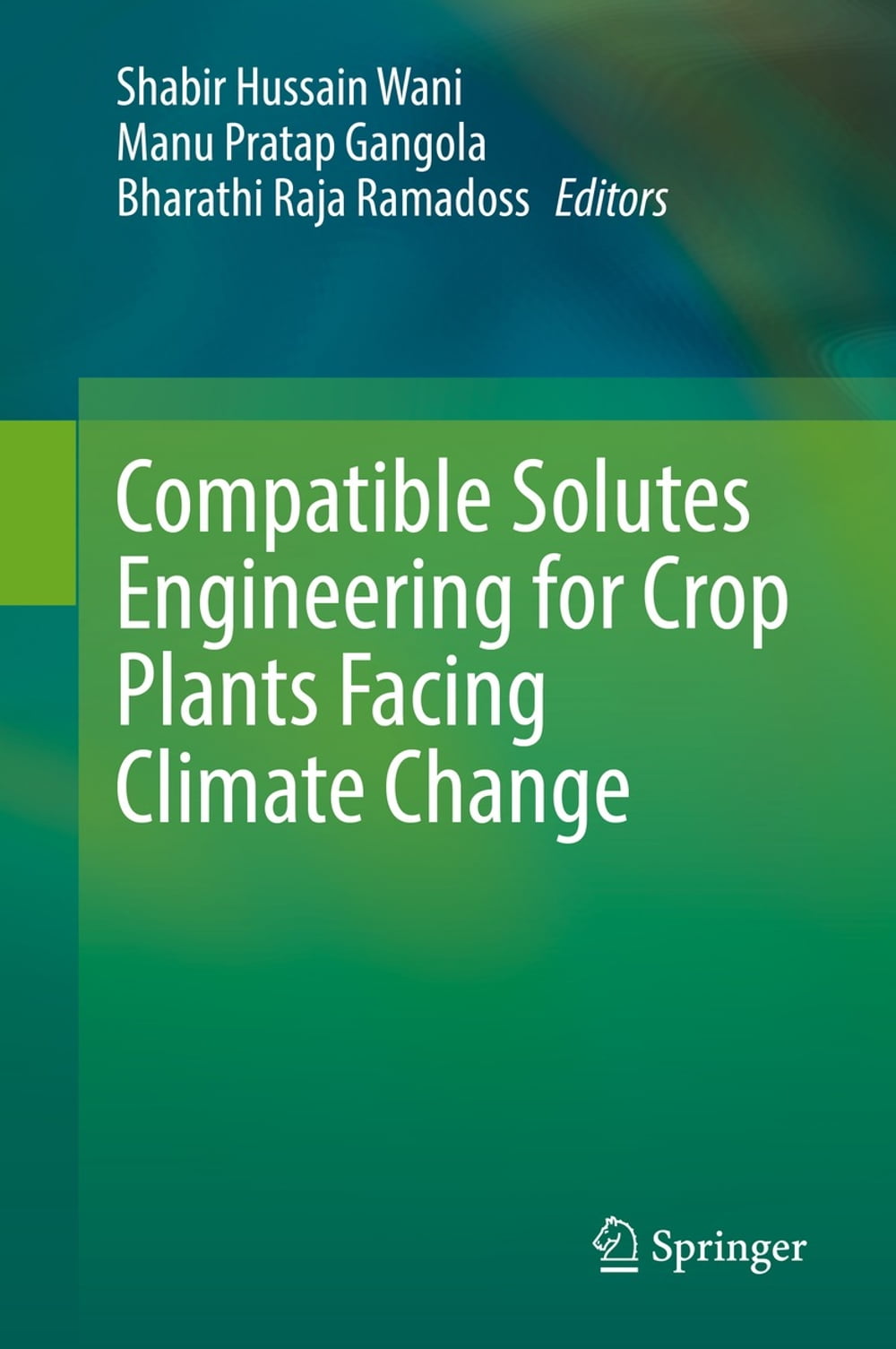


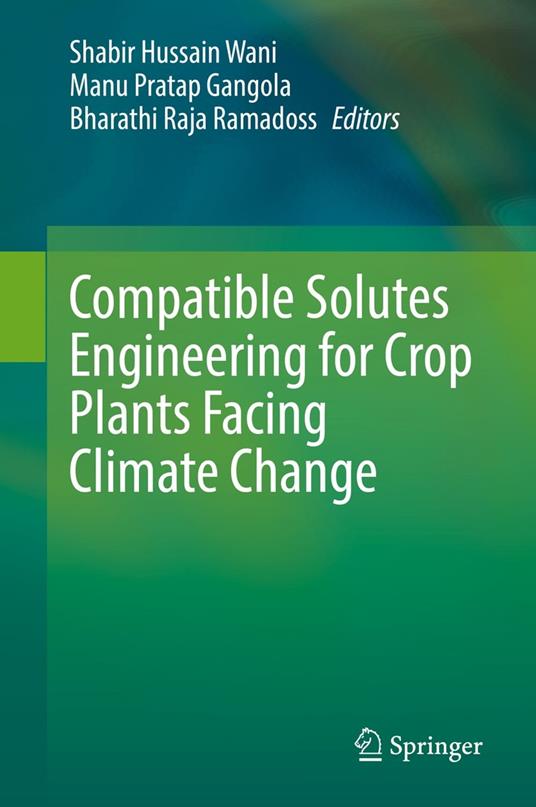
Plants, being sessile and autotrophic in nature, must cope with challenging environmental aberrations and therefore have evolved various responsive or defensive mechanisms including stress sensing mechanisms, antioxidant system, signaling pathways, secondary metabolites biosynthesis, and other defensive pathways among which accumulation of osmolytes or osmo-protectants is an important phenomenon. Osmolytes with organic chemical nature termed as compatible solutes are highly soluble compounds with no net charge at physiological pH and nontoxic at higher concentrations to plant cells. Compatible solutes in plants involve compounds like proline, glycine betaine, polyamines, trehalose, raffinose family oligosaccharides, fructans, gamma aminobutyric acid (GABA), and sugar alcohols playing structural, physiological, biochemical, and signaling roles during normal plant growth and development. The current and sustaining problems of climate change and increasing world population has challenged global food security. To feed more than 9 billion, the estimated population by 2050, the yield of major crops needs to be increased 1.1–1.3% per year, which is mainly restricted by the yield ceiling. A major factor limiting the crop yield is the changing global environmental conditions which includes drought, salinity and extreme temperatures and are responsible for a reduction of crop yield in almost all the crop plants. This condition may worsen with a decrease in agricultural land or the loss of potential crop yields by 70%. Therefore, it is a challenging task for agricultural scientists to develop tolerant/resistant varieties against abiotic stresses. The development of stress tolerant plant varieties through conventional breeding is very slow due to complex multigene traits. Engineering compatible solutes biosynthesis by deciphering the mechanism behind the abiotic tolerance or accumulation in plants cell is a potential emerging strategy to mitigate adverse effects of abiotic stresses and increase global crop production. However, detailed information on compatible solutes, including their sensing/signaling, biosynthesis, regulatory components, underlying biochemical mechanisms, crosstalk with other signaling pathways, and transgenic development have not been compiled into a single resource. Our book intends to fill this unmet need, with insight from recent advances in compatible solutes research on agriculturally important crop plants.
-
Curatore:
-
Anno edizione:2021
-
Editore:
-
Formato:
Lingua:
Inglese
Compatibilità:
Tutti i dispositivi (eccetto Kindle) Scopri di più
Layout:
Reflowable
EAN:
9783030806743

Formato:
Gli eBook venduti da Feltrinelli.it sono in formato ePub e possono essere protetti da Adobe DRM. In caso di download di un file protetto da DRM si otterrà un file in formato .acs, (Adobe Content Server Message), che dovrà essere aperto tramite Adobe Digital Editions e autorizzato tramite un account Adobe, prima di poter essere letto su pc o trasferito su dispositivi compatibili.
Cloud:
Gli eBook venduti da Feltrinelli.it sono sincronizzati automaticamente su tutti i client di lettura Kobo successivamente all’acquisto. Grazie al Cloud Kobo i progressi di lettura, le note, le evidenziazioni vengono salvati e sincronizzati automaticamente su tutti i dispositivi e le APP di lettura Kobo utilizzati per la lettura.
Clicca qui per sapere come scaricare gli ebook utilizzando un pc con sistema operativo Windows
