









EBOOK IN LINGUA STRANIERA





Conversational Artificial Intelligence

249,99 €
+2500
punti 
Venditore: Feltrinelli

Acquista online
Scaricabile subito
Articolo acquistabile con Carta del Docente

Articolo acquistabile con Carta Cultura Giovani e Carta del Merito

Articolo acquistabile con Carta della Cultura

Dati e Statistiche
 Salvato in 0 liste dei desideri
Salvato in 0 liste dei desideri
Conversational Artificial Intelligence
Scaricabile subito
249,99 €
249,99 €
Scaricabile subito

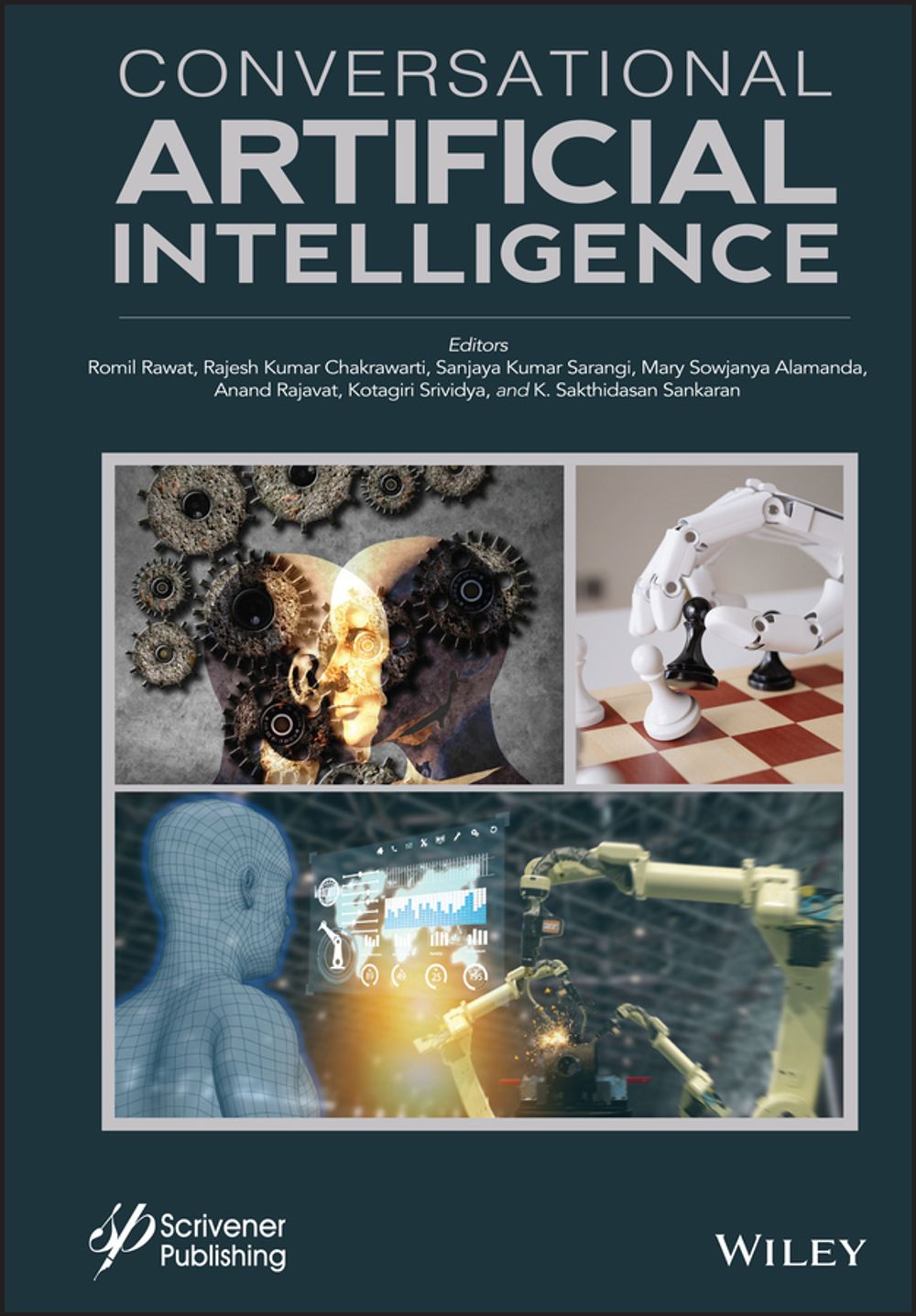


This book reviews present state-of-the-art research related to the security of cloud computing including developments in conversational AI applications. It is particularly suited for those that bridge the academic world and industry, allowing readers to understand the security concerns in advanced security solutions for conversational AI in the cloud platform domain by reviewing present and evolving security solutions, their limitations, and future research directions. Conversational AI combines natural language processing (NLP) with traditional software like chatbots, voice assistants, or an interactive voice recognition system to help customers through either a spoken or typed interface. Conversational chatbots that respond to questions promptly and accurately to help customers are a fascinating development since they make the customer service industry somewhat self-sufficient. A well-automated chatbot can decimate staffing needs, but creating one is a time-consuming process. Voice recognition technologies are becoming more critical as AI assistants like Alexa become more popular. Chatbots in the corporate world have advanced technical connections with clients thanks to improvements in artificial intelligence. However, these chatbots’ increased access to sensitive information has raised serious security concerns. Threats are one-time events such as malware and DDOS (Distributed Denial of Service) assaults. Targeted strikes on companies are familiar and frequently lock workers out. User privacy violations are becoming more common, emphasizing the dangers of employing chatbots. Vulnerabilities are systemic problems that enable thieves to break in. Vulnerabilities allow threats to enter the system, hence they are inextricably linked. Malicious chatbots are widely used to spam and advertise in chat rooms by imitating human behavior and discussions, or to trick individuals into disclosing personal information like bank account details. Malicious chatbots are widely used to spam and advertise in chat rooms by imitating human behavior and discussions, or to trick individuals into disclosing personal information like bank account details.
-
Curatore:
-
Anno edizione:2024
-
Editore:
-
Formato:
Lingua:
Inglese
Compatibilità:
Tutti i dispositivi (eccetto Kindle) Scopri di più
Layout:
Reflowable
EAN:
9781394200788

Formato:
Gli eBook venduti da Feltrinelli.it sono in formato ePub e possono essere protetti da Adobe DRM. In caso di download di un file protetto da DRM si otterrà un file in formato .acs, (Adobe Content Server Message), che dovrà essere aperto tramite Adobe Digital Editions e autorizzato tramite un account Adobe, prima di poter essere letto su pc o trasferito su dispositivi compatibili.
Cloud:
Gli eBook venduti da Feltrinelli.it sono sincronizzati automaticamente su tutti i client di lettura Kobo successivamente all’acquisto. Grazie al Cloud Kobo i progressi di lettura, le note, le evidenziazioni vengono salvati e sincronizzati automaticamente su tutti i dispositivi e le APP di lettura Kobo utilizzati per la lettura.
Clicca qui per sapere come scaricare gli ebook utilizzando un pc con sistema operativo Windows
