










EBOOK IN LINGUA STRANIERA





Crisis and Continuity in Revolutionary Industrial Strategy

4,49 €
+40
punti 
Venditore: Feltrinelli

Acquista online
Scaricabile subito
Articolo acquistabile con Carta del Docente

Articolo acquistabile con Carta Cultura Giovani e Carta del Merito

Articolo acquistabile con Carta della Cultura

Abbonati a Kobo plus per avere accesso illimitato a questo contenuto

Dati e Statistiche
 Salvato in 0 liste dei desideri
Salvato in 0 liste dei desideri
Crisis and Continuity in Revolutionary Industrial Strategy
Scaricabile subito
4,49 €
4,49 €
Scaricabile subito

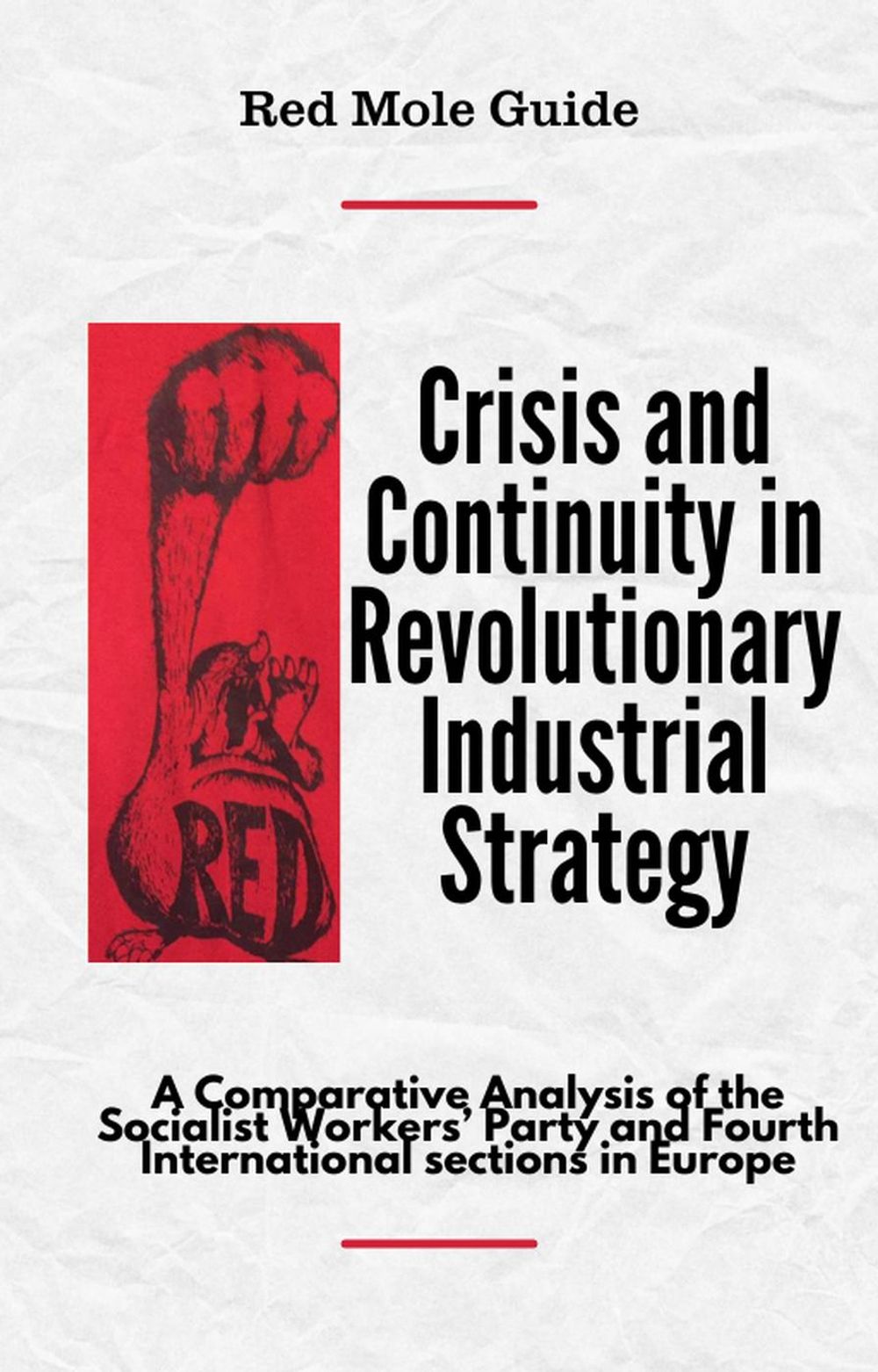



The British Socialist Workers Party once commanded real industrial power. In 1972, SWP members coordinated flying pickets during the miners' strike and ran workplace papers across engineering, education, and the docks. Over 300,000 shop stewards operated with genuine autonomy from the union bureaucracy, and the IS tradition provided the political glue binding militant sections together. They didn't just theorize rank-and-file organization; they built it. Then came Tony Cliff's "downturn" theory in 1979. What began as tactical realism hardened into permanent retreat—worse, an accommodation with the very bureaucracy the party had pledged to challenge. By the 2020s, the SWP's "industrial strategy" had migrated from the shop floor to National Executive Committee elections, from building workplace power to brokering deals within "Broad Left" slates. The rhetoric stayed radical; the practice resembled pressure-group lobbying. This comparative analysis asks the question the SWP avoids: why have sections of the Fourth International in Italy, Spain, and France maintained genuine workplace implantation while the SWP retreated into bureaucratic maneuverism? The contrast is damning. When dockers in Genoa refused to load ships bound for Israel during the 2024–25 "Block Everything" strikes, that was logistical power used for political ends—workers leveraging their position in the supply chain to halt arms shipments and force the Meloni government into concessions. When Anticapitalistas militants in Barcelona shut down the Metro during the 2020 women's strike, that was years of patient CGT work bearing fruit. And the French NPA? Its members led refinery and rail walkouts during the 2023 pension reform struggle, while British comrades wrote supportive articles in Socialist Worker. The document traces the theoretical roots of this divergence. Ernest Mandel understood the trade union bureaucracy as a structural product of capitalism's division of labour, not just individual sellouts. His framework encourages engaging broad formations while maintaining revolutionary independence; it treats the "dialectic" of working within reformist structures as essential for reaching workers en masse. The Cliffite tradition, by contrast, posited a rigid "faultline" between rank-and-file and bureaucracy—one that, paradoxically, justified abandoning workplace work once the downturn hit. Evidence appears in detailed tables: SWP membership concentrated in professionalized public-sector unions, Fourth International sections implanted in logistics, transport, and healthcare. NEC positions won and lost. Strike waves intervened in—or merely commented upon. The 2022–23 UK strike wave exposed the poverty of the SWP approach: heavy coverage, endless calls for "more action," but little coordination from below. The 2024–25 Birmingham bin strike warranted solidarity coverage, but where was the cross-workplace organizing that once defined the IS tradition? This is not academic history. These questions matter to anyone serious about rebuilding revolutionary organization in the unions. Can workplace power be rebuilt amid bureaucratic consolidation? What distinguishes genuine rank-and-file strategy from its rhetorical ghost? How did Italian base unions win concrete gains that eluded their British counterparts with ten times the membership? The answers require confronting forty years of Cliffite industrial practice. For activists navigating today's contradictions—from UCU Left to PCS Democracy Alliance and Unite Left—this analysis offers strategic insights the far left's own publications rarely provide.
-
Autore:
-
Anno edizione:2026
-
Editore:
-
Formato:
-
Lingua:Inglese
Compatibilità:
Tutti i dispositivi (eccetto Kindle) Scopri di più
Layout:
Reflowable
EAN:
9798233217036

Formato:
Gli eBook venduti da Feltrinelli.it sono in formato ePub e possono essere protetti da Adobe DRM. In caso di download di un file protetto da DRM si otterrà un file in formato .acs, (Adobe Content Server Message), che dovrà essere aperto tramite Adobe Digital Editions e autorizzato tramite un account Adobe, prima di poter essere letto su pc o trasferito su dispositivi compatibili.
Cloud:
Gli eBook venduti da Feltrinelli.it sono sincronizzati automaticamente su tutti i client di lettura Kobo successivamente all’acquisto. Grazie al Cloud Kobo i progressi di lettura, le note, le evidenziazioni vengono salvati e sincronizzati automaticamente su tutti i dispositivi e le APP di lettura Kobo utilizzati per la lettura.
Clicca qui per sapere come scaricare gli ebook utilizzando un pc con sistema operativo Windows
