










LIBRO INGLESE





'The Damned Fraternitie': Constructing Gypsy Identity in Early Modern England, 1500–1700

76,30 €
+760
punti 
Venditore: Feltrinelli
Articolo acquistabile con Carta del Docente

Articolo acquistabile con Carta Cultura Giovani e Carta del Merito

Articolo acquistabile con Carta della Cultura

Paga con Klarna in 3 rate senza interessi per ordini superiori a 39 €

Dati e Statistiche
 Salvato in 0 liste dei desideri
Salvato in 0 liste dei desideri
'The Damned Fraternitie': Constructing Gypsy Identity in Early Modern England, 1500–1700
Disponibilità in 2 settimane
76,30 €
76,30 €
Disponibilità in 2 settimane




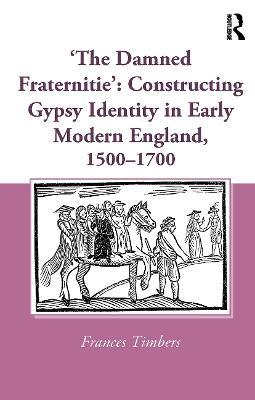
'The Damned Fraternitie': Constructing Gypsy Identity in Early Modern England, 1500–1700 examines the construction of gypsy identity in England between the early sixteenth century and the end of the seventeenth century. Drawing upon previous historiography, a wealth of printed primary sources (including government documents, pamphlets, rogue literature, and plays), and archival material (quarter sessions and assize cases, parish records and constables's accounts), the book argues that the construction of gypsy identity was part of a wider discourse concerning the increasing vagabond population, and was further informed by the religious reformations and political insecurities of the time. The developing narrative of a fraternity of dangerous vagrants resulted in the gypsy population being designated as a special category of rogues and vagabonds by both the state and popular culture. The alleged Egyptian origin of the group and the practice of fortune-telling by palmistry contributed elements of the exotic, which contributed to the concept of the mysterious alien. However, as this book reveals, a close examination of the first gypsies that are known by name shows that they were more likely Scottish and English vagrants, employing the ambiguous and mysterious reputation of the newly emerging category of gypsy. This challenges the theory that sixteenth-century gypsies were migrants from India and/or early predecessors to the later Roma population, as proposed by nineteenth-century gypsiologists. The book argues that the fluid identity of gypsies, whose origins and ethnicity were (and still are) ambiguous, allowed for the group to become a prime candidate for the 'other', thus a useful tool for reinforcing the parameters of orthodox social behaviour.
-
Autore:
-
Editore:
-
Anno:2022
-
Rilegatura:Paperback / softback
-
Pagine:208 p.
Testo in English
Dimensioni:
234 x 156 mm
Peso:
453 gr.
EAN:
9781032402536

Informazioni e Contatti sulla Sicurezza dei Prodotti
Le schede prodotto sono aggiornate in conformità al Regolamento UE 988/2023. Laddove ci fossero taluni dati non disponibili per ragioni indipendenti da Feltrinelli, vi informiamo che stiamo compiendo ogni ragionevole sforzo per inserirli. Vi invitiamo a controllare periodicamente il sito www.lafeltrinelli.it per eventuali novità e aggiornamenti.
Per le vendite di prodotti da terze parti, ciascun venditore si assume la piena e diretta responsabilità per la commercializzazione del prodotto e per la sua conformità al Regolamento UE 988/2023, nonché alle normative nazionali ed europee vigenti.
Per informazioni sulla sicurezza dei prodotti, contattare productsafety@feltrinelli.it
