









EBOOK IN LINGUA STRANIERA





Dangerous Art

67,49 €
+670
punti 
Venditore: Feltrinelli

Acquista online
Scaricabile subito
Articolo acquistabile con Carta del Docente

Articolo acquistabile con Carta Cultura Giovani e Carta del Merito

Articolo acquistabile con Carta della Cultura

Dati e Statistiche
 Salvato in 0 liste dei desideri
Salvato in 0 liste dei desideri
Dangerous Art
Scaricabile subito
67,49 €
67,49 €
Scaricabile subito
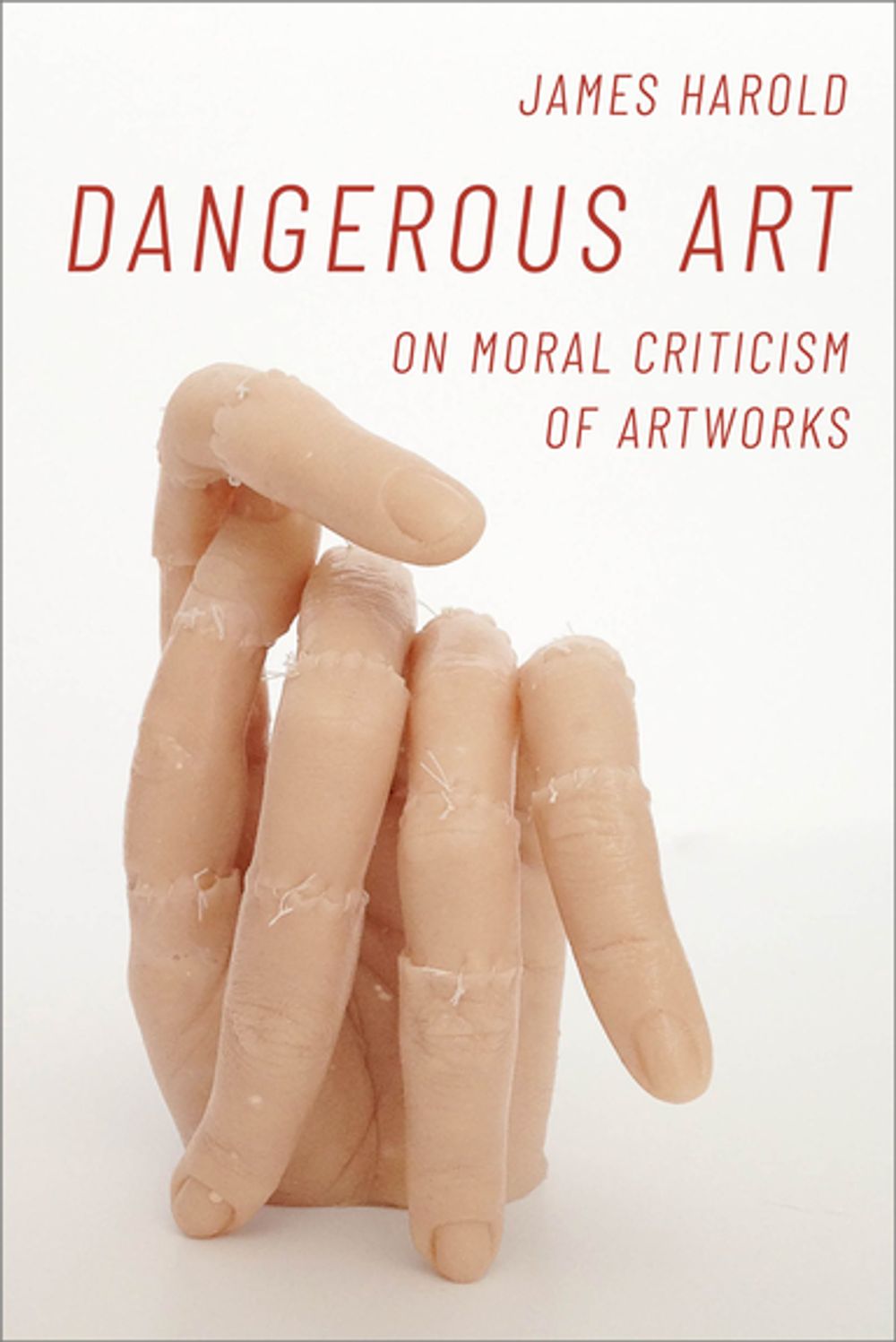


Dangerous Art takes up the problem of judging works of art using moral standards. When we think that a work is racist, or morally dangerous, what do we mean? James Harold approaches the topic from two angles. First, he takes up the moral question on its own. What could it mean to say that a work of art (rather than, say, a human being) is immoral? He then steps back and examines how moral evaluation fits into the larger task of evaluating artworks. If an artwork is immoral, what does that tell us about how to value the artwork? By tackling the issue from both sides, Harold demonstrates how many of the reasons previously given for thinking that works of art are immoral do not stand up to careful scrutiny. While many philosophers of art have simply assumed that artworks can be evaluated morally and proceeded as though such assessments were unproblematic, Harold highlights the complexities and difficulties inherent in such evaluations. He argues that even when works of art are rightly condemned from a moral point of view, the relationship between that moral flaw and their value as artworks is complex. He instead defends a moderate, skeptic version of autonomism between morality and aesthetics. Employing figures and ideas from ancient Greece, classical China, and the Harlem Renaissance, as well as William Styron's novel The Confessions of Nat Turner, he argues that we cannot judge artworks in the same way that we judge people on moral grounds. In this sense, we can judge an artwork to be both wicked and beautiful; nothing requires us to judge an artwork more or less valuable aesthetically just because we judge it to be morally bad or good. Taking up complex issues at the intersection of art and ethics, Dangerous Art will appeal to philosophers and students interested in art, aesthetics, moral philosophy, and philosophy of mind.
-
Autore:
-
Anno edizione:2020
-
Editore:
-
Formato:
-
Lingua:Inglese
Compatibilità:
Tutti i dispositivi (eccetto Kindle) Scopri di più
Layout:
Reflowable
EAN:
9780197519783

Formato:
Gli eBook venduti da Feltrinelli.it sono in formato ePub e possono essere protetti da Adobe DRM. In caso di download di un file protetto da DRM si otterrà un file in formato .acs, (Adobe Content Server Message), che dovrà essere aperto tramite Adobe Digital Editions e autorizzato tramite un account Adobe, prima di poter essere letto su pc o trasferito su dispositivi compatibili.
Cloud:
Gli eBook venduti da Feltrinelli.it sono sincronizzati automaticamente su tutti i client di lettura Kobo successivamente all’acquisto. Grazie al Cloud Kobo i progressi di lettura, le note, le evidenziazioni vengono salvati e sincronizzati automaticamente su tutti i dispositivi e le APP di lettura Kobo utilizzati per la lettura.
Clicca qui per sapere come scaricare gli ebook utilizzando un pc con sistema operativo Windows
