









LIBRO INGLESE





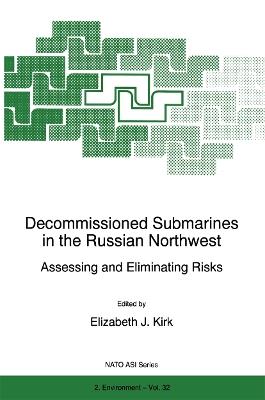
Decommissioned Submarines in the Russian Northwest: Assessing and Eliminating Risks

69,10 €
+690
punti 
Venditore: Feltrinelli
Articolo acquistabile con Carta del Docente

Articolo acquistabile con Carta Cultura Giovani e Carta del Merito

Articolo acquistabile con Carta della Cultura

Paga con Klarna in 3 rate senza interessi per ordini superiori a 39 €

Dati e Statistiche
 Salvato in 0 liste dei desideri
Salvato in 0 liste dei desideri
Decommissioned Submarines in the Russian Northwest: Assessing and Eliminating Risks
Disponibilità in 2 settimane
69,10 €
69,10 €
Disponibilità in 2 settimane



Until the late 1970s, most commercial power plant operators outside the United States adopted a spent fuel management policy of immediate reprocessing and recycling of recovered products. In response to rising reprocessing prices, decreasing values of re covered products, concerns over proliferation risks, and a belief in the favorable eco nomics of direct disposal, many utilities have since opted to store spent fuel on an in terim basis pending the availability of direct disposal facilities or a change in the eco nomic and/or political climate for reprocessing and recycling uranium and plutonium. Spent fuel has traditionally been stored in water-filled pools located in the reactor building or fuel handling buildings, on reactor sites, or as part of large centralized fa cilities (e.g. Sellafield, La Hague, CLAB). Because the economics of pool storage are dependent on the size of the facility, the construction of additional separate pools on reactor sites has only been pursued in a few countries, such as Finland and Bulgaria.

Informazioni e Contatti sulla Sicurezza dei Prodotti
Le schede prodotto sono aggiornate in conformità al Regolamento UE 988/2023. Laddove ci fossero taluni dati non disponibili per ragioni indipendenti da Feltrinelli, vi informiamo che stiamo compiendo ogni ragionevole sforzo per inserirli. Vi invitiamo a controllare periodicamente il sito www.lafeltrinelli.it per eventuali novità e aggiornamenti.
Per le vendite di prodotti da terze parti, ciascun venditore si assume la piena e diretta responsabilità per la commercializzazione del prodotto e per la sua conformità al Regolamento UE 988/2023, nonché alle normative nazionali ed europee vigenti.
Per informazioni sulla sicurezza dei prodotti, contattare productsafety@feltrinelli.it
