









EBOOK IN LINGUA STRANIERA





Designing for Inclusion

159,11 €
+1590
punti 
Venditore: Feltrinelli

Acquista online
Scaricabile subito
Articolo acquistabile con Carta del Docente

Articolo acquistabile con Carta Cultura Giovani e Carta del Merito

Articolo acquistabile con Carta della Cultura

Dati e Statistiche
 Salvato in 0 liste dei desideri
Salvato in 0 liste dei desideri
Designing for Inclusion
Scaricabile subito
159,11 €
159,11 €
Scaricabile subito
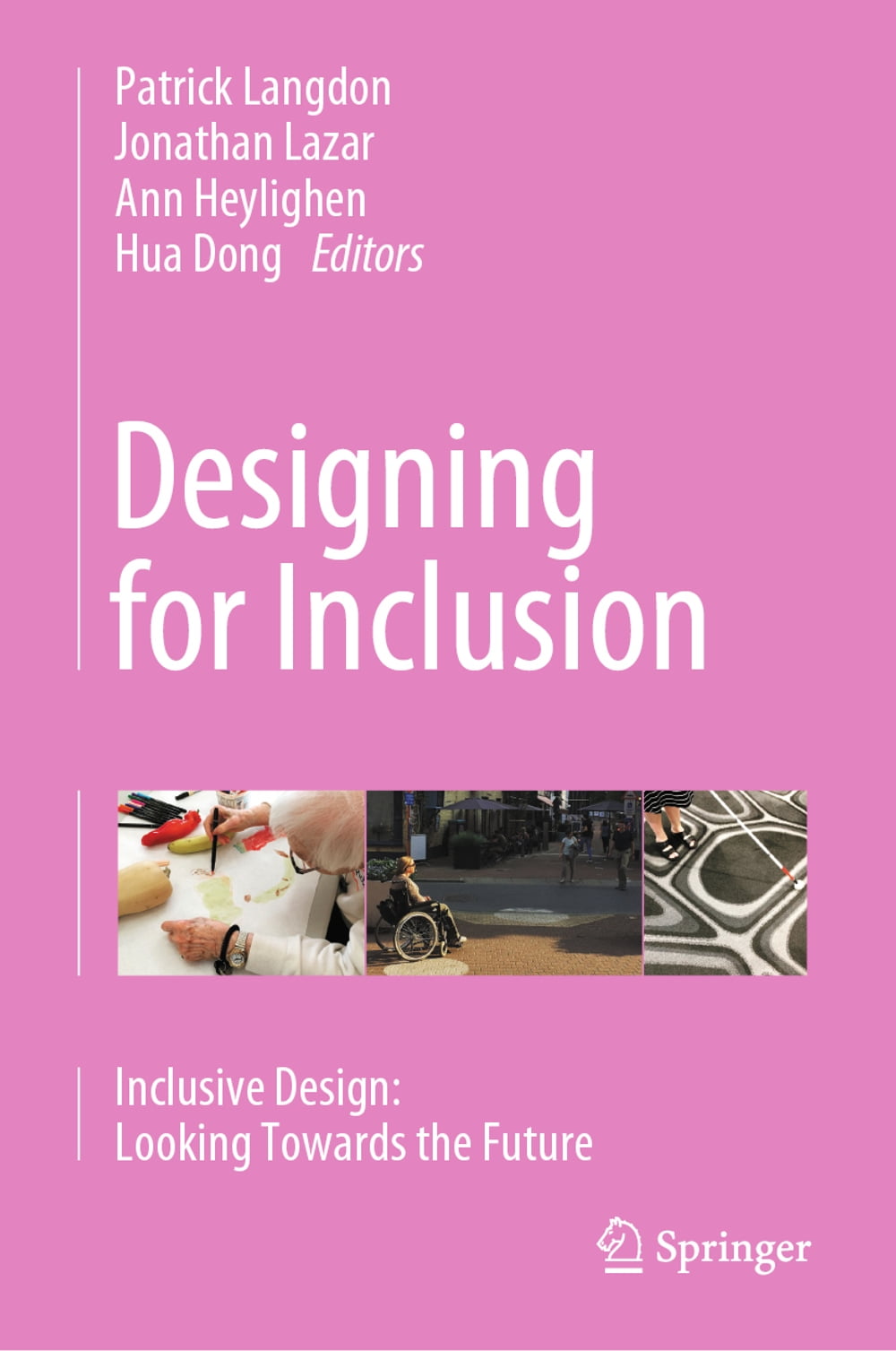


This proceedings book presents papers from the 10th Cambridge Workshops on Universal Access and Assistive Technology. The CWUAAT series of workshops have celebrated a long history of interdisciplinarity, including design disciplines, computer scientists, engineers, architects, ergonomists, ethnographers, ethicists, policymakers, practitioners, and user communities. This reflects the wider increasing realisation over the long duration of the series that design for inclusion is not limited to technology, engineering disciplines, and computer science but instead requires an interdisciplinary approach. The key to this is providing a platform upon which the different disciplines can engage and see each other’s antecedents, methods, and point of view. This proceedings book of the 10th CWUAAT conference presents papers in a variety of topics including Reconciling usability, accessibility, and inclusive design; Designing inclusive assistive and rehabilitationsystems; Designing cognitive interaction with emerging technologies; Designing inclusive architecture; Data mining and visualising inclusion; Legislation, standards, and policy in inclusive design; Situational inclusive interfaces; and The historical perspective: 20 years of CWUAAT. CWUAAT has always aimed to be inclusive in the fields that it invites to the workshop. We must include social science, psychologies, anthropologies, economists, politics, governance, and business. This requirement is now energised by imminent new challenges arising from techno-social change. In particular, artificial intelligence, wireless technologies, and the Internet of Things generate a pressing need for more socially integrated projects with operational consequences on individuals in the built environment and at all levels of design and society. Business cases and urgent environmental issues such as sustainability and transportation should now be a focus point for inclusion in an increasingly challenging world. This proceedings book continues the goal of designing for inclusion, as set out by the CWUAAT when it first started.
-
Curatore:
-
Anno edizione:2020
-
Editore:
-
Formato:
Lingua:
Inglese
Compatibilità:
Tutti i dispositivi (eccetto Kindle) Scopri di più
Layout:
Reflowable
EAN:
9783030438654

Formato:
Gli eBook venduti da Feltrinelli.it sono in formato ePub e possono essere protetti da Adobe DRM. In caso di download di un file protetto da DRM si otterrà un file in formato .acs, (Adobe Content Server Message), che dovrà essere aperto tramite Adobe Digital Editions e autorizzato tramite un account Adobe, prima di poter essere letto su pc o trasferito su dispositivi compatibili.
Cloud:
Gli eBook venduti da Feltrinelli.it sono sincronizzati automaticamente su tutti i client di lettura Kobo successivamente all’acquisto. Grazie al Cloud Kobo i progressi di lettura, le note, le evidenziazioni vengono salvati e sincronizzati automaticamente su tutti i dispositivi e le APP di lettura Kobo utilizzati per la lettura.
Clicca qui per sapere come scaricare gli ebook utilizzando un pc con sistema operativo Windows
