










EBOOK IN LINGUA STRANIERA





Disaster Risk Reduction and Rural Resilience

140,39 €
+1400
punti 
Venditore: Feltrinelli

Acquista online
Scaricabile subito
Articolo acquistabile con Carta del Docente

Articolo acquistabile con Carta Cultura Giovani e Carta del Merito

Articolo acquistabile con Carta della Cultura

Dati e Statistiche
 Salvato in 0 liste dei desideri
Salvato in 0 liste dei desideri
Disaster Risk Reduction and Rural Resilience
Scaricabile subito
140,39 €
140,39 €
Scaricabile subito

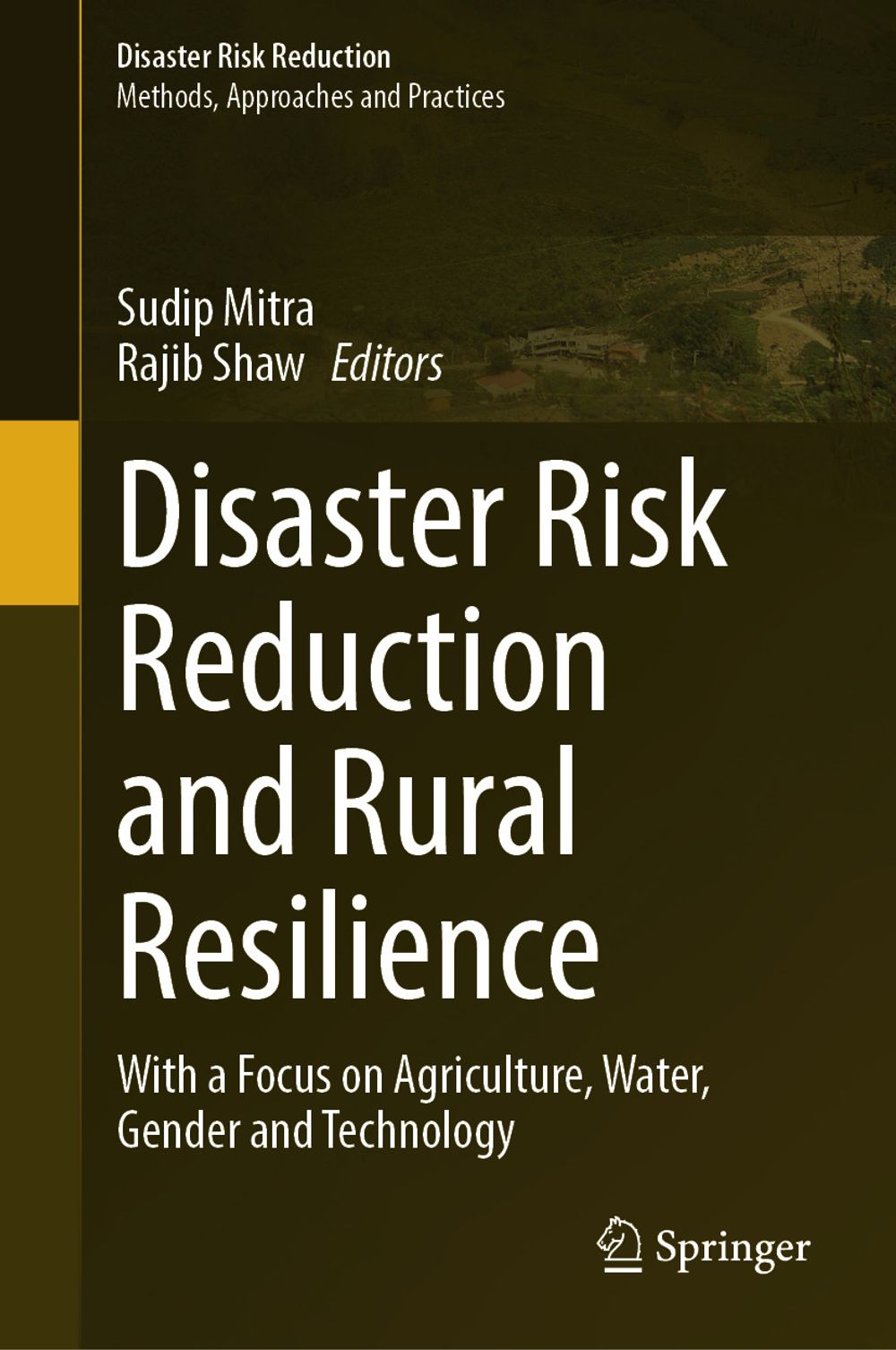



Even though frequent disaster losses occur in rural and agricultural areas, a substantial number of the prevailing disaster research has focused on urban areas, often failing to notice rural populations, communities, and rural development as a whole. It is critical to assess how the needs and vulnerabilities in rural communities impact the creation of resilience, especially in countries with a large area under rural regions. For disaster managers, rural areas present different opportunities and challenges from their urban counterparts. Rural communities’ position after a disaster is different from that of urban communities. Efficient DRR (disaster risk reduction) is the key to sustainable rural development. Disasters can cause human and animal life loss, field crops, stored seeds, agricultural equipment/materials, supply systems (e.g., infrastructure), livelihood, and associated indigenous knowledge. Such impacts have its short-term repercussions and affect the long-term sustainability of the rural sector. Rural regions of the developing world can be remote, with high concentrations of mass poverty, food insecurity, and illiteracy; hence access to food, shelter, and communication related to relief and recovery is a challenge after a disaster. In rural areas, farmers strongly rely on natural resources and have no alternative source of income or employment, making them more vulnerable to a crisis. Role of women in rural development and agricultural activities is of paramount importance. Yet they are the most affected ones during any disaster. Vulnerabilities of children and especially abled people in the rural sector are untouched areas that require more attention in days to come. This book deliberates on the aspects as mentioned above related to disaster risk reduction, preparedness, and management. Apart from the introduction, the book has four parts: (1) Food and Agriculture, (2) Water andSanitation, (3) Gender and Social Issues, and (4) Technology. Overall, this book is a valuable resource material for students, researchers, academia, policymakers, and development practitioners.
-
Curatore:
-
Anno edizione:2024
-
Editore:
-
Formato:
Lingua:
Inglese
Compatibilità:
Tutti i dispositivi (eccetto Kindle) Scopri di più
Layout:
Reflowable
EAN:
9789819766710

Formato:
Gli eBook venduti da Feltrinelli.it sono in formato ePub e possono essere protetti da Adobe DRM. In caso di download di un file protetto da DRM si otterrà un file in formato .acs, (Adobe Content Server Message), che dovrà essere aperto tramite Adobe Digital Editions e autorizzato tramite un account Adobe, prima di poter essere letto su pc o trasferito su dispositivi compatibili.
Cloud:
Gli eBook venduti da Feltrinelli.it sono sincronizzati automaticamente su tutti i client di lettura Kobo successivamente all’acquisto. Grazie al Cloud Kobo i progressi di lettura, le note, le evidenziazioni vengono salvati e sincronizzati automaticamente su tutti i dispositivi e le APP di lettura Kobo utilizzati per la lettura.
Clicca qui per sapere come scaricare gli ebook utilizzando un pc con sistema operativo Windows
