










EBOOK IN LINGUA STRANIERA





Exporting Chinese Architecture

131,03 €
+1310
punti 
Venditore: Feltrinelli

Acquista online
Scaricabile subito
Articolo acquistabile con Carta del Docente

Articolo acquistabile con Carta Cultura Giovani e Carta del Merito

Articolo acquistabile con Carta della Cultura

Dati e Statistiche
 Salvato in 0 liste dei desideri
Salvato in 0 liste dei desideri
Exporting Chinese Architecture
Scaricabile subito
131,03 €
131,03 €
Scaricabile subito

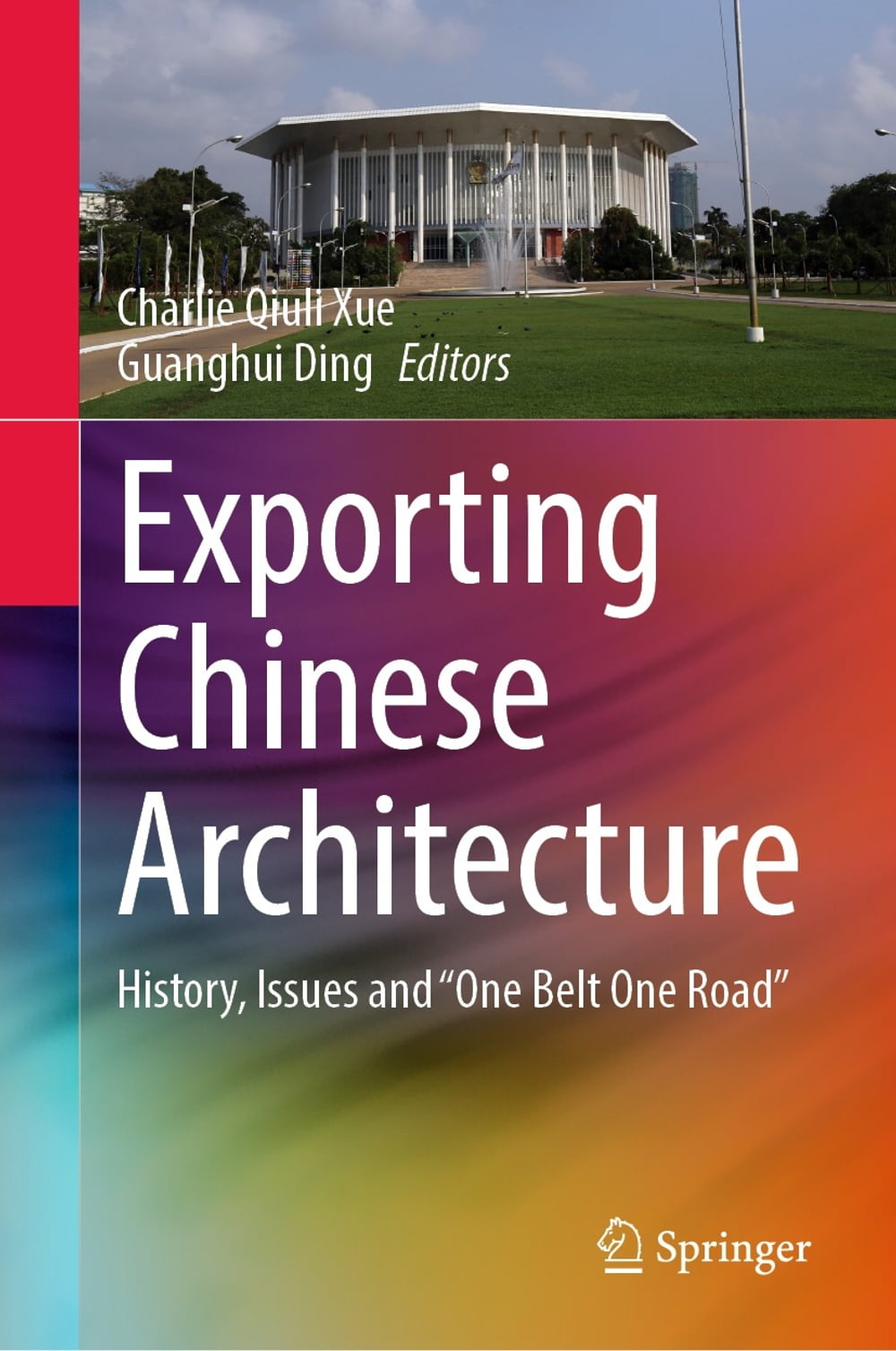



This book studies the unexplored history of China-aided architecture erected in the developing world since the 1950s. By 2019, over 1,000 buildings had been delivered to more than 160 countries, including parliament houses, convention centers, stadiums, gymnasiums, theaters, schools, hospitals, libraries, railways, and stations. These projects, which have played a significant role in promoting economic transformation, cultural engagement and social and environmental well-being, have largely been overlooked or misunderstood by the international community. Why did China donate so many foreign-aid buildings? How were these buildings built in the remote land of developing countries with intricate influences and limited resources? Have they helped modernize the recipient countries? The authors of this book use a wide range of representative projects built in different historic periods and geographical locations as case studies to address the above questions from various perspectives. This book fills an enormous gap in modern architecture in China and the world. It offers architectural students and scholars in various disciplines the necessary knowledge on "diplomatic architecture"; informs architects the appropriate methods of cross-border design and low-tech building; teaches government officials the best practice of donating and receiving foreign-aid buildings; and enhances public awareness of cultural diversity in Asia, Africa, Oceania, and Latin America. With abundant first-hand materials, historical pictures, and drawings, the book is a must-read for those who are interested in modern architecture and developmental aid in the world. China’s architecture abroad, notably in Africa and Asia, has been perceived with both fascination and anxiety. Based on a wealth of sources often difficult to access for scholars from outside China, this book links the history and present of China’s architectural mobilities in ways that will stimulate new debates in architectural history and urban studies. - Lukasz Stanek, Professor of Architectural History, The University of Manchester, UK
-
Curatore:
-
Anno edizione:2022
-
Editore:
-
Formato:
Lingua:
Inglese
Compatibilità:
Tutti i dispositivi (eccetto Kindle) Scopri di più
Layout:
Reflowable
EAN:
9789811927867

Formato:
Gli eBook venduti da Feltrinelli.it sono in formato ePub e possono essere protetti da Adobe DRM. In caso di download di un file protetto da DRM si otterrà un file in formato .acs, (Adobe Content Server Message), che dovrà essere aperto tramite Adobe Digital Editions e autorizzato tramite un account Adobe, prima di poter essere letto su pc o trasferito su dispositivi compatibili.
Cloud:
Gli eBook venduti da Feltrinelli.it sono sincronizzati automaticamente su tutti i client di lettura Kobo successivamente all’acquisto. Grazie al Cloud Kobo i progressi di lettura, le note, le evidenziazioni vengono salvati e sincronizzati automaticamente su tutti i dispositivi e le APP di lettura Kobo utilizzati per la lettura.
Clicca qui per sapere come scaricare gli ebook utilizzando un pc con sistema operativo Windows
