









AUDIOLIBRO IN LINGUA STRANIERA





Eye Movement Desensitization and Reprocessing (EMDR)

4,64 €
+50
punti 
Venditore: Feltrinelli

Acquista online
Disponibile su APP ed eReader Kobo
Articolo acquistabile con Carta del Docente

Articolo acquistabile con Carta Cultura Giovani e Carta del Merito

Articolo acquistabile con Carta della Cultura

Abbonati a Kobo plus per avere accesso illimitato a questo contenuto

Dati e Statistiche
 Salvato in 0 liste dei desideri
Salvato in 0 liste dei desideri
Eye Movement Desensitization and Reprocessing (EMDR)
Disponibile su APP ed eReader Kobo
4,64 €
4,64 €
Disponibile su APP ed eReader Kobo
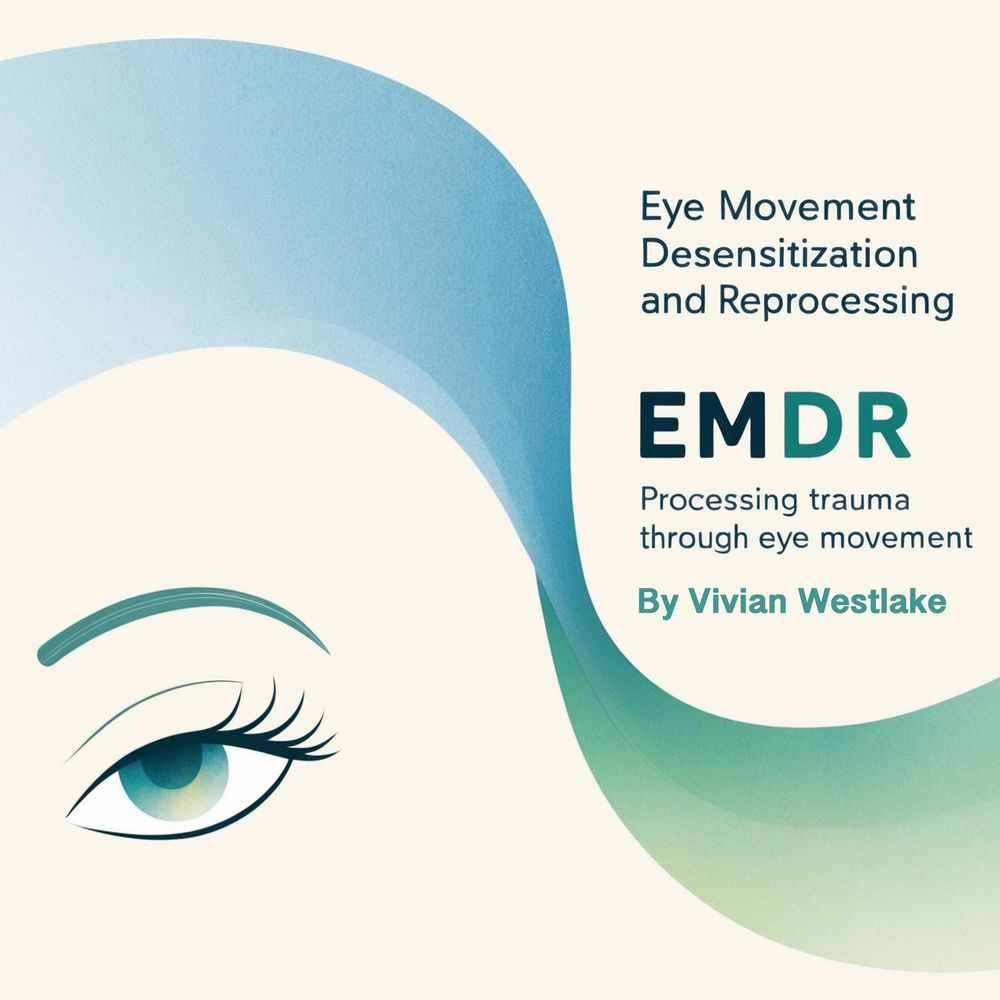


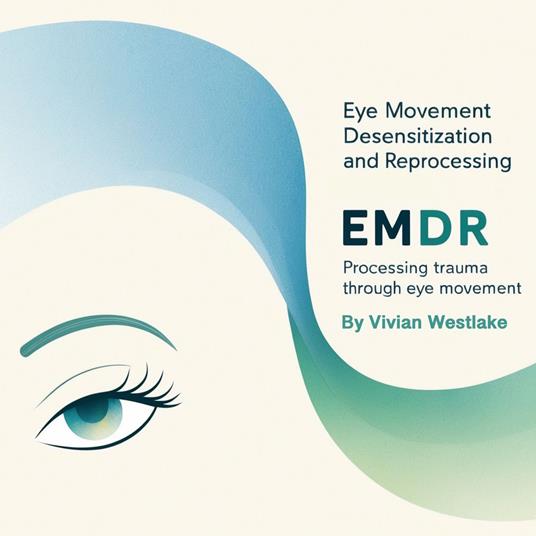
Eye Movement Desensitization and Reprocessing (EMDR) is a therapeutic approach that has garnered widespread recognition for its effectiveness in treating trauma, particularly post-traumatic stress disorder (PTSD). Developed by Francine Shapiro in the late 1980s, EMDR is founded on the concept that distressing memories can become “stuck” in the brain, leading to emotional and psychological difficulties. By using bilateral stimulation—usually in the form of guided eye movements—EMDR aims to facilitate the processing of these memories, enabling individuals to integrate them in a way that reduces emotional distress. At its core, EMDR is grounded in the understanding that trauma can impair the brain's natural processing abilities. When a traumatic event occurs, the brain’s memory systems may not fully encode the memory, leaving the experience fragmented and unresolved. As a result, individuals may experience intrusive thoughts, flashbacks, and heightened emotional responses associated with the unresolved trauma. EMDR aims to "unstick" these memories and allow the brain to reprocess them, turning them from vivid, emotionally charged experiences into less distressing memories that can be stored in a more adaptive manner. The key to EMDR's effectiveness lies in its use of bilateral stimulation. During the therapy session, the client follows the therapist’s fingers or another form of rhythmic bilateral stimulation (e.g., auditory tones or tactile taps) while focusing on distressing memories. This process is thought to mimic the natural mechanisms the brain uses during REM sleep, a stage associated with memory consolidation and emotional processing. By engaging both hemispheres of the brain in this way, EMDR helps clients process traumatic memories, alleviating their emotional charge and reducing their impact on daily life.
-
Autore:
-
Durata in (hh:mm:ss):02:29:55
-
Anno edizione:2025
-
Editore:
Lingua:
Inglese
EAN:
9798347966653

Formato:
Gli Audiolibri venduti dal nostro sito sono in formato MP3 e protetti da un DRM proprietario Kobo.
Compatibilità:
Gli Audiolibri venduti dal nostro sito possono essere ascoltati sul tuo smartphone o tablet tramite la APP gratuita Kobo Books scaricabile da iOS o Android. Gli Audiolibri non possono essere scaricati in locale o trasferiti su un client di ascolto diverso da quello fornito tramite Kobo. Non è possibile ascoltare gli audiolibri con la Kobo APP Desktop. Puoi ascoltare gli Audiolibri tramite determinati eReader Kobo, utilizzando cuffie o casse con Bluetooth. Visita la pagina degli eReader per avere maggiori dettagli.
Cloud:
Gli Audiolibri venduti singolarmente dal nostro sito sono immediatamente sincronizzati sul tuo account personale in automatico. Successivamente all'acquisto, sono subito disponibili all'ascolto tramite i client di lettura Kobo compatibili.
Clicca qui servissero ulteriori informazioni
