









EBOOK IN LINGUA STRANIERA





Flora's Empire

64,78 €
+650
punti 
Venditore: Feltrinelli

Acquista online
Scaricabile subito
Articolo acquistabile con Carta del Docente

Articolo acquistabile con Carta Cultura Giovani e Carta del Merito

Articolo acquistabile con Carta della Cultura

Dati e Statistiche
 Salvato in 0 liste dei desideri
Salvato in 0 liste dei desideri
Flora's Empire
Scaricabile subito
64,78 €
64,78 €
Scaricabile subito

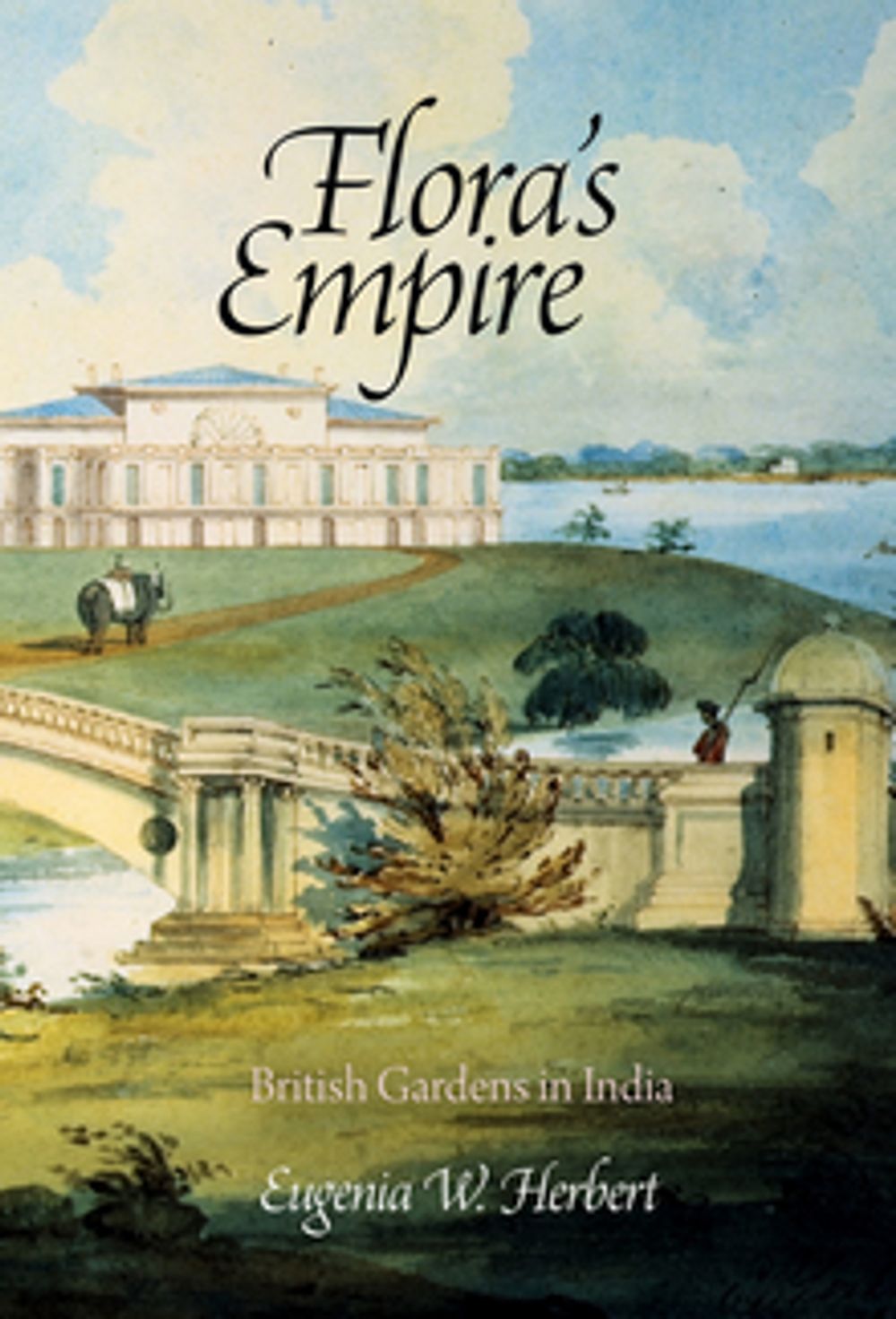


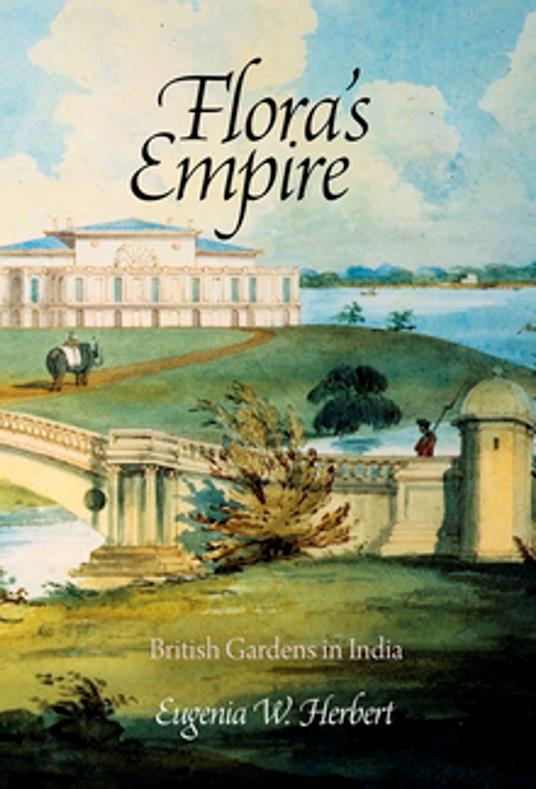
Like their penchant for clubs, cricket, and hunting, the planting of English gardens by the British in India reflected an understandable need on the part of expatriates to replicate home as much as possible in an alien environment. In Flora's Empire, Eugenia W. Herbert argues that more than simple nostalgia or homesickness lay at the root of this "garden imperialism," however. Drawing on a wealth of period illustrations and personal accounts, many of them little known, she traces the significance of gardens in the long history of British relations with the subcontinent. To British eyes, she demonstrates, India was an untamed land that needed the visible stamp of civilization that gardens in their many guises could convey. Colonial gardens changed over time, from the "garden houses" of eighteenth-century nabobs modeled on English country estates to the herbaceous borders, gravel walks, and well-trimmed lawns of Victorian civil servants. As the British extended their rule, they found that hill stations like Simla offered an ideal retreat from the unbearable heat of the plains and a place to coax English flowers into bloom. Furthermore, India was part of the global network of botanical exploration and collecting that gathered up the world's plants for transport to great imperial centers such as Kew. And it is through colonial gardens that one may track the evolution of imperial ideas of governance. Every Government House and Residency was carefully landscaped to reflect current ideals of an ordered society. At Independence in 1947 the British left behind a lasting legacy in their gardens, one still reflected in the design of parks and information technology campuses and in the horticultural practices of home gardeners who continue to send away to England for seeds.
-
Autore:
-
Anno edizione:2012
-
Editore:
-
Formato:
-
Lingua:Inglese
Compatibilità:
Tutti i dispositivi (eccetto Kindle) Scopri di più
Layout:
Reflowable
EAN:
9780812205053

Formato:
Gli eBook venduti da Feltrinelli.it sono in formato ePub e possono essere protetti da Adobe DRM. In caso di download di un file protetto da DRM si otterrà un file in formato .acs, (Adobe Content Server Message), che dovrà essere aperto tramite Adobe Digital Editions e autorizzato tramite un account Adobe, prima di poter essere letto su pc o trasferito su dispositivi compatibili.
Cloud:
Gli eBook venduti da Feltrinelli.it sono sincronizzati automaticamente su tutti i client di lettura Kobo successivamente all’acquisto. Grazie al Cloud Kobo i progressi di lettura, le note, le evidenziazioni vengono salvati e sincronizzati automaticamente su tutti i dispositivi e le APP di lettura Kobo utilizzati per la lettura.
Clicca qui per sapere come scaricare gli ebook utilizzando un pc con sistema operativo Windows
