









EBOOK IN LINGUA STRANIERA





Grhastha

107,21 €
+1070
punti 
Venditore: Feltrinelli

Acquista online
Scaricabile subito
Articolo acquistabile con Carta del Docente

Articolo acquistabile con Carta Cultura Giovani e Carta del Merito

Articolo acquistabile con Carta della Cultura

Dati e Statistiche
 Salvato in 0 liste dei desideri
Salvato in 0 liste dei desideri
Grhastha
Scaricabile subito
107,21 €
107,21 €
Scaricabile subito
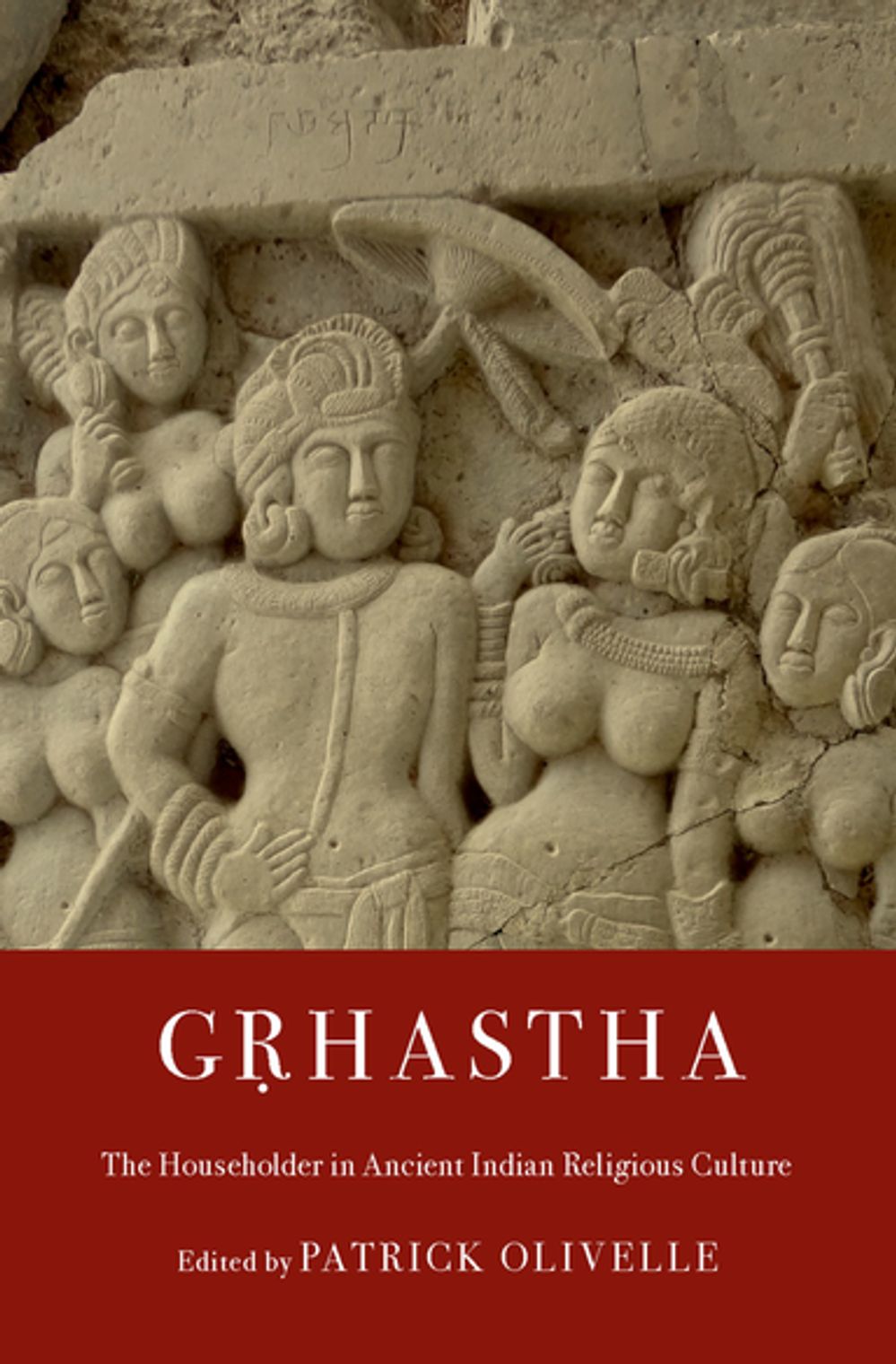


For scholars of ancient Indian religions, the wandering mendicants who left home and family for a celibate life and the search for liberation represent an enigma. The Vedic religion, centered on the married household, had no place for such a figure. Much has been written about the Indian ascetic but hardly any scholarly attention has been paid to the married householder with wife and children, generally referred to in Sanskrit as grhastha: "the stay-at-home." The institution of the householder is viewed implicitly as posing little historical problems with regard to its origin or meaning. This volume problematizes the figure of the householder within ancient Indian culture and religion. It shows that the term grhastha is a neologism and is understandable only in its opposition to the ascetic who goes away from home (pravrajita). Through a thorough and comprehensive analysis of a wide range of inscriptions and texts, ranging from the Vedas, Dharmasastras, Epics, and belle lettres to Buddhist and Jain texts and texts on governance and erotics, this volume analyses the meanings, functions, and roles of the householder from the earliest times unti about the fifth century CE. The central finding of these studies is that the householder bearing the name grhastha is not simply a married man with a family but someone dedicated to the same or similar goals as an ascetic while remaining at home and performing the economic and ritual duties incumbent on him. The grhastha is thus not a generic householder, for whom there are many other Sanskrit terms, but a religiously charged concept that is intended as a full-fledged and even superior alternative to the concept of a religious renouncer.
-
Curatore:
-
Anno edizione:2019
-
Editore:
-
Formato:
Lingua:
Inglese
Compatibilità:
Tutti i dispositivi (eccetto Kindle) Scopri di più
Layout:
Reflowable
EAN:
9780190696177

Formato:
Gli eBook venduti da Feltrinelli.it sono in formato ePub e possono essere protetti da Adobe DRM. In caso di download di un file protetto da DRM si otterrà un file in formato .acs, (Adobe Content Server Message), che dovrà essere aperto tramite Adobe Digital Editions e autorizzato tramite un account Adobe, prima di poter essere letto su pc o trasferito su dispositivi compatibili.
Cloud:
Gli eBook venduti da Feltrinelli.it sono sincronizzati automaticamente su tutti i client di lettura Kobo successivamente all’acquisto. Grazie al Cloud Kobo i progressi di lettura, le note, le evidenziazioni vengono salvati e sincronizzati automaticamente su tutti i dispositivi e le APP di lettura Kobo utilizzati per la lettura.
Clicca qui per sapere come scaricare gli ebook utilizzando un pc con sistema operativo Windows
