










EBOOK IN LINGUA STRANIERA





Hallucination

45,02 €
+450
punti 
Venditore: Feltrinelli

Acquista online
Scaricabile subito
Articolo acquistabile con Carta del Docente

Articolo acquistabile con Carta Cultura Giovani e Carta del Merito

Articolo acquistabile con Carta della Cultura

Dati e Statistiche
 Salvato in 0 liste dei desideri
Salvato in 0 liste dei desideri
Hallucination
Scaricabile subito
45,02 €
45,02 €
Scaricabile subito

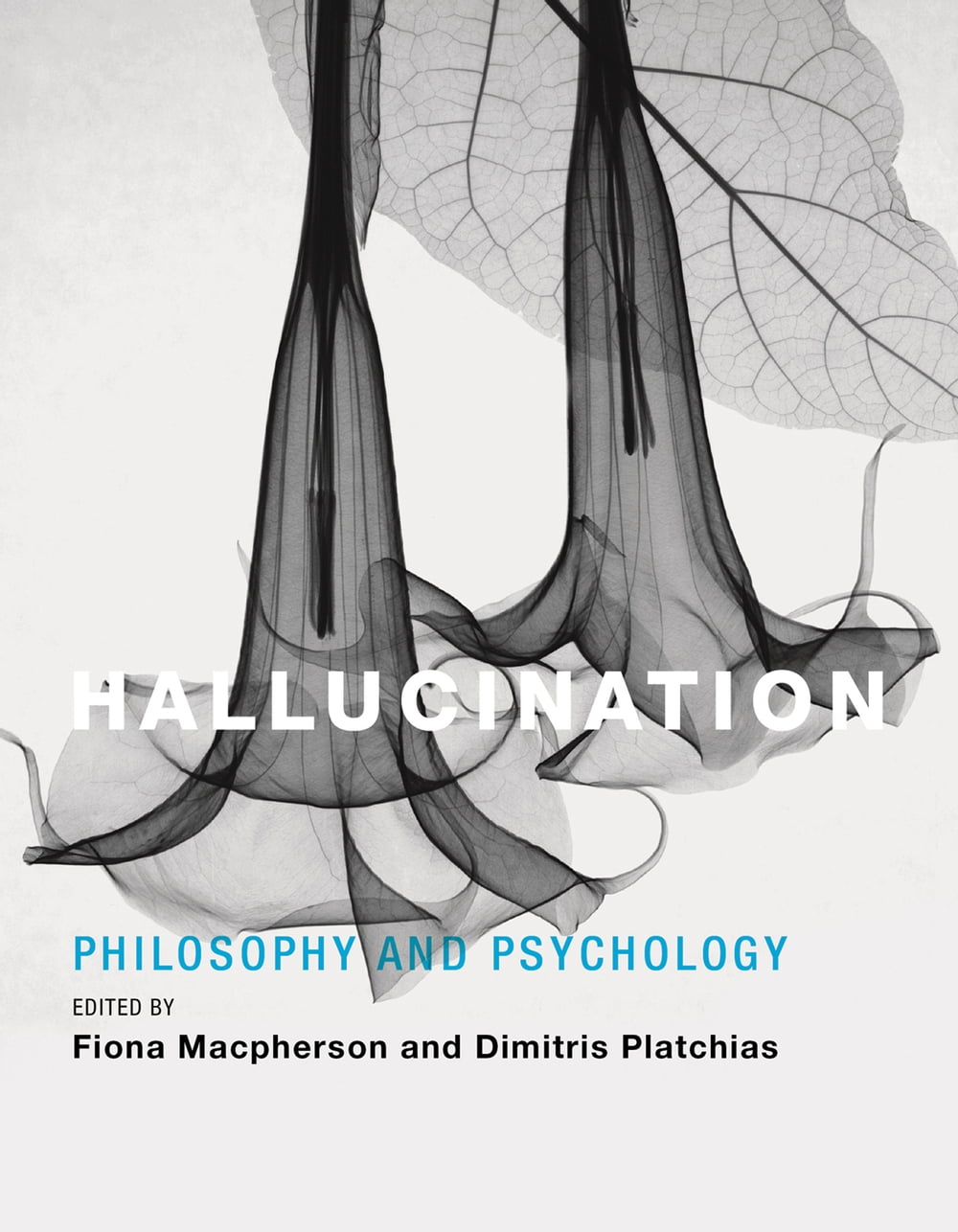


Scientific and philosophical perspectives on hallucination: essays that draw on empirical evidence from psychology, neuroscience, and cutting-edge philosophical theory. Reflection on the nature of hallucination has relevance for many traditional philosophical debates concerning the nature of the mind, perception, and our knowledge of the world. In recent years, neuroimaging techniques and scientific findings on the nature of hallucination, combined with interest in new philosophical theories of perception such as disjunctivism, have brought the topic of hallucination once more to the forefront of philosophical thinking. Scientific evidence from psychology, neuroscience, and psychiatry sheds light on the functional role and physiology of actual hallucinations; some disjunctivist theories offer a radically new and different philosophical conception of hallucination. This volume offers interdisciplinary perspectives on the nature of hallucination, offering essays by both scientists and philosophers. Contributors first consider topics from psychology and neuroscience, including neurobiological mechanisms of hallucination and the nature and phenomenology of auditory-verbal hallucinations. Philosophical discussions follow, with contributors first considering disjunctivism and then, more generally, the relation between hallucination and the nature of experience. Contributors István Aranyosi, Richard P. Bentall, Paul Coates, Fabian Dorsch, Katalin Farkas, Charles Fernyhough, Dominic H. ffytche, Benj Hellie, Matthew Kennedy, Fiona Macpherson, Ksenija Maravic da Silva, Peter Naish, Simon McCarthy-Jones, Matthew Nudds, Costas Pagondiotis, Ian Phillips, Dimitris Platchias, Howard Robinson, Susanna Schellenberg, Filippo Varese
-
Curatore:
-
Anno edizione:2013
-
Editore:
-
Formato:
Lingua:
Inglese
Compatibilità:
Tutti i dispositivi (eccetto Kindle) Scopri di più
Layout:
Reflowable
EAN:
9780262315067

Formato:
Gli eBook venduti da Feltrinelli.it sono in formato ePub e possono essere protetti da Adobe DRM. In caso di download di un file protetto da DRM si otterrà un file in formato .acs, (Adobe Content Server Message), che dovrà essere aperto tramite Adobe Digital Editions e autorizzato tramite un account Adobe, prima di poter essere letto su pc o trasferito su dispositivi compatibili.
Cloud:
Gli eBook venduti da Feltrinelli.it sono sincronizzati automaticamente su tutti i client di lettura Kobo successivamente all’acquisto. Grazie al Cloud Kobo i progressi di lettura, le note, le evidenziazioni vengono salvati e sincronizzati automaticamente su tutti i dispositivi e le APP di lettura Kobo utilizzati per la lettura.
Clicca qui per sapere come scaricare gli ebook utilizzando un pc con sistema operativo Windows
