









EBOOK IN LINGUA STRANIERA





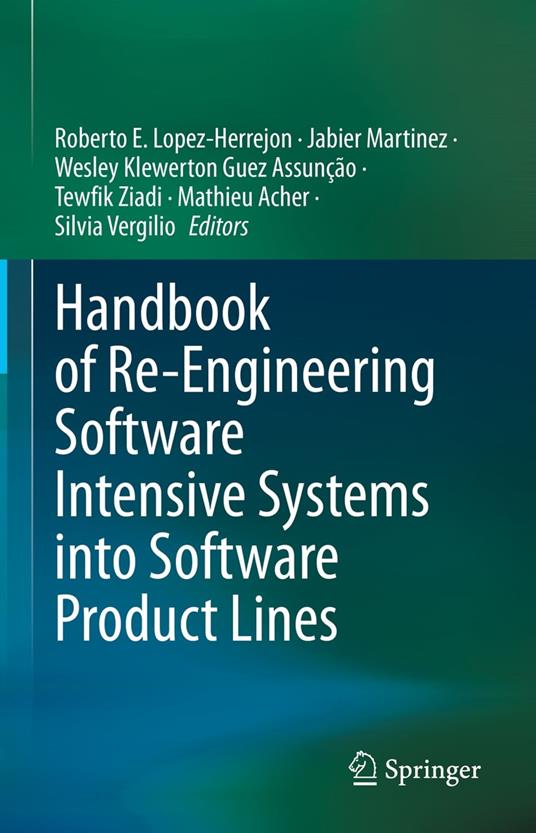
Handbook of Re-Engineering Software Intensive Systems into Software Product Lines

177,83 €
+1780
punti 
Venditore: Feltrinelli

Acquista online
Scaricabile subito
Articolo acquistabile con Carta del Docente

Articolo acquistabile con Carta Cultura Giovani e Carta del Merito

Articolo acquistabile con Carta della Cultura

Dati e Statistiche
 Salvato in 0 liste dei desideri
Salvato in 0 liste dei desideri
Handbook of Re-Engineering Software Intensive Systems into Software Product Lines
Scaricabile subito
177,83 €
177,83 €
Scaricabile subito
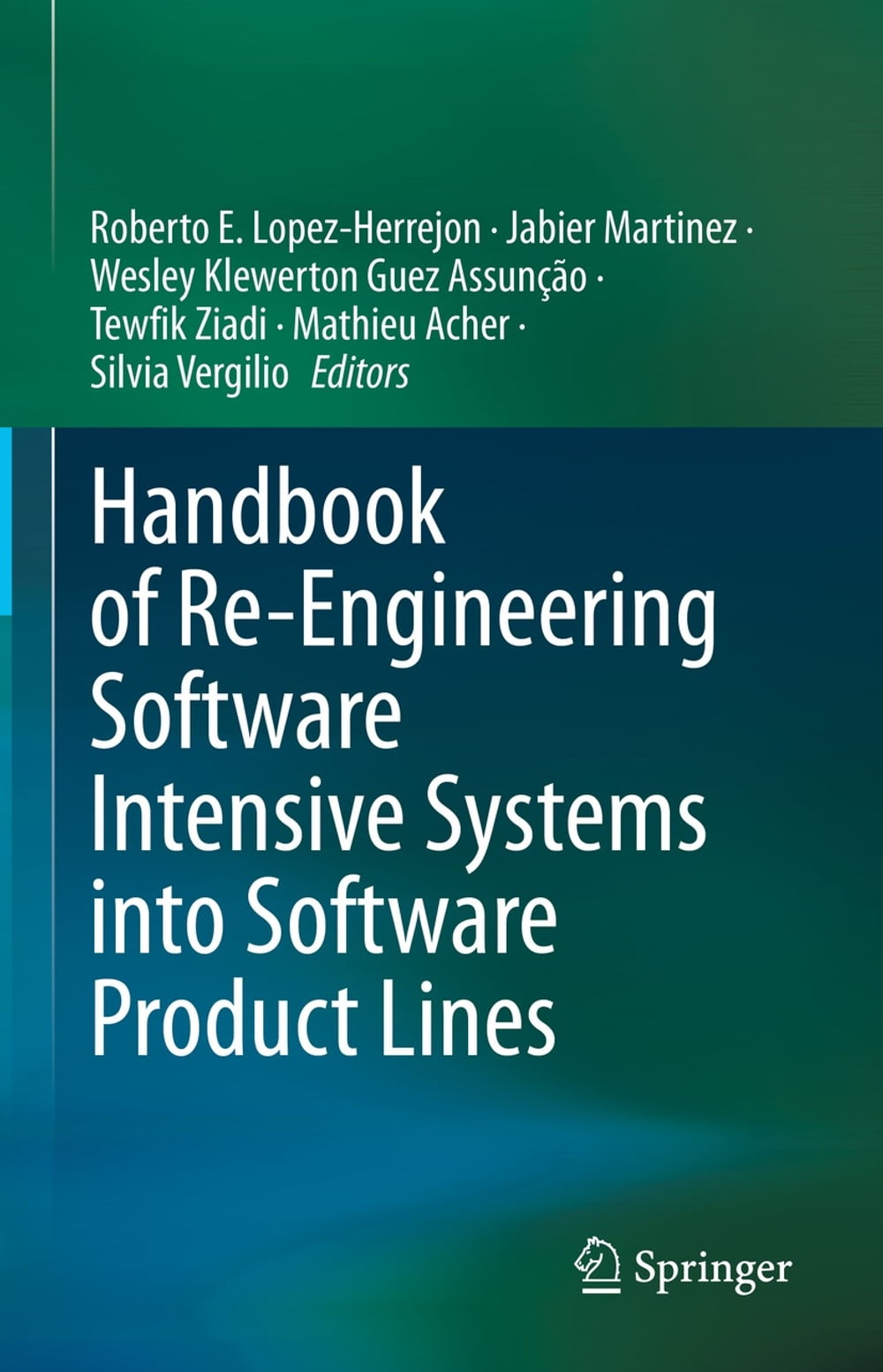


This handbook distils the wealth of expertise and knowledge from a large community of researchers and industrial practitioners in Software Product Lines (SPLs) gained through extensive and rigorous theoretical, empirical, and applied research. It is a timely compilation of well-established and cutting-edge approaches that can be leveraged by those facing the prevailing and daunting challenge of re-engineering their systems into SPLs. The selection of chapters provides readers with a wide and diverse perspective that reflects the complementary and varied expertise of the chapter authors. This perspective covers the re-engineering processes, from planning to execution. SPLs are families of systems that share common assets, allowing a disciplined software reuse. The adoption of SPL practices has shown to enable significant technical and economic benefits for the companies that employ them. However, successful SPLs rarely start from scratch, but instead, they usually start froma set of existing systems that must undergo well-defined re-engineering processes to unleash new levels of productivity and competitiveness. Practitioners will benefit from the lessons learned by the community, captured in the array of methodological and technological alternatives presented in the chapters of the handbook, and will gain the confidence for undertaking their own re-engineering challenges. Researchers and educators will find a valuable single-entry point to quickly become familiar with the state-of-the-art on the topic and the open research opportunities; including undergraduate, graduate students, and R&D engineers who want to have a comprehensive understanding of techniques in reverse engineering and re-engineering of variability-rich software systems.
-
Curatore:
-
Anno edizione:2022
-
Editore:
-
Formato:
Lingua:
Inglese
Compatibilità:
Tutti i dispositivi (eccetto Kindle) Scopri di più
Layout:
Reflowable
EAN:
9783031116865

Formato:
Gli eBook venduti da Feltrinelli.it sono in formato ePub e possono essere protetti da Adobe DRM. In caso di download di un file protetto da DRM si otterrà un file in formato .acs, (Adobe Content Server Message), che dovrà essere aperto tramite Adobe Digital Editions e autorizzato tramite un account Adobe, prima di poter essere letto su pc o trasferito su dispositivi compatibili.
Cloud:
Gli eBook venduti da Feltrinelli.it sono sincronizzati automaticamente su tutti i client di lettura Kobo successivamente all’acquisto. Grazie al Cloud Kobo i progressi di lettura, le note, le evidenziazioni vengono salvati e sincronizzati automaticamente su tutti i dispositivi e le APP di lettura Kobo utilizzati per la lettura.
Clicca qui per sapere come scaricare gli ebook utilizzando un pc con sistema operativo Windows
