










EBOOK IN LINGUA STRANIERA





The Human Shadow

12,99 €
+130
punti 
Venditore: Feltrinelli

Acquista online
Scaricabile subito
Articolo acquistabile con Carta del Docente

Articolo acquistabile con Carta Cultura Giovani e Carta del Merito

Articolo acquistabile con Carta della Cultura

Abbonati a Kobo plus per avere accesso illimitato a questo contenuto

Dati e Statistiche
 Salvato in 0 liste dei desideri
Salvato in 0 liste dei desideri
The Human Shadow
Scaricabile subito
12,99 €
12,99 €
Scaricabile subito

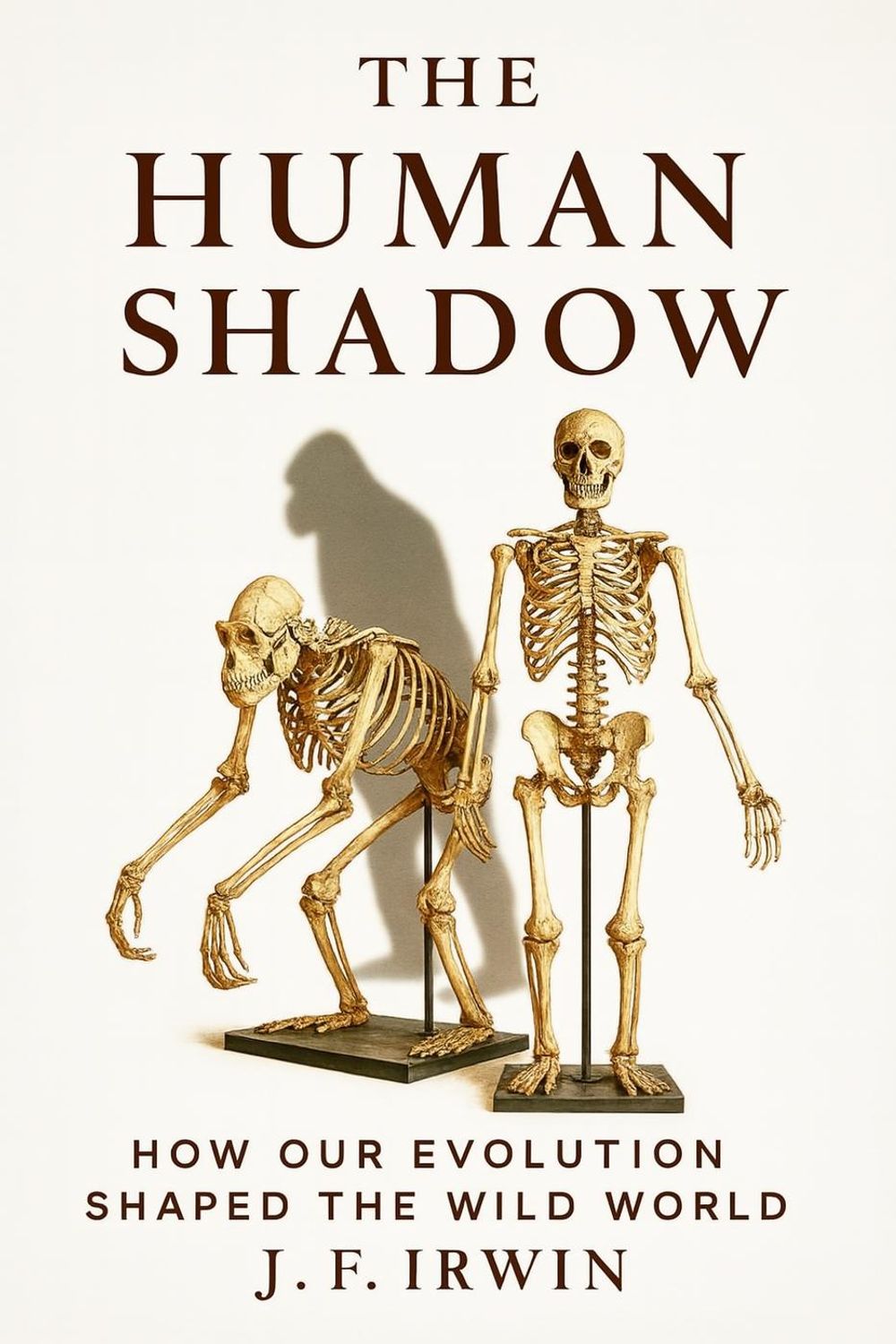



The Human Shadow: How Our Evolution Shaped the Wild World A Comprehensive History of Human Impact on Non-Domesticated Animals In the summer of 1804, Lewis and Clark encountered landscapes that seemed to pulse with limitless wildlife, herds of bison darkening prairies, skies thick with passenger pigeons, rivers running silver with salmon. Yet they were witnessing an illusion. These apparently pristine wilderness were already shaped by 10,000 years of human influence, ecosystems recovering from massive disruptions caused by disease-devastated indigenous populations. This paradox, the invisibility of human influence even in the wildest places illuminates a profound truth about our species' relationship with the natural world. For seven million years, humanity has cast an expanding shadow across Earth's wildlife, reshaping ecosystems in ways both subtle and transformative. The Human Shadow tells this complete story for the first time, tracing our impact on non-domesticated animals from the first upright steps of australopithecine ancestors through today's satellite-monitored conservation programs. Drawing on cutting-edge research in archaeology, paleontology, ecology, and anthropology, this sweeping narrative reveals how cognitive abilities that enabled our species' survival, tool use, fire control, cooperative hunting, and abstract thinking ultimately became among the most powerful forces for ecological change in Earth's history. Beyond Environmental History This is not merely a catalog of ecological disasters. The Human Shadow reveals recurring patterns that transcend specific times and places: why islands consistently lose their largest animals first, how technological advances amplify environmental impacts, and why each generation accepts degraded conditions as normal. More importantly, it identifies the conditions that have enabled some human societies to maintain rich wildlife communities for millennia while others triggered ecological collapse. The book brings to light extraordinary stories often overlooked in environmental narratives: Australian Aboriginal fire management that maintained savanna ecosystems for 50,000 years; indigenous American societies that increased biodiversity through sophisticated agroforestry; Namibian communities that transformed from wildlife poachers to conservation partners; European rewilding projects restoring trophic cascades to degraded landscapes. A Story of Choices Drawing on examples ranging from ancient Mesopotamian irrigation systems to modern GPS-collared elephants sending text message alerts to farmers. The Human Shadow demonstrates that sustainable human-wildlife relationships are neither impossible nor inevitable, they result from specific choices about technology, economics, and values. As we stand at what may be the most critical juncture in the history of life on Earth, understanding our deep history with the natural world becomes not just intellectually fascinating but practically essential. The decisions we make in the coming decades will determine whether the Anthropocene becomes a brief, destructive interruption in evolution's story or the beginning of a new chapter where human intelligence serves the flourishing of all life.
-
Autore:
-
Anno edizione:2025
-
Editore:
-
Formato:
-
Lingua:Inglese
Compatibilità:
Tutti i dispositivi (eccetto Kindle) Scopri di più
Layout:
Reflowable
EAN:
9798233024009

Formato:
Gli eBook venduti da Feltrinelli.it sono in formato ePub e possono essere protetti da Adobe DRM. In caso di download di un file protetto da DRM si otterrà un file in formato .acs, (Adobe Content Server Message), che dovrà essere aperto tramite Adobe Digital Editions e autorizzato tramite un account Adobe, prima di poter essere letto su pc o trasferito su dispositivi compatibili.
Cloud:
Gli eBook venduti da Feltrinelli.it sono sincronizzati automaticamente su tutti i client di lettura Kobo successivamente all’acquisto. Grazie al Cloud Kobo i progressi di lettura, le note, le evidenziazioni vengono salvati e sincronizzati automaticamente su tutti i dispositivi e le APP di lettura Kobo utilizzati per la lettura.
Clicca qui per sapere come scaricare gli ebook utilizzando un pc con sistema operativo Windows
