










EBOOK IN LINGUA STRANIERA





Hunger

3,11 €
+30
punti 
Venditore: Feltrinelli

Acquista online
Scaricabile subito
Articolo acquistabile con Carta del Docente

Articolo acquistabile con Carta Cultura Giovani e Carta del Merito

Articolo acquistabile con Carta della Cultura

Dati e Statistiche
 Salvato in 0 liste dei desideri
Salvato in 0 liste dei desideri
Hunger
Scaricabile subito
3,11 €
3,11 €
Scaricabile subito

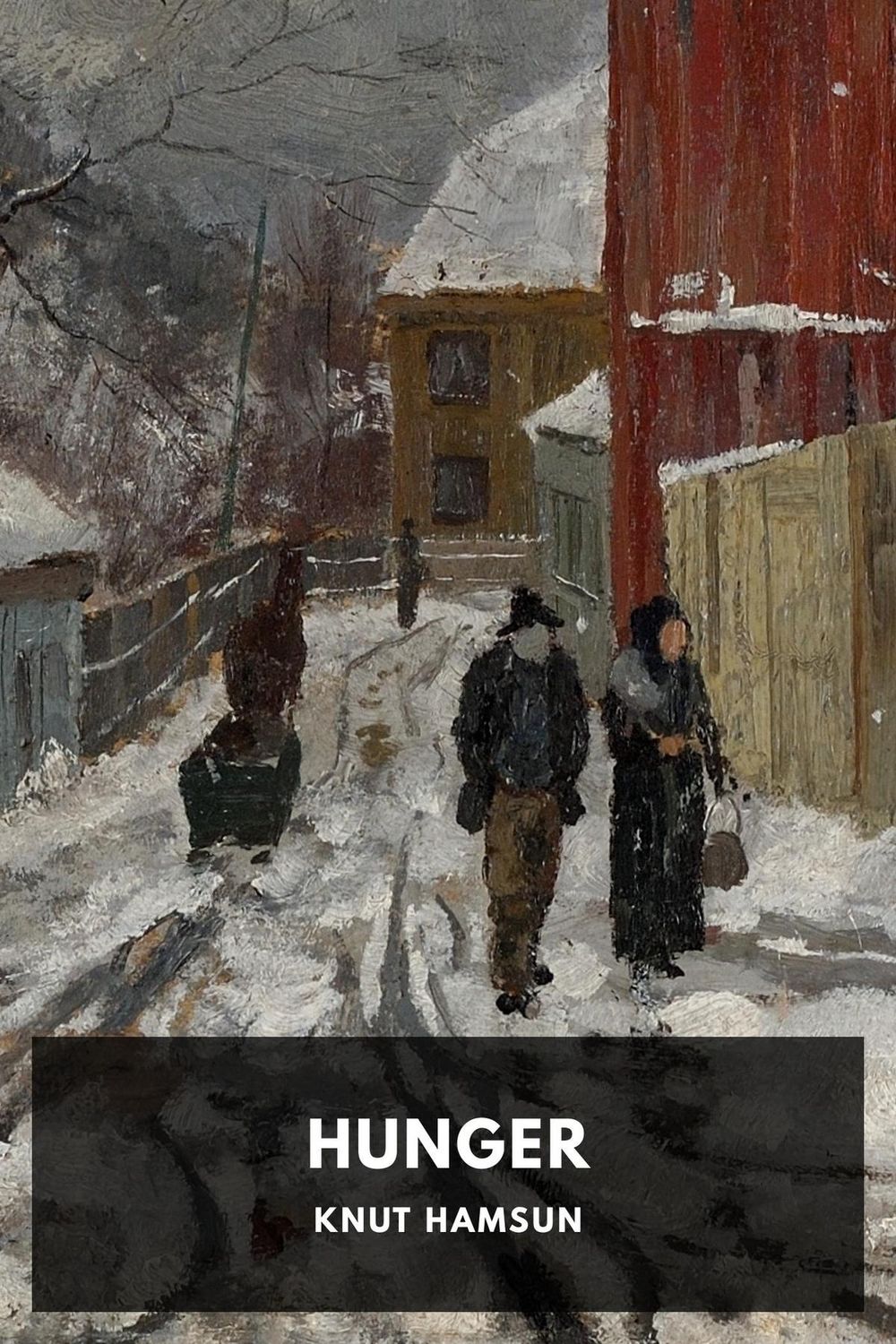



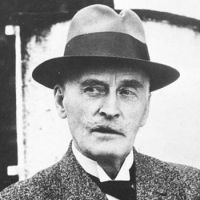
*Hunger* recounts the physical and mental decline of an aspiring writer struggling to establish himself in late nineteenth-century Christiania. Initially hungry and weeks behind on his rent, the unnamed protagonist becomes increasingly destitute and, as his starvation progresses, increasingly irrational. He tries, often failing, to pawn as many of his remaining possessions as he can spare, down to his coat buttons and old blanket. When the protagonist leaves the cramped lodgings he cannot afford, he sleeps on benches and streets at night; during the day he tries desperately both to acquire any amount of money and to maintain a front of respectability. At the same time, he attempts to compose journalistic and literary works to sell and becomes infatuated with a woman he feels compelled to harass on the street, for whom he coins the nonsense name "Ylajali." The book has been received as a proto-modernist portrait of urban alienation; it is also a study of a particular character, based on that of Hamsun himself, whose own experiences of severe hunger, financial hardship and literary ambition supplied the raw material for the work. Like the unnamed protagonist, Hamsun's disheveled and emaciated appearance shocked the editor to whom he delivered the first part of his manuscript, impelling the latter to immediately give the author five kroner, just as the editor in *Hunger* sends money to the protagonist. Various other autobiographical details have been identified in the book, including one of Hamsun's places of residence in Oslo, leading biographer Robert Ferguson to label *Hunger* "Hamsun's self-portrait in fiction." Often described as plotless, *Hunger* was Hamsun's first published novel, which as he wrote to Danish literary critic Georg Brandes "must not be regarded as a novel." To Hamsun, traditionally "novelistic" structures were incompatible with his own fascination, namely "the endless motion of [his] own mind. " Instead, as he wrote to his friend Erik Frydenlund, he viewed the book as "a series of analyses." These analyses predominantly concern the protagonist's psychology: the emotions and fantasies of his turbulent inner life are recorded in detail, periods of manic creativity giving way to violent, and at times self-punishing, despair. When through various strokes of luck he comes into small amounts of money, he tends to squander it immediately out of spite, pride or inappropriate generosity, only to be racked once again with shame over what he regards as the disgrace of his poverty. An extract from the book was published in November 1888 in the Danish periodical *Ny Jord*, as Hamsun needed the money. The anonymous excerpt was a sensation in the Danish-speaking world of letters and, once the identity of its author became known, drew Hamsun into the prestigious literary circles of Copenhagen. When the completed book was published nineteen months later, it brought its author international fame, bolstered by its rapid translation into German one month after its publication in Denmark and Norway. As with the rest of Hamsun's oeuvre, *Hunger*'s popularity waned drastically after the Second World War due to the author's support of Nazism, and this element of the author's biography continues to constrain its readership today. However, the apolitical, inwardly focused *Hunger* has been recognized by critics as one of Hamsun's best works, a classic of Norwegian literature and an important forerunner of twentieth-century modernism. This Standard Ebooks edition is the translation by George Egerton, pseudonym of writer and translator Mary Chavelita Dunne Bright. Originally censored in part, the 1921 edition reproduced here restores the missing sections.
-
Autore:
-
Anno edizione:2026
-
Editore:
-
Formato:
-
Lingua:Inglese
Compatibilità:
Tutti i dispositivi (eccetto Kindle) Scopri di più
Layout:
Reflowable
EAN:
9781434123992

Formato:
Gli eBook venduti da Feltrinelli.it sono in formato ePub e possono essere protetti da Adobe DRM. In caso di download di un file protetto da DRM si otterrà un file in formato .acs, (Adobe Content Server Message), che dovrà essere aperto tramite Adobe Digital Editions e autorizzato tramite un account Adobe, prima di poter essere letto su pc o trasferito su dispositivi compatibili.
Cloud:
Gli eBook venduti da Feltrinelli.it sono sincronizzati automaticamente su tutti i client di lettura Kobo successivamente all’acquisto. Grazie al Cloud Kobo i progressi di lettura, le note, le evidenziazioni vengono salvati e sincronizzati automaticamente su tutti i dispositivi e le APP di lettura Kobo utilizzati per la lettura.
Clicca qui per sapere come scaricare gli ebook utilizzando un pc con sistema operativo Windows
