










EBOOK IN LINGUA STRANIERA





The Imaginative Argument

24,95 €
+250
punti 
Venditore: Feltrinelli

Acquista online
Scaricabile subito
Articolo acquistabile con Carta del Docente

Articolo acquistabile con Carta Cultura Giovani e Carta del Merito

Articolo acquistabile con Carta della Cultura

Dati e Statistiche
 Salvato in 0 liste dei desideri
Salvato in 0 liste dei desideri
The Imaginative Argument
Scaricabile subito
24,95 €
24,95 €
Scaricabile subito

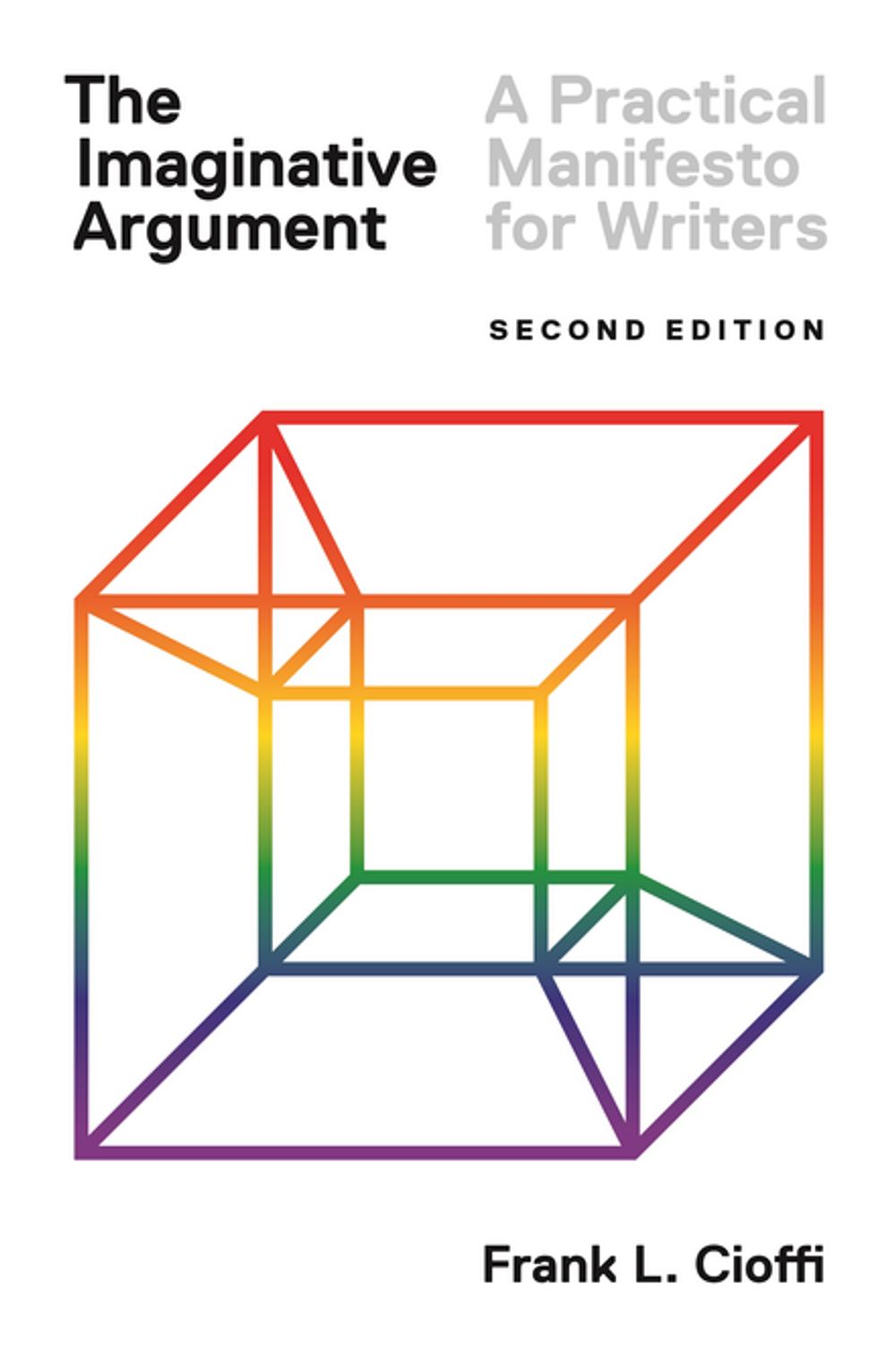



More than merely a writing text, The Imaginative Argument offers writers instruction on how to use their imaginations to improve their prose. Cioffi shows writers how they can enliven argument—the organizing rubric of all persuasive writing—by drawing on emotion, soul, and creativity, the wellsprings of imagination. While Cioffi suggests that argument should become a natural habit of mind for writers, he goes still further, inspiring writers to adopt as their gold standard the imaginative argument: the surprising yet strikingly apt insight that organizes disparate noises into music, that makes out of chaos, chaos theory. Rather than offering a model of writing based on established formulas or templates, Cioffi urges writers to envision argument as an active parsing of experience that imaginatively reinvents the world. Cioffi's manifesto asserts that successful argument also requires writers to explore their own deep-seated feelings, to exploit the fuzzy but often profoundly insightful logic of the imagination. But expression is not all that matters: Cioffi's work anchors itself in the actual. Drawing on Louis Kahn's notion that a good architect never has all the answers to a building's problems before its physical construction, Cioffi maintains that in argument, too, answers must be forged along the way, as the writer inventively deals with emergent problems and unforeseen complexities. Indeed, discovery, imagination, and invention suffuse all stages of the process. The Imaginative Argument offers all the intellectual kindling that writers need to ignite this creativity, from insights on developing ideas to avoiding bland assertions or logical leaps. It cites exemplary nonfiction prose stylists, including William James, Ruth Benedict, and Erving Goffman, as well as literary sources to demonstrate the dynamic of persuasive writing. Provocative and lively, it will prove not only essential reading but also inspiration for all those interested in arguing more imaginatively more successfully. This edition features new chapters that cover the revision process in greater depth, as well as the particular challenges of researching and writing in the digital age, such as working with technology and avoiding plagiarism. The book also includes new sample essays, an appendix to help instructors use the book in the classroom, and much more.
-
Autore:
-
Anno edizione:2017
-
Editore:
-
Formato:
-
Lingua:Inglese
Compatibilità:
Tutti i dispositivi (eccetto Kindle) Scopri di più
Layout:
Reflowable
EAN:
9781400888191

Formato:
Gli eBook venduti da Feltrinelli.it sono in formato ePub e possono essere protetti da Adobe DRM. In caso di download di un file protetto da DRM si otterrà un file in formato .acs, (Adobe Content Server Message), che dovrà essere aperto tramite Adobe Digital Editions e autorizzato tramite un account Adobe, prima di poter essere letto su pc o trasferito su dispositivi compatibili.
Cloud:
Gli eBook venduti da Feltrinelli.it sono sincronizzati automaticamente su tutti i client di lettura Kobo successivamente all’acquisto. Grazie al Cloud Kobo i progressi di lettura, le note, le evidenziazioni vengono salvati e sincronizzati automaticamente su tutti i dispositivi e le APP di lettura Kobo utilizzati per la lettura.
Clicca qui per sapere come scaricare gli ebook utilizzando un pc con sistema operativo Windows
