









EBOOK IN LINGUA STRANIERA





Inventing Falsehood, Making Truth

30,77 €
+310
punti 
Venditore: Feltrinelli

Acquista online
Scaricabile subito
Articolo acquistabile con Carta del Docente

Articolo acquistabile con Carta Cultura Giovani e Carta del Merito

Articolo acquistabile con Carta della Cultura

Dati e Statistiche
 Salvato in 0 liste dei desideri
Salvato in 0 liste dei desideri
Inventing Falsehood, Making Truth
Scaricabile subito
30,77 €
30,77 €
Scaricabile subito
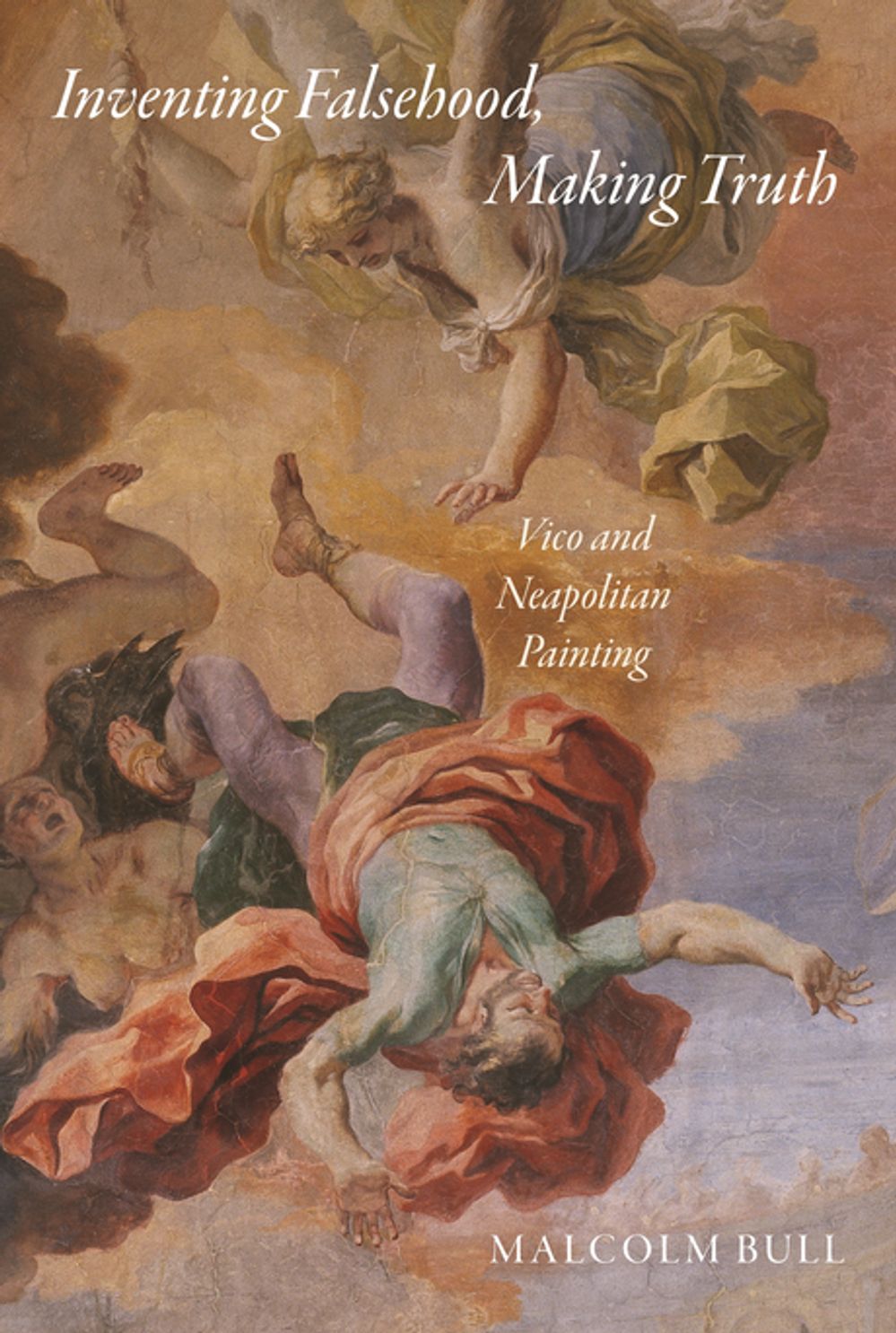


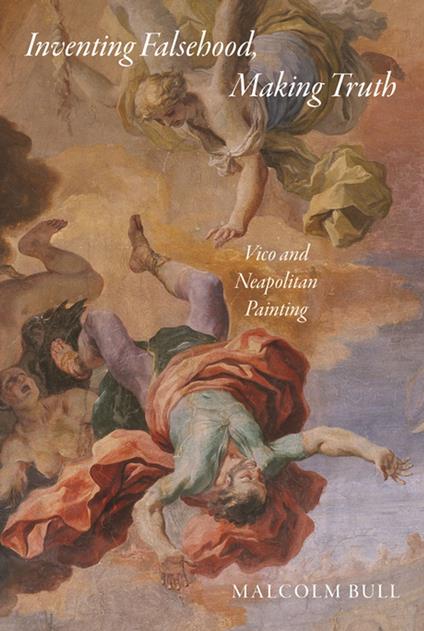
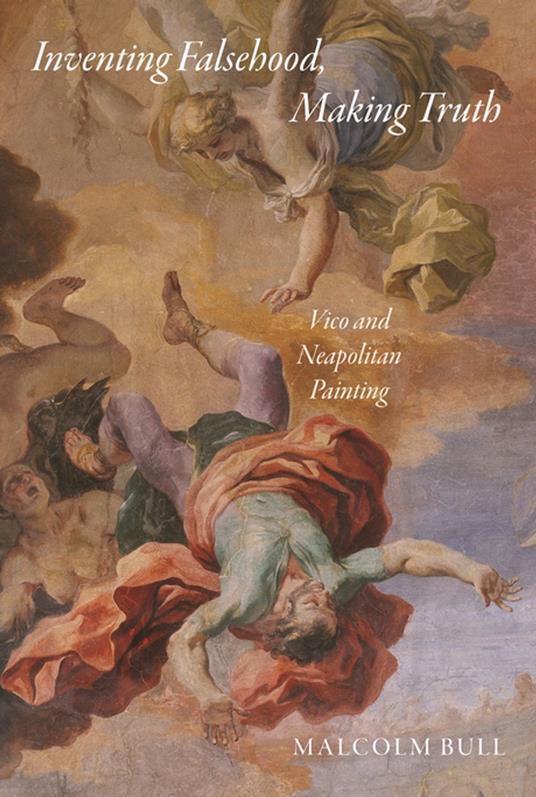
How the philosophy of Giambattista Vico was influenced by eighteenth-century Neopolitan painting Can painting transform philosophy? In Inventing Falsehood, Making Truth, Malcolm Bull looks at Neapolitan art around 1700 through the eyes of the philosopher Giambattista Vico. Surrounded by extravagant examples of late Baroque painting by artists like Luca Giordano and Francesco Solimena, Vico concluded that human truth was a product of the imagination. Truth was not something that could be observed: instead, it was something made in the way that paintings were made--through the exercise of fantasy. Juxtaposing paintings and texts, Bull presents the masterpieces of late Baroque painting in early eighteenth-century Naples from an entirely new perspective. Revealing the close connections between the arguments of the philosophers and the arguments of the painters, he shows how Vico drew on both in his influential philosophy of history, The New Science. Bull suggests that painting can serve not just as an illustration for philosophical arguments, but also as the model for them--that painting itself has sometimes been a form of epistemological experiment, and that, perhaps surprisingly, the Neapolitan Baroque may have been one of the routes through which modern consciousness was formed.
-
Autore:
-
Anno edizione:2013
-
Editore:
-
Formato:
-
Lingua:Inglese
Compatibilità:
Tutti i dispositivi (eccetto Kindle) Scopri di più
Layout:
Reflowable
EAN:
9781400849741


Formato:
Gli eBook venduti da Feltrinelli.it sono in formato ePub e possono essere protetti da Adobe DRM. In caso di download di un file protetto da DRM si otterrà un file in formato .acs, (Adobe Content Server Message), che dovrà essere aperto tramite Adobe Digital Editions e autorizzato tramite un account Adobe, prima di poter essere letto su pc o trasferito su dispositivi compatibili.
Cloud:
Gli eBook venduti da Feltrinelli.it sono sincronizzati automaticamente su tutti i client di lettura Kobo successivamente all’acquisto. Grazie al Cloud Kobo i progressi di lettura, le note, le evidenziazioni vengono salvati e sincronizzati automaticamente su tutti i dispositivi e le APP di lettura Kobo utilizzati per la lettura.
Clicca qui per sapere come scaricare gli ebook utilizzando un pc con sistema operativo Windows
