









EBOOK IN LINGUA STRANIERA





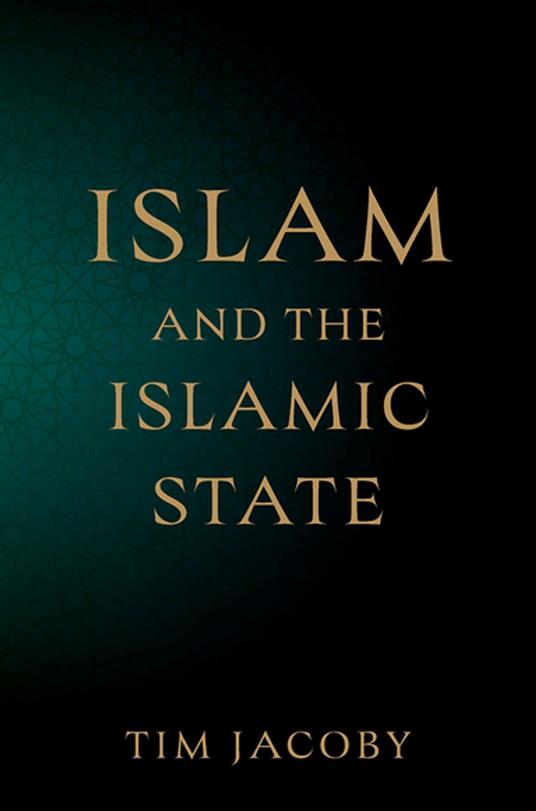
Islam and the Islamic State

71,44 €
+710
punti 
Venditore: Feltrinelli

Acquista online
Scaricabile subito
Articolo acquistabile con Carta del Docente

Articolo acquistabile con Carta Cultura Giovani e Carta del Merito

Articolo acquistabile con Carta della Cultura

Dati e Statistiche
 Salvato in 0 liste dei desideri
Salvato in 0 liste dei desideri
Islam and the Islamic State
Scaricabile subito
71,44 €
71,44 €
Scaricabile subito
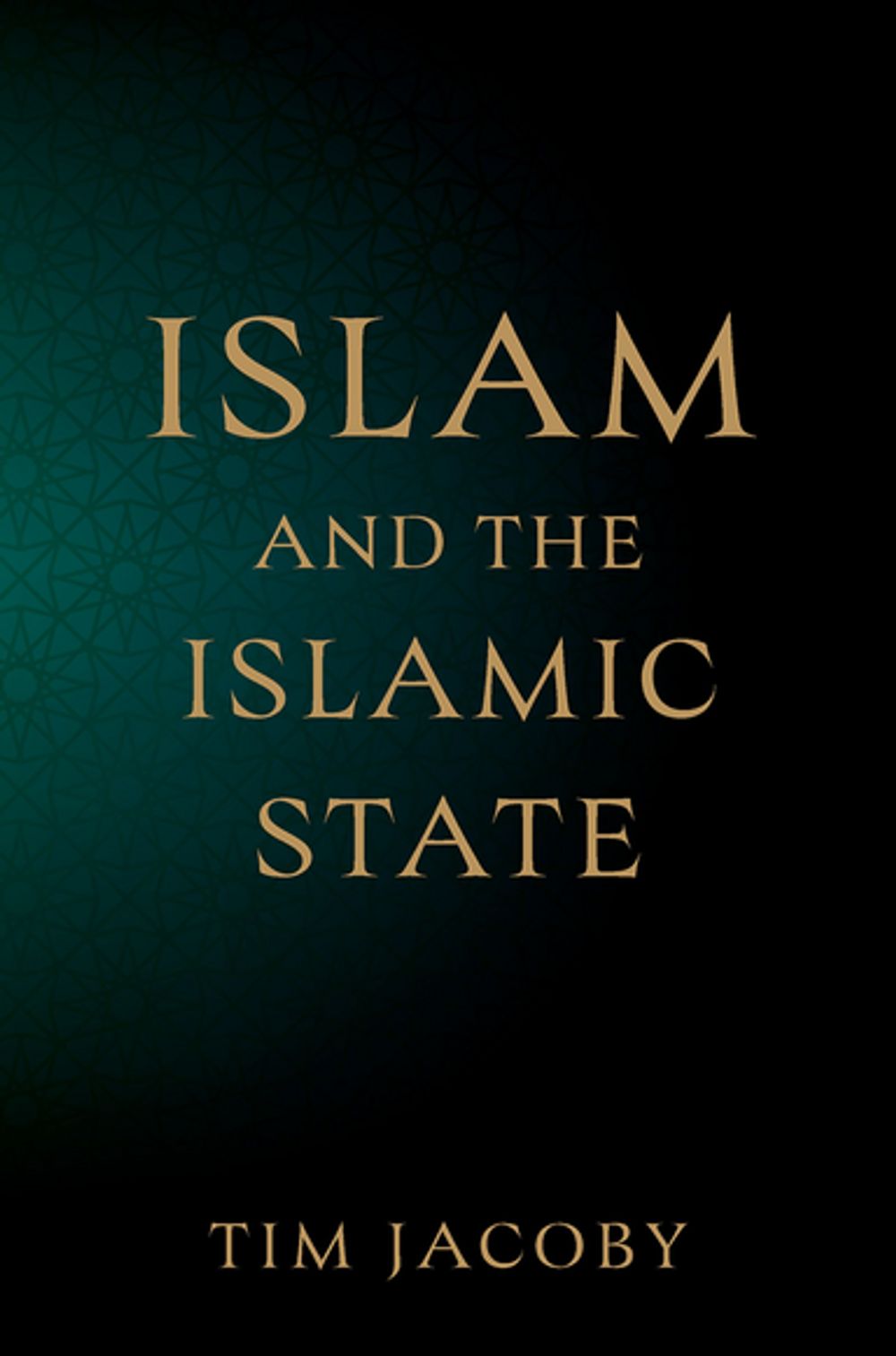



At its zenith, the Islamic State was one of the most developed and powerful of the various militant organisations that have emerged within the Middle East in recent decades. Not limiting its objectives to organising mass casualty attacks, it constructed a complex system of administration, including an outreach department, which produced a large body of film, social media and literature. Of these, its flagship publication, Dabiq (later renamed Rumiyah), has been its most significant English-language output, and has the potential to tell us a great deal about its ideas and those of other non-state armed actors that claim to maintain some kind of relationship with Islam. Islam and the Islamic State begins by tracing out the emergence of the Islamic State. It locates its separatist appeal within the aftermath of the Iraqi invasion and the early years of the occupation--particularly the Coalition's successful efforts to prevent the formation of a unified national resistance movement. It then goes on to position the West's efforts to reveal its "true nature" within established narratives on the relationship between Islam and violence. This campaign of "ideological delegitimisation" lay at the heart of the military campaign to denude the so-called Caliphate and was, Tim Jacoby argues, central to a global attempt to downplay its quintessentially political motives. With this context in mind, the book this book seeks to understand what the Islamic State says about itself. Attempting to get beyond the moral opprobrium that characterises many other studies, it looks in detail at Dabiq/Rumiyah. The objective here is to analyse how this vital corpus of literature engages with Islamic exegeses--in terms of references to the Qur'an, classical scholarship and contemporary Muslims intellectuals. This reveals a complex and highly instrumental approach to the faith that was fundamentally driven by a determined claim to statehood.
-
Autore:
-
Anno edizione:2025
-
Editore:
-
Formato:
-
Lingua:Inglese
Compatibilità:
Tutti i dispositivi (eccetto Kindle) Scopri di più
Layout:
Reflowable
EAN:
9780197829486

Formato:
Gli eBook venduti da Feltrinelli.it sono in formato ePub e possono essere protetti da Adobe DRM. In caso di download di un file protetto da DRM si otterrà un file in formato .acs, (Adobe Content Server Message), che dovrà essere aperto tramite Adobe Digital Editions e autorizzato tramite un account Adobe, prima di poter essere letto su pc o trasferito su dispositivi compatibili.
Cloud:
Gli eBook venduti da Feltrinelli.it sono sincronizzati automaticamente su tutti i client di lettura Kobo successivamente all’acquisto. Grazie al Cloud Kobo i progressi di lettura, le note, le evidenziazioni vengono salvati e sincronizzati automaticamente su tutti i dispositivi e le APP di lettura Kobo utilizzati per la lettura.
Clicca qui per sapere come scaricare gli ebook utilizzando un pc con sistema operativo Windows
