










EBOOK IN LINGUA STRANIERA





Julius Caesar

0,49 €
Venditore: Feltrinelli

Acquista online
Scaricabile subito
Articolo acquistabile con Carta del Docente

Articolo acquistabile con Carta Cultura Giovani e Carta del Merito

Articolo acquistabile con Carta della Cultura

Abbonati a Kobo plus per avere accesso illimitato a questo contenuto

Dati e Statistiche
 Salvato in 0 liste dei desideri
Salvato in 0 liste dei desideri
Julius Caesar
Scaricabile subito
0,49 €
0,49 €
Scaricabile subito

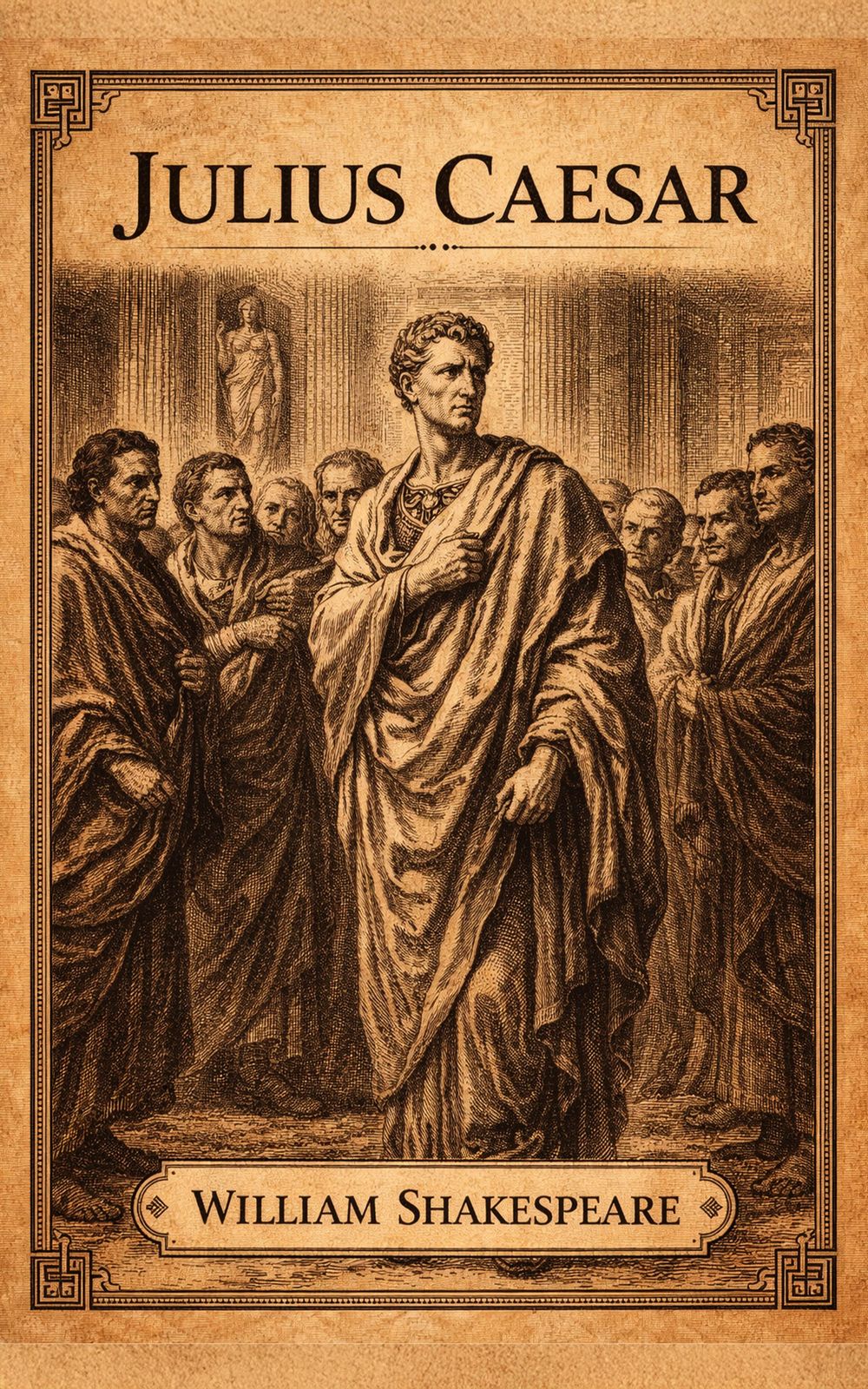



Power, ambition, loyalty, and betrayal collide in William Shakespeare's gripping historical tragedy, Julius Caesar—a timeless exploration of politics and the fragile nature of honor. Set in ancient Rome, the play follows the dramatic events surrounding the rise and assassination of Julius Caesar, a triumphant general whose growing influence sparks fear among the Roman elite. Though celebrated by the masses, Caesar's ascent to near-absolute authority alarms a group of senators who worry that the Republic is on the brink of tyranny. Among them is Brutus, a noble and respected statesman torn between his deep friendship with Caesar and his unwavering devotion to Rome. Persuaded by the cunning and manipulative Cassius, Brutus joins a conspiracy to prevent Caesar's coronation. What follows is one of literature's most powerful depictions of political intrigue and moral conflict. The conspirators strike in the name of liberty—but their actions unleash chaos rather than stability. As Rome descends into unrest, alliances shift, loyalties fracture, and the cost of idealism becomes devastatingly clear. Central to the drama are unforgettable speeches that continue to resonate through history, including Mark Antony's masterful funeral oration—"Friends, Romans, countrymen…"—a turning point that transforms public opinion and ignites civil war. Through these iconic moments, Shakespeare demonstrates the power of rhetoric to shape truth, manipulate emotion, and alter the course of history. Beyond its political drama, Julius Caesar is a profound study of human character. Brutus emerges as a tragic figure, guided by honor yet undone by misjudgment. Caesar himself, though assassinated early in the play, remains a commanding presence, symbolizing both strength and vulnerability. Themes of fate versus free will, public duty versus private loyalty, and the consequences of unchecked ambition echo throughout the narrative. Written in 1599, this masterpiece remains strikingly relevant, offering insight into leadership, democracy, and the volatility of public opinion. Shakespeare's rich language, complex characters, and penetrating understanding of human nature make Julius Caesar not only a cornerstone of dramatic literature but also a compelling reflection on the timeless struggle for power. Bold, thought-provoking, and unforgettable, Julius Caesar continues to captivate readers and audiences with its exploration of political morality and the enduring question: when does the defense of freedom become an act of destruction?
-
Autore:
-
Anno edizione:2026
-
Editore:
-
Formato:
-
Lingua:Inglese
Compatibilità:
Tutti i dispositivi (eccetto Kindle) Scopri di più
Layout:
Reflowable
EAN:
9784603155701


Formato:
Gli eBook venduti da Feltrinelli.it sono in formato ePub e possono essere protetti da Adobe DRM. In caso di download di un file protetto da DRM si otterrà un file in formato .acs, (Adobe Content Server Message), che dovrà essere aperto tramite Adobe Digital Editions e autorizzato tramite un account Adobe, prima di poter essere letto su pc o trasferito su dispositivi compatibili.
Cloud:
Gli eBook venduti da Feltrinelli.it sono sincronizzati automaticamente su tutti i client di lettura Kobo successivamente all’acquisto. Grazie al Cloud Kobo i progressi di lettura, le note, le evidenziazioni vengono salvati e sincronizzati automaticamente su tutti i dispositivi e le APP di lettura Kobo utilizzati per la lettura.
Clicca qui per sapere come scaricare gli ebook utilizzando un pc con sistema operativo Windows
