










EBOOK IN LINGUA STRANIERA





Killed by a Traffic Engineer

29,94 €
+300
punti 
Venditore: Feltrinelli

Acquista online
Scaricabile subito
Articolo acquistabile con Carta del Docente

Articolo acquistabile con Carta Cultura Giovani e Carta del Merito

Articolo acquistabile con Carta della Cultura

Dati e Statistiche
 Salvato in 0 liste dei desideri
Salvato in 0 liste dei desideri
Killed by a Traffic Engineer
Scaricabile subito
29,94 €
29,94 €
Scaricabile subito

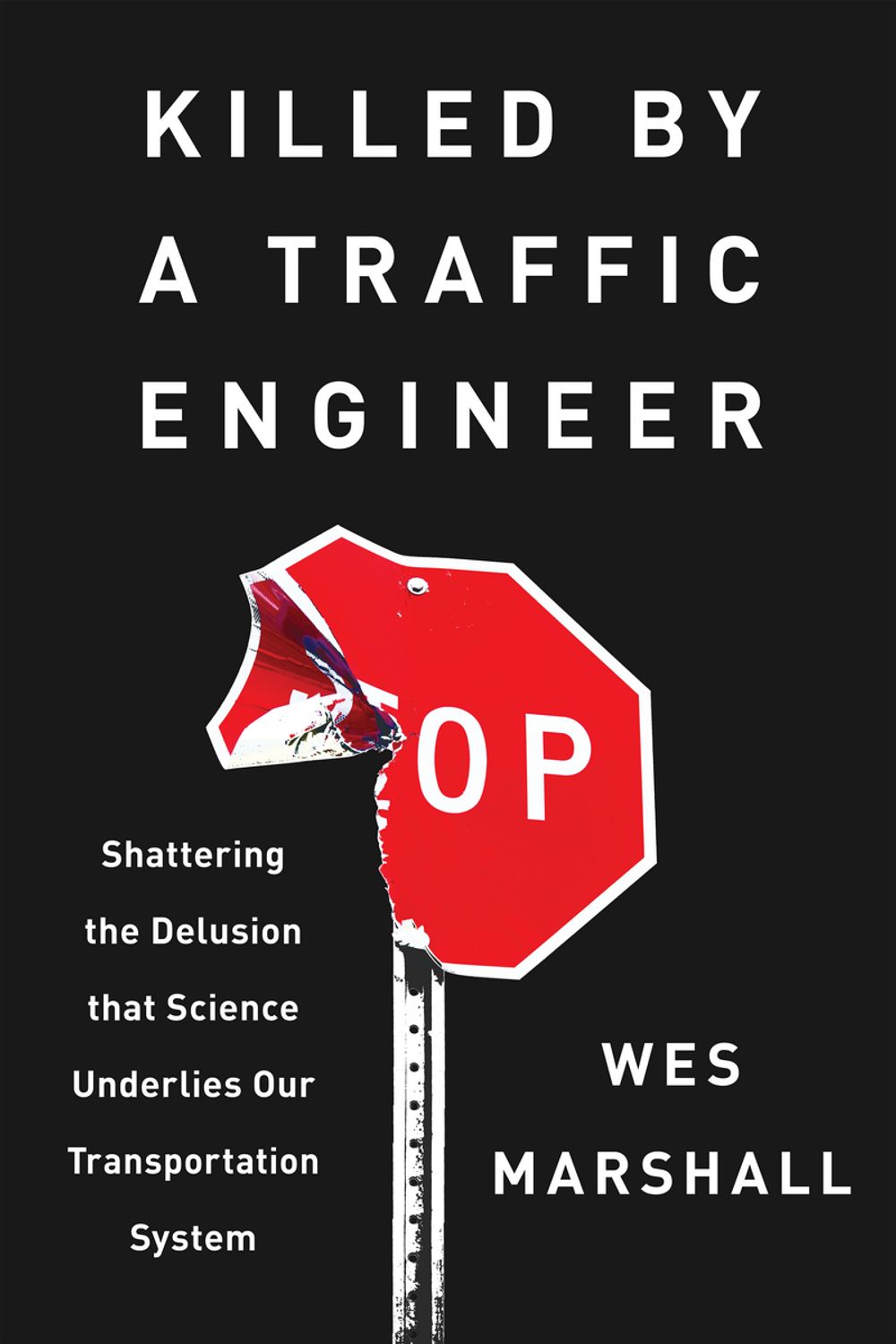



In the US we are nearing four million road deaths since we began counting them in 1899. The numbers are getting worse in recent years, yet we continue to accept these deaths as part of doing business. There has been no examination of why we engineer roads that are literally killing us. Fixing the carnage on our roadways requires a change in mindset and a dramatic transformation of transportation. This goes for traffic engineers in particular because they are still the ones in charge of our streets. In Killed by a Traffic Engineer, civil engineering professor Wes Marshall shines a spotlight on how little science there is behind the way that our streets are engineered, which leaves safety as an afterthought. While traffic engineers are not trying to cause deliberate harm to anyone, he explains, they are guilty of creating a transportation system whose designs remain largely based on plausible, but unproven, conjecture. Thoroughly researched and compellingly written, Killed by a Traffic Engineer shows how traffic engineering “research” is outdated and unexamined (at its best) and often steered by an industry and culture considering only how to get from point A to B the fastest way possible, to the detriment of safety, quality of life, equality, and planetary health. Marshall examines our need for speed and how traffic engineers disconnected it from safety, the focus on capacity and how it influences design, blaming human error, relying on faulty data, how liability drives reporting, measuring road safety outcomes, and the education (and reeducation) of traffic engineers. Killed by a Traffic Engineer is ultimately hopeful about what is possible once we shift our thinking and demand streets engineered for the safety of people, both outside and inside of cars. It will make you look at your city and streets—and traffic engineers— in a new light and inspire you to take action.
-
Autore:
-
Anno edizione:2024
-
Editore:
-
Formato:
-
Lingua:Inglese
Compatibilità:
Tutti i dispositivi (eccetto Kindle) Scopri di più
Layout:
Reflowable
EAN:
9781642833317

Formato:
Gli eBook venduti da Feltrinelli.it sono in formato ePub e possono essere protetti da Adobe DRM. In caso di download di un file protetto da DRM si otterrà un file in formato .acs, (Adobe Content Server Message), che dovrà essere aperto tramite Adobe Digital Editions e autorizzato tramite un account Adobe, prima di poter essere letto su pc o trasferito su dispositivi compatibili.
Cloud:
Gli eBook venduti da Feltrinelli.it sono sincronizzati automaticamente su tutti i client di lettura Kobo successivamente all’acquisto. Grazie al Cloud Kobo i progressi di lettura, le note, le evidenziazioni vengono salvati e sincronizzati automaticamente su tutti i dispositivi e le APP di lettura Kobo utilizzati per la lettura.
Clicca qui per sapere come scaricare gli ebook utilizzando un pc con sistema operativo Windows
