









EBOOK IN LINGUA STRANIERA





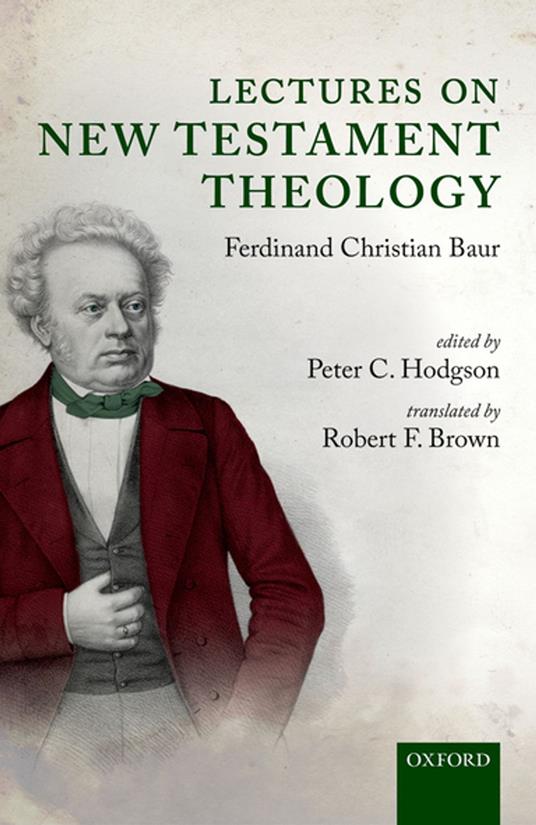
Lectures on New Testament Theology

117,30 €
+1170
punti 
Venditore: Feltrinelli

Acquista online
Scaricabile subito
Articolo acquistabile con Carta del Docente

Articolo acquistabile con Carta Cultura Giovani e Carta del Merito

Articolo acquistabile con Carta della Cultura

Dati e Statistiche
 Salvato in 0 liste dei desideri
Salvato in 0 liste dei desideri
Lectures on New Testament Theology
Scaricabile subito
117,30 €
117,30 €
Scaricabile subito
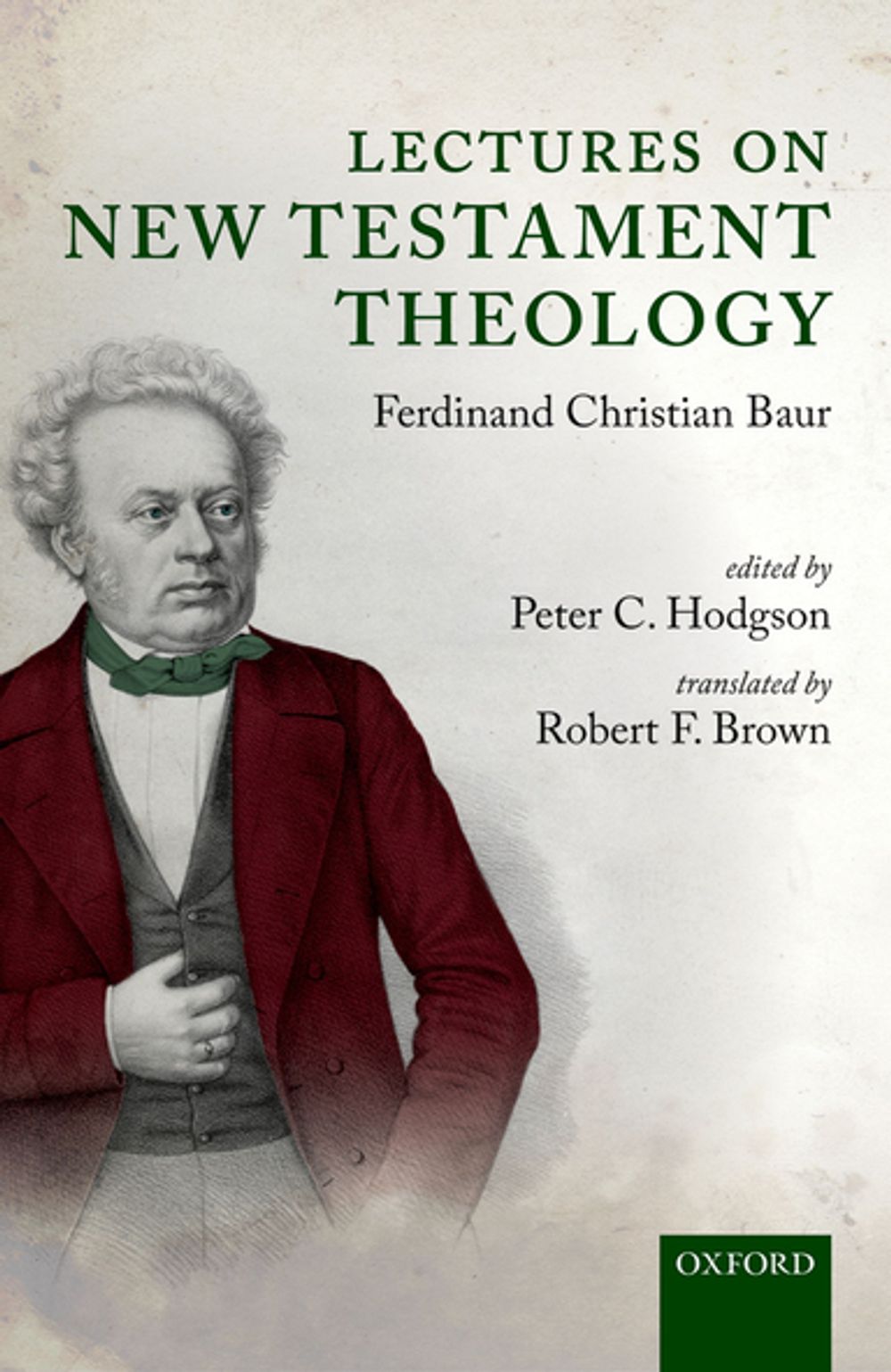


Ferdinand Christian Baur (1792-1860), one of the great innovators in the study of the New Testament, argued that each of its books reflects the interests and tendencies of its author in a particular religio-historical milieu. A critique of the writings must precede any judgments about the historical validity of individual stories about Jesus in the Gospels. Thus Baur could move beyond the impasse created by Strauss's Life of Jesus. Baur demonstrated that the Gospel of John is not a historical document comparable to the Synoptic Gospels and cannot be used to reconstruct the teaching of Jesus, and that the Synoptic Gospels must be read critically and selectively. He applied the same principles to the Epistles, arguing that only four are genuinely Pauline (Galatians, 1 and 2 Corinthians, and Romans). Baur's Lectures on New Testament Theology, delivered in Tübingen during the 1850s, summarize thirty years of his research. The lectures begin with an Introduction on the concept, history, and organization of New Testament theology. Part One is devoted to the teaching of Jesus, which Baur finds most reliably in Matthew. Part Two contains the teaching of the Apostles in three chronological periods. The first period presents the theological frameworks of the Apostle Paul and the Book of Revelation; the second period, the frameworks of Hebrews, the Deutero-Pauline Epistles, James and Peter, the Synoptic Gospels and Acts; and the third period, those of the Pastoral Epistles and the Gospel of John.
-
Traduttore:
-
Curatore:
-
Anno edizione:2016
-
Editore:
-
Formato:
Lingua:
Inglese
Compatibilità:
Tutti i dispositivi (eccetto Kindle) Scopri di più
Layout:
Reflowable
EAN:
9780191069093

Formato:
Gli eBook venduti da Feltrinelli.it sono in formato ePub e possono essere protetti da Adobe DRM. In caso di download di un file protetto da DRM si otterrà un file in formato .acs, (Adobe Content Server Message), che dovrà essere aperto tramite Adobe Digital Editions e autorizzato tramite un account Adobe, prima di poter essere letto su pc o trasferito su dispositivi compatibili.
Cloud:
Gli eBook venduti da Feltrinelli.it sono sincronizzati automaticamente su tutti i client di lettura Kobo successivamente all’acquisto. Grazie al Cloud Kobo i progressi di lettura, le note, le evidenziazioni vengono salvati e sincronizzati automaticamente su tutti i dispositivi e le APP di lettura Kobo utilizzati per la lettura.
Clicca qui per sapere come scaricare gli ebook utilizzando un pc con sistema operativo Windows
