










LIBRO INGLESE





Management of Biological Nitrogen Fixation for the Development of More Productive and Sustainable Agricultural Systems: Extended versions of papers presented at the Symposium on Biological Nitrogen Fixation for Sustainable Agriculture at the 15th Congress of Soil, Acapulco, Mexico, 1994


136,70 €
+1370
punti 
Venditore: Feltrinelli
Articolo acquistabile con Carta del Docente

Articolo acquistabile con Carta Cultura Giovani e Carta del Merito

Articolo acquistabile con Carta della Cultura

Paga con Klarna in 3 rate senza interessi per ordini superiori a 39 €

Dati e Statistiche
 Salvato in 0 liste dei desideri
Salvato in 0 liste dei desideri
Management of Biological Nitrogen Fixation for the Development of More Productive and Sustainable Agricultural Systems: Extended versions of papers presented at the Symposium on Biological Nitrogen Fixation for Sustainable Agriculture at the 15th Congress of Soil, Acapulco, Mexico, 1994
Disponibilità in 2 settimane
136,70 €
136,70 €
Disponibilità in 2 settimane
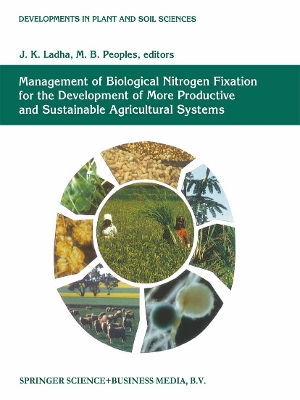


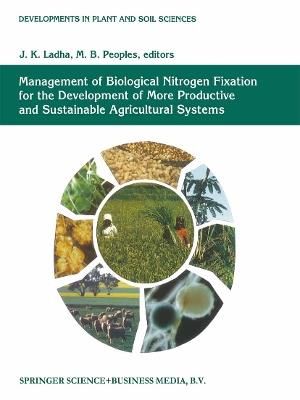
Table 1. Global allocation of arable land between different com modities Globally, cereal cropping dominates cultivated land Commodities' Proportion of land area use (around 50% of total area, Table 1). The remain (%) ing arable land is used for production of oilseed, fibre, or food and cash crops. In addition, vast areas are Cereals maintained under temporary or permanent pasture for Wheat 16 forage production (2-3 fold greater than the total area Rice 10 under cultivation and permanent crop; Table 1, Fig. Maize 9 1). All cultivated crops, except for legumes (pulses All other cereals 13 and legume oil seeds) require the soil to provide rel Total 48 atively large amounts of nitrogen (N). It is necessary for the three most important cereals, wheat (Triticum Legumes aestivum), rice (Oryza sativa) and maize (Zea mays), Legume pulses 5 to take up 20 to 40 kg soil N ha -lover a period of 3 Legume oilseeds 6 to 5 months to satisfy the N requirements of the seed and supporting vegetative structure for each tonne of Total II grain produced (e. g. Fig. 2; Myers, 1988). Produc tive pastures on the other hand may assimilate> 100 Other crops I kg N ha- each annum, of which 50 to 90% will be Other oilseeds 6 consumed by livestock in intensively grazed systems Beverages / Tobacco 7 (Ledgardy, 1991; Thomas, 1995).

Informazioni e Contatti sulla Sicurezza dei Prodotti
Le schede prodotto sono aggiornate in conformità al Regolamento UE 988/2023. Laddove ci fossero taluni dati non disponibili per ragioni indipendenti da Feltrinelli, vi informiamo che stiamo compiendo ogni ragionevole sforzo per inserirli. Vi invitiamo a controllare periodicamente il sito www.lafeltrinelli.it per eventuali novità e aggiornamenti.
Per le vendite di prodotti da terze parti, ciascun venditore si assume la piena e diretta responsabilità per la commercializzazione del prodotto e per la sua conformità al Regolamento UE 988/2023, nonché alle normative nazionali ed europee vigenti.
Per informazioni sulla sicurezza dei prodotti, contattare productsafety@feltrinelli.it
