









EBOOK IN LINGUA STRANIERA





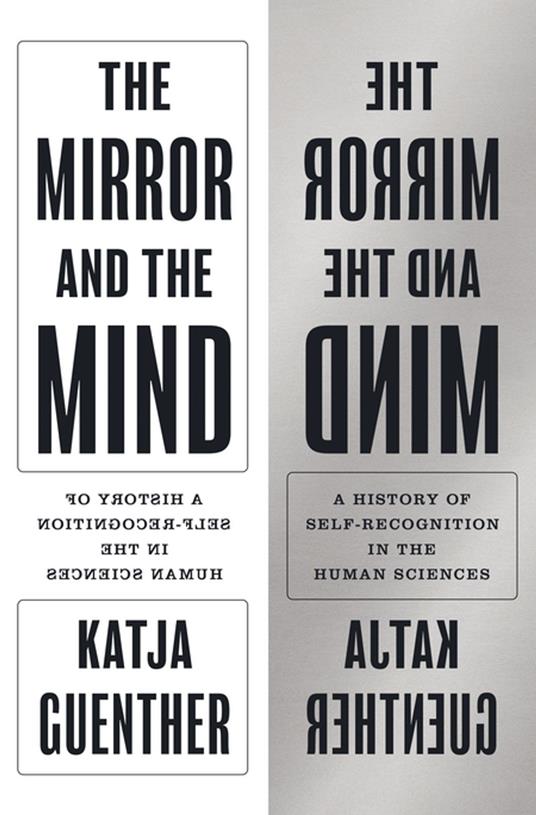
The Mirror and the Mind

24,95 €
+250
punti 
Venditore: Feltrinelli

Acquista online
Scaricabile subito
Articolo acquistabile con Carta del Docente

Articolo acquistabile con Carta Cultura Giovani e Carta del Merito

Articolo acquistabile con Carta della Cultura

Dati e Statistiche
 Salvato in 0 liste dei desideri
Salvato in 0 liste dei desideri
The Mirror and the Mind
Scaricabile subito
24,95 €
24,95 €
Scaricabile subito
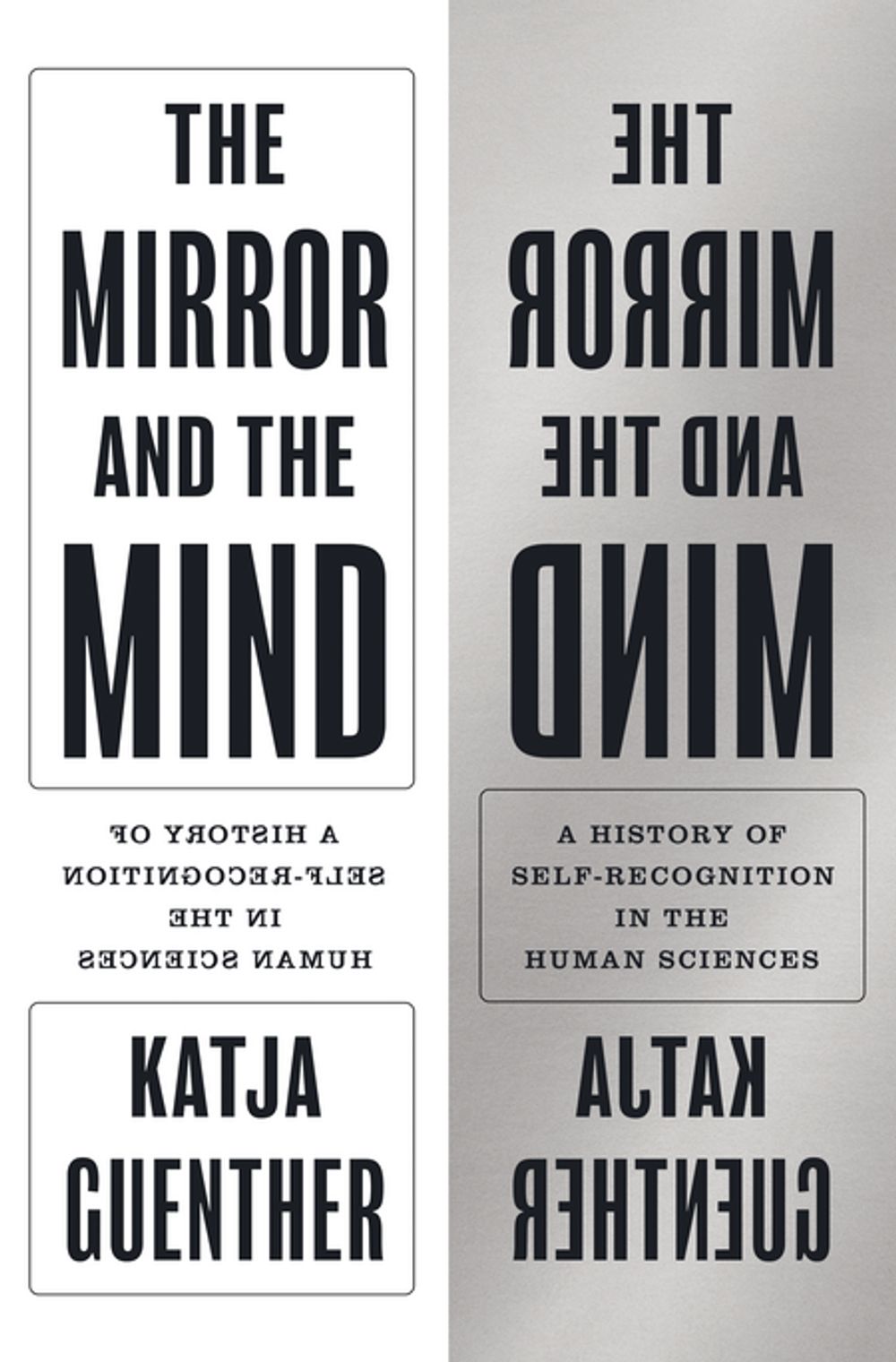


How the classic mirror test served as a portal for scientists to explore questions of self-awareness Since the late eighteenth century, scientists have placed subjects—humans, infants, animals, and robots—in front of mirrors in order to look for signs of self-recognition. Mirrors served as the possible means for answering the question: What makes us human? In The Mirror and the Mind, Katja Guenther traces the history of the mirror self-recognition test, exploring how researchers from a range of disciplines—psychoanalysis, psychiatry, developmental and animal psychology, cybernetics, anthropology, and neuroscience—came to read the peculiar behaviors elicited by mirrors. Investigating the ways mirrors could lead to both identification and misidentification, Guenther looks at how such experiments ultimately failed to determine human specificity. The mirror test was thrust into the limelight when Charles Darwin challenged the idea that language sets humans apart. Thereafter the mirror, previously a recurrent if marginal scientific tool, became dominant in attempts to demarcate humans from other animals. But because researchers could not rely on language to determine what their nonspeaking subjects were experiencing, they had to come up with significant innovations, including notation strategies, testing protocols, and the linking of scientific theories across disciplines. From the robotic tortoises of Grey Walter and the mark test of Beulah Amsterdam and Gordon Gallup, to anorexia research and mirror neurons, the mirror test offers a window into the emergence of such fields as biology, psychology, psychiatry, animal studies, cognitive science, and neuroscience. The Mirror and the Mind offers an intriguing history of experiments in self-awareness and the advancements of the human sciences across more than a century.
-
Autore:
-
Anno edizione:2022
-
Editore:
-
Formato:
-
Lingua:Inglese
Compatibilità:
Tutti i dispositivi (eccetto Kindle) Scopri di più
Layout:
Reflowable
EAN:
9780691237268

Formato:
Gli eBook venduti da Feltrinelli.it sono in formato ePub e possono essere protetti da Adobe DRM. In caso di download di un file protetto da DRM si otterrà un file in formato .acs, (Adobe Content Server Message), che dovrà essere aperto tramite Adobe Digital Editions e autorizzato tramite un account Adobe, prima di poter essere letto su pc o trasferito su dispositivi compatibili.
Cloud:
Gli eBook venduti da Feltrinelli.it sono sincronizzati automaticamente su tutti i client di lettura Kobo successivamente all’acquisto. Grazie al Cloud Kobo i progressi di lettura, le note, le evidenziazioni vengono salvati e sincronizzati automaticamente su tutti i dispositivi e le APP di lettura Kobo utilizzati per la lettura.
Clicca qui per sapere come scaricare gli ebook utilizzando un pc con sistema operativo Windows
