









AUDIOLIBRO IN LINGUA STRANIERA





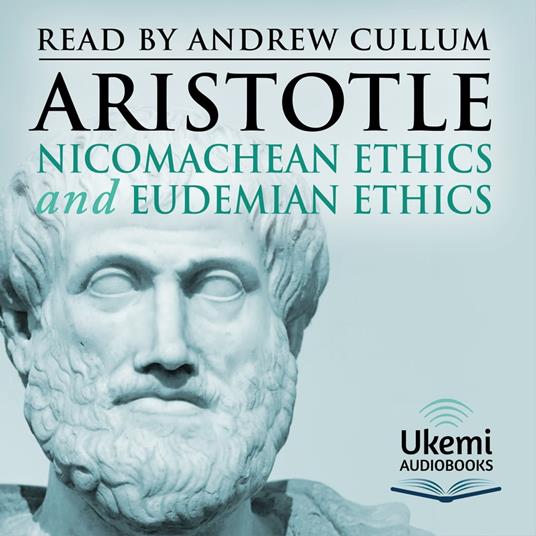
Nicomachean Ethics and Eudemian Ethics

18,97 €
+190
punti 
Venditore: Feltrinelli

Acquista online
Disponibile su APP ed eReader Kobo
Articolo acquistabile con Carta del Docente

Articolo acquistabile con Carta Cultura Giovani e Carta del Merito

Articolo acquistabile con Carta della Cultura

Abbonati a Kobo plus per avere accesso illimitato a questo contenuto
Dati e Statistiche
 Salvato in 0 liste dei desideri
Salvato in 0 liste dei desideri
Nicomachean Ethics and Eudemian Ethics
Disponibile su APP ed eReader Kobo
18,97 €
18,97 €
Disponibile su APP ed eReader Kobo
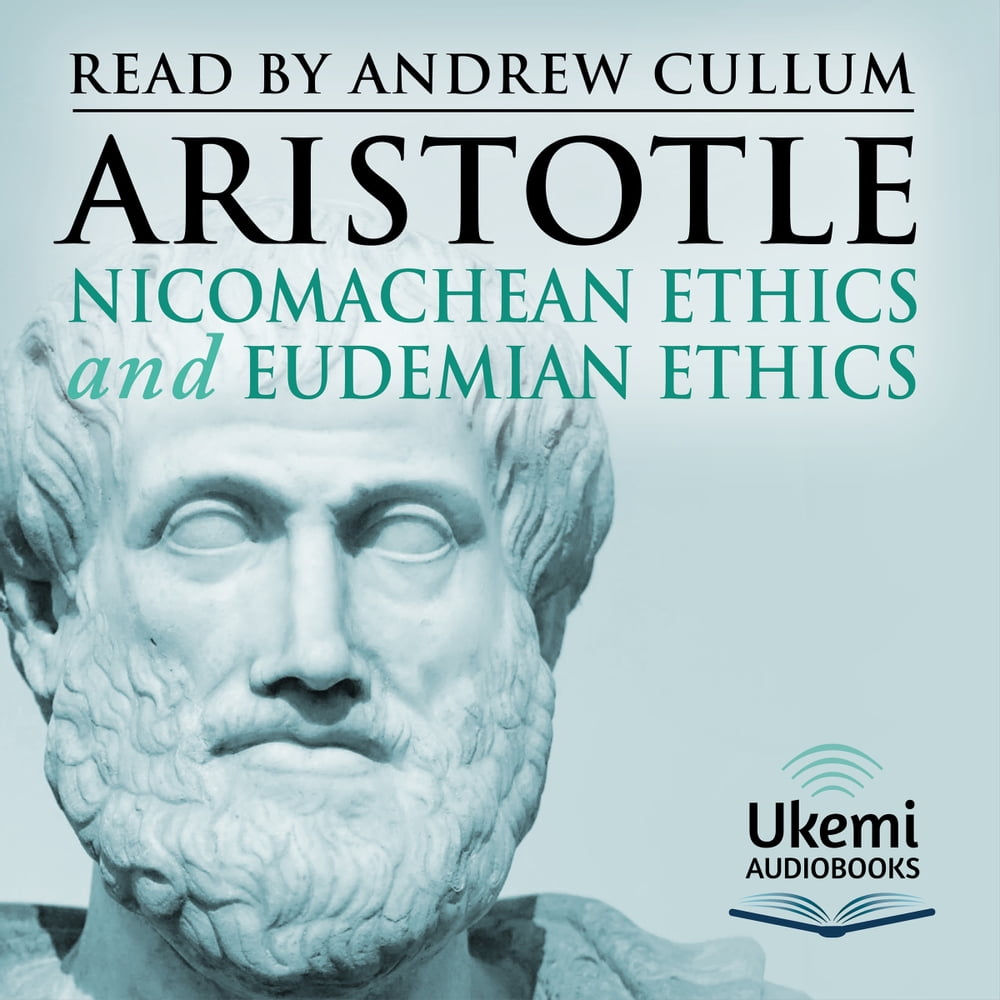


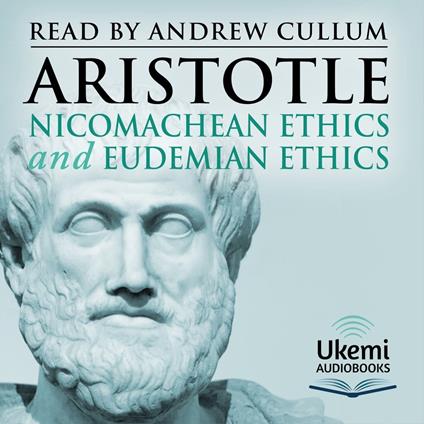
Aristotle’s Nicomachean Ethics and Eudemian Ethics represent, in many ways, the Western classical springboard for the systematic study and implementation of ethics, the optimum behaviour of the individual. (By contrast, Aristotle’s Politics concerns the optimum blueprint for the city-state.) It is in the hands of each individual, he argues in these books on personal ethics, to develop a character which bases a life on virtue, with positive but moderate habits. The Nicomachean Ethics, the primary work (the title is said to come from his son Nicomachus and is generally regarded as having been essentially notes for lectures), is divided into 10 books. It opens with a statement on who should study ethics and why and that the pursuance of moral virtue leads to happiness. Courage, temperance, magnanimity, honesty and friendship are among the many qualities considered. Aristotle also outlines some of the obstacles to developing virtue. Throughout, the emphasis is placed on the practical advantages of developing positive ethics – this is practical philosophy. The Eudemian Ethics (named after a pupil of Aristotle, Eudemus of Rhodes) is a shorter work, and in fact its chapters four, five and six are identical to chapters five, six and seven in the Nicomachean Ethics. (They are not replicated in this recording of the Eudemian Ethics.) It is now widely felt by scholars that this work preceded the Nicomachean Ethics and therefore offers Aristotle’s earlier thoughts on the subject. Despite the similarities, the Eudemian Ethics contains other material (the virtue of ‘mildness’ appears) and places different emphases or expansions in certain areas; for example, it offers a particularly detailed consideration of the key concepts of virtue, wisdom and pleasure. In both these important books, the characteristically clear and systematic manner with which Aristotle deals with the whole question of ethics makes an audio recording especially accessible. The works are read with a persuasive clarity by Andrew Cullum. Nicomachean Ethics translation: W D Ross. Eudemian Ethics translation: H. Rackham.
-
Autore:
-
Durata in (hh:mm:ss):14:42:28
-
Anno edizione:2018
-
Editore:
Lingua:
Inglese
EAN:
9781004133581

Formato:
Gli Audiolibri venduti dal nostro sito sono in formato MP3 e protetti da un DRM proprietario Kobo.
Compatibilità:
Gli Audiolibri venduti dal nostro sito possono essere ascoltati sul tuo smartphone o tablet tramite la APP gratuita Kobo Books scaricabile da iOS o Android. Gli Audiolibri non possono essere scaricati in locale o trasferiti su un client di ascolto diverso da quello fornito tramite Kobo. Non è possibile ascoltare gli audiolibri con la Kobo APP Desktop. Puoi ascoltare gli Audiolibri tramite determinati eReader Kobo, utilizzando cuffie o casse con Bluetooth. Visita la pagina degli eReader per avere maggiori dettagli.
Cloud:
Gli Audiolibri venduti singolarmente dal nostro sito sono immediatamente sincronizzati sul tuo account personale in automatico. Successivamente all'acquisto, sono subito disponibili all'ascolto tramite i client di lettura Kobo compatibili.
Clicca qui servissero ulteriori informazioni
