









EBOOK IN LINGUA STRANIERA





Novel Environments

65,09 €
+650
punti 
Venditore: Feltrinelli

Acquista online
Scaricabile subito
Articolo acquistabile con Carta del Docente

Articolo acquistabile con Carta Cultura Giovani e Carta del Merito

Articolo acquistabile con Carta della Cultura

Dati e Statistiche
 Salvato in 0 liste dei desideri
Salvato in 0 liste dei desideri
Novel Environments
Scaricabile subito
65,09 €
65,09 €
Scaricabile subito
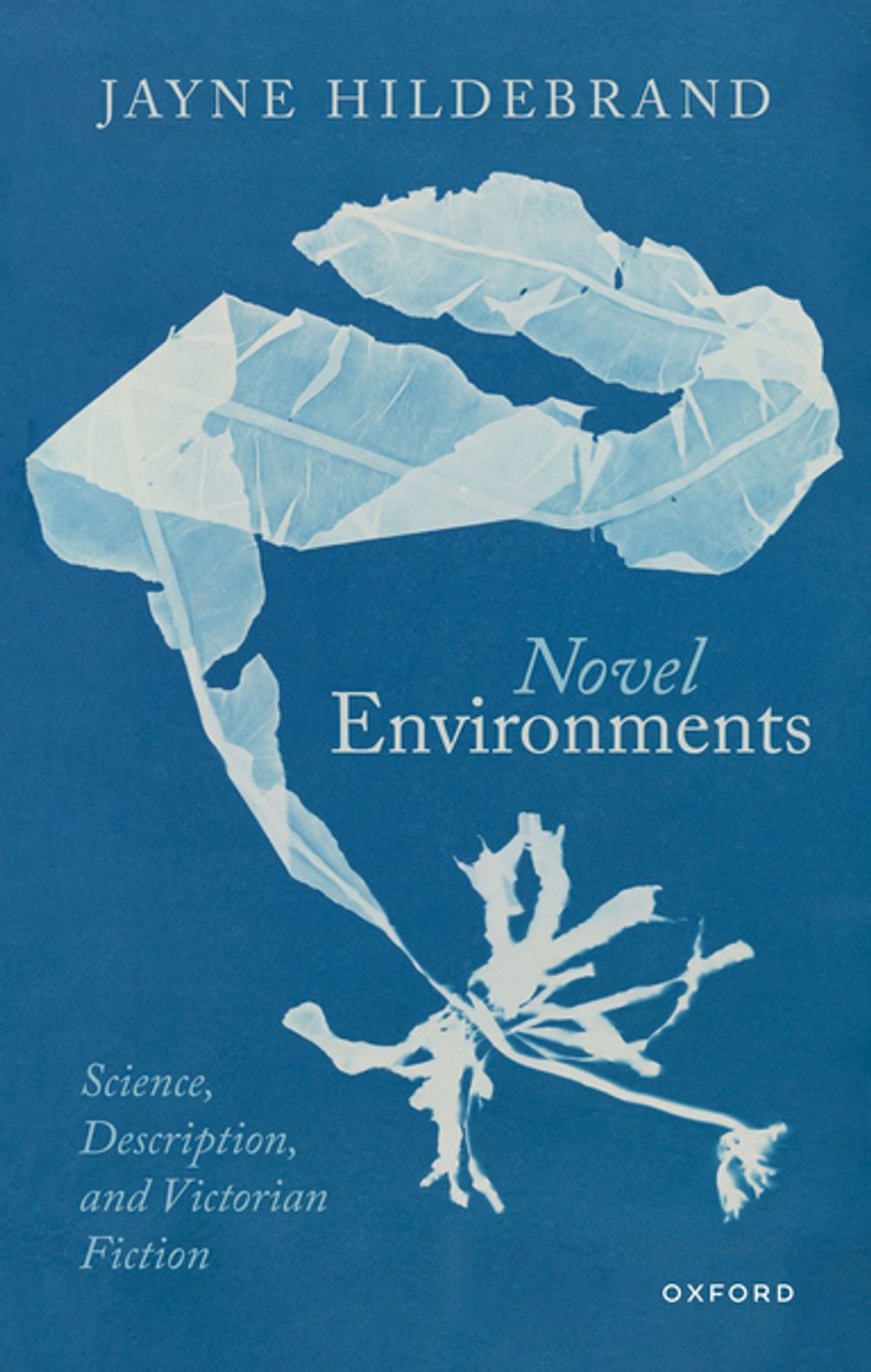


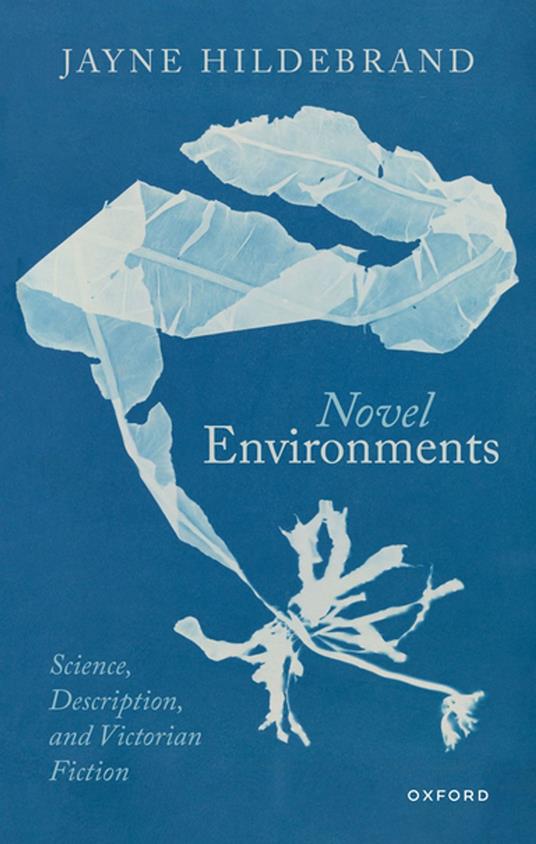
The environment concept has shaped humanity's relationship to the natural world and has drawn attention to the effects of human actions on our natural surroundings. But when did we learn that we live in an environment? While scholars have often located the emergence of the environment concept in twentieth-century ecological and political thought, Novel Environments: Science, Description, and Victorian Fiction reconstructs a longer—and a specifically literary—history. It was in the descriptive worldmaking of the Victorian novel that the environment was first transformed from an abstraction into a vivid object of imagination and feeling. Engaging the scientific theories of their contemporaries, Mary Russell Mitford, George Eliot, Thomas Hardy, and Robert Louis Stevenson turned to detailed description—from gardens and landscapes to weather and atmospheres-to model interactions between life and its surroundings. Far from merely furnishing static background, the descriptive apparatus of the Victorian novel imagined the nonhuman environment as dynamically involved with human action, feeling, and development. In making this argument, Novel Environments recovers the scientific vocabulary the Victorians used to name the surroundings of living organisms. The word "environment" dominates our own way of speaking about the nonhuman world, but nineteenth-century scientific writers and novelists availed themselves of a richer conceptual lexicon, which included "environment" along with less familiar concepts such as "milieu," "medium," and "circumstance." Jayne Hildebrand traces the development of Victorian environmental thought from the earliest theorization of physical surroundings as a dynamic influence in the life sciences, through the idea of a singular "medium" in mid-century organicism, to the conception of the planet as an environmental system at the fin-de-siècle. By showing how novelistic description helped to produce the modern environment concept, Hildebrand sheds new light on the relationship between Victorian literature and the life sciences, and reveals how literary form has shaped the ecological ideas through which we apprehend the nonhuman world.
-
Autore:
-
Anno edizione:2023
-
Editore:
-
Formato:
-
Lingua:Inglese
Compatibilità:
Tutti i dispositivi (eccetto Kindle) Scopri di più
Layout:
Reflowable
EAN:
9780192888488

Formato:
Gli eBook venduti da Feltrinelli.it sono in formato ePub e possono essere protetti da Adobe DRM. In caso di download di un file protetto da DRM si otterrà un file in formato .acs, (Adobe Content Server Message), che dovrà essere aperto tramite Adobe Digital Editions e autorizzato tramite un account Adobe, prima di poter essere letto su pc o trasferito su dispositivi compatibili.
Cloud:
Gli eBook venduti da Feltrinelli.it sono sincronizzati automaticamente su tutti i client di lettura Kobo successivamente all’acquisto. Grazie al Cloud Kobo i progressi di lettura, le note, le evidenziazioni vengono salvati e sincronizzati automaticamente su tutti i dispositivi e le APP di lettura Kobo utilizzati per la lettura.
Clicca qui per sapere come scaricare gli ebook utilizzando un pc con sistema operativo Windows
