










EBOOK IN LINGUA STRANIERA





Phyto and Rhizo Remediation

84,23 €
+840
punti 
Venditore: Feltrinelli

Acquista online
Scaricabile subito
Articolo acquistabile con Carta del Docente

Articolo acquistabile con Carta Cultura Giovani e Carta del Merito

Articolo acquistabile con Carta della Cultura

Dati e Statistiche
 Salvato in 0 liste dei desideri
Salvato in 0 liste dei desideri
Phyto and Rhizo Remediation
Scaricabile subito
84,23 €
84,23 €
Scaricabile subito
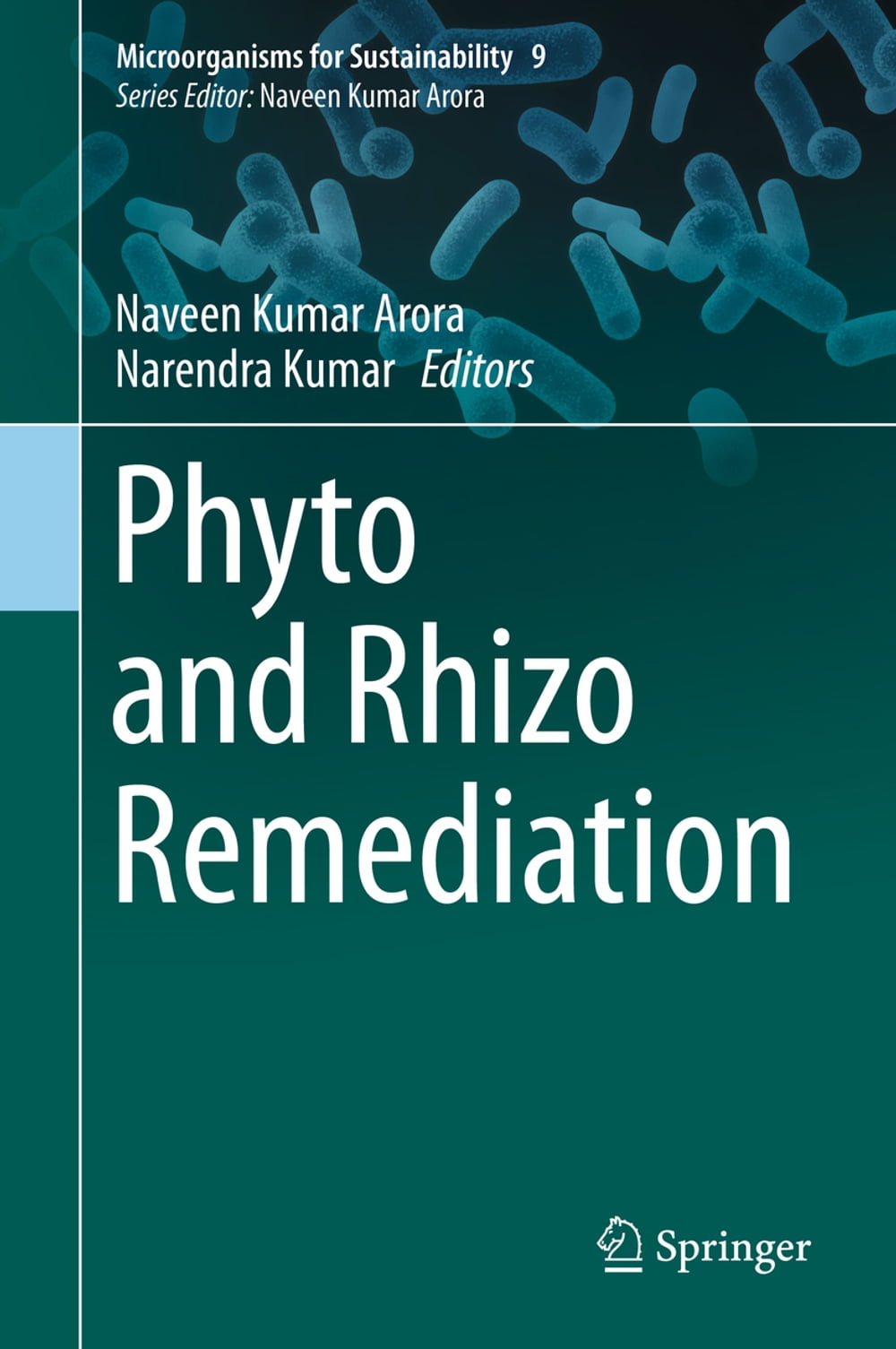



The increasing human population and the associated activities have negatively influenced the ecosystems and life on earth. The continuous addition of agrochemicals, heavy metals and industrial wastes/ effluents in the ecosystems have caused great harm, including loss of productivity, biodiversity, climate change and diseases in plants, animals and humans, resulting in increased marginal lands and endangered sustainability of life on earth. Hence, there is an urgent need to reverse the impact of dangerous pollutants through a holistic, sustainable and biotic approach. Bioremediation involves the utilization of biological systems, mainly plants (phytoremediation) or microorganisms or both in combination (rhizoremediation) for the removal or degradation of pollutants and revive the habitats in an eco-friendly manner. Recently, there have been many success stories related to bioremediation involving plants or plant-microbe interactions. These success stories are related to the removal of heavy metals, pesticides, polyaromatic hydrocarbons, explosives, radionuclides or reduction of biological oxygen demand, total dissolved solids, total suspended solids, oil spills in water bodies. Rhizoremediation has also been successfully used for reclamation of saline or marginal soils. With the range of pollutants and the total area (on earth) covered by these toxic chemicals, it is important that these eco-friendly technologies be utilized in a better way. The book throws light on the recent happenings, research and success stories related to bioremediation of polluted habitats through phytoremediation or rhizoremediation. The book also highlights some of the significantly important plant and microbial species involved in remediation, the physiology, biochemistry and the mechanisms of remediation by various plants and microbes, and suggestions for future improvement of bioremediation technology.
-
Curatore:
-
Anno edizione:2019
-
Editore:
-
Formato:
Lingua:
Inglese
Compatibilità:
Tutti i dispositivi (eccetto Kindle) Scopri di più
Layout:
Reflowable
EAN:
9789813296640

Formato:
Gli eBook venduti da Feltrinelli.it sono in formato ePub e possono essere protetti da Adobe DRM. In caso di download di un file protetto da DRM si otterrà un file in formato .acs, (Adobe Content Server Message), che dovrà essere aperto tramite Adobe Digital Editions e autorizzato tramite un account Adobe, prima di poter essere letto su pc o trasferito su dispositivi compatibili.
Cloud:
Gli eBook venduti da Feltrinelli.it sono sincronizzati automaticamente su tutti i client di lettura Kobo successivamente all’acquisto. Grazie al Cloud Kobo i progressi di lettura, le note, le evidenziazioni vengono salvati e sincronizzati automaticamente su tutti i dispositivi e le APP di lettura Kobo utilizzati per la lettura.
Clicca qui per sapere come scaricare gli ebook utilizzando un pc con sistema operativo Windows
