










EBOOK IN LINGUA STRANIERA





Practical Guide to Diagnosing Structural Movement in Buildings

41,99 €
+420
punti 
Venditore: Feltrinelli

Acquista online
Scaricabile subito
Articolo acquistabile con Carta del Docente

Articolo acquistabile con Carta Cultura Giovani e Carta del Merito

Articolo acquistabile con Carta della Cultura

Dati e Statistiche
 Salvato in 0 liste dei desideri
Salvato in 0 liste dei desideri
Practical Guide to Diagnosing Structural Movement in Buildings
Scaricabile subito
41,99 €
41,99 €
Scaricabile subito

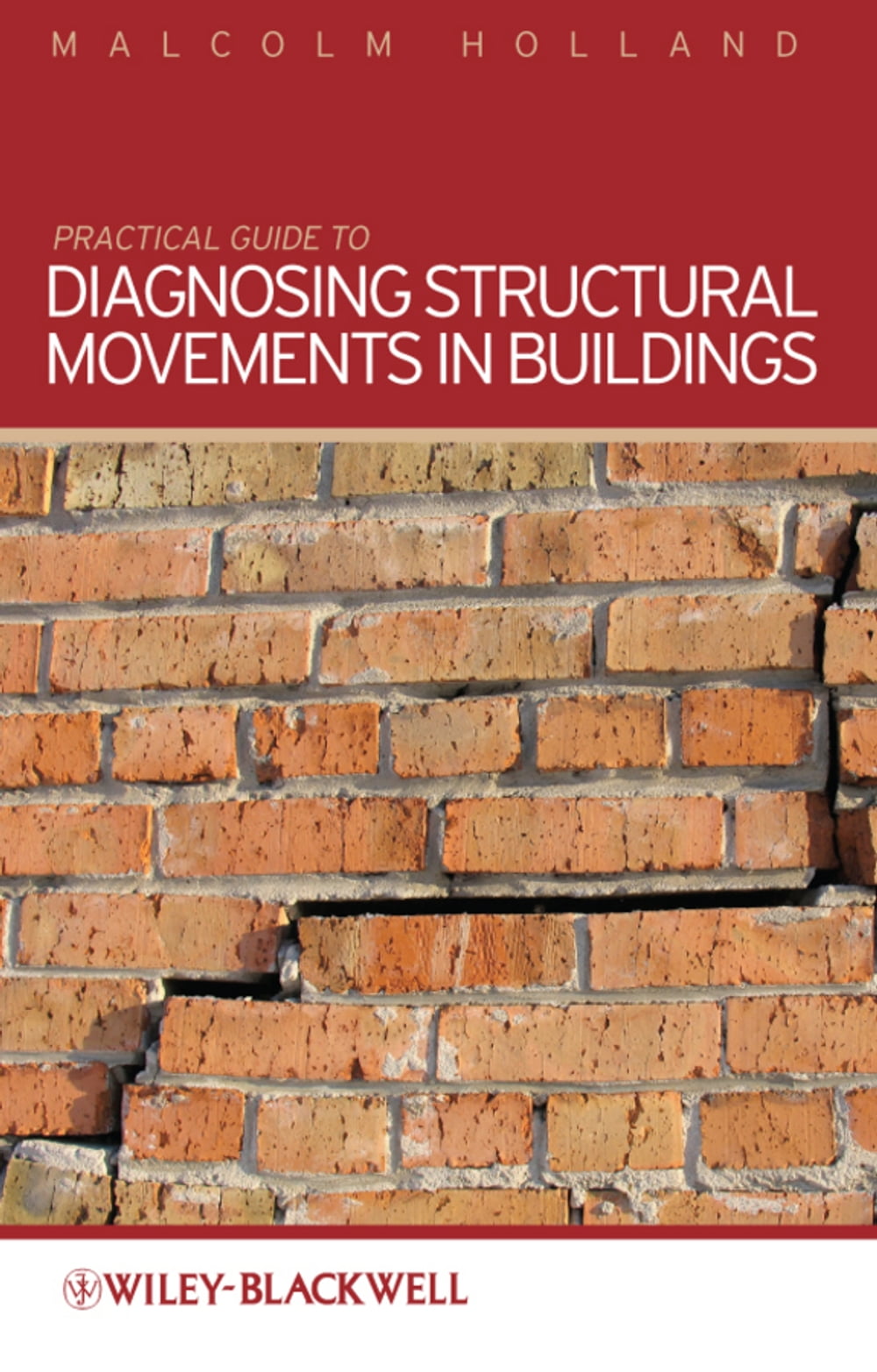



"What's the Crack?" When cracking is observed in a building the most common reaction is that it must be the foundations and that it must be serious. Many surveyors are nervous about diagnosing cracks. This is understandable, as the interpretation of cracks can be difficult to teach, with university courses providing little or no time for field experience. Yet by understanding one straightforward principle the majority of cracks can be diagnosed in just a few minutes. Linking this with a good knowledge of construction techniques, the factors that distort cracking patterns and the key features of common causes of cracking, almost all cracks can be diagnosed quickly and with confidence. Practical Guide to Diagnosing Structural Movement in Buildings provides a methodology by which cracks and movement in buildings can be diagnosed. Written in four parts, part one describes the key principles of movement and cracking. Parts two and three describe the main features of common forms of movement and the associated crack patterns. Part two covers causes other than ground or foundation movement and part three covers movement caused by ground or foundation problems. Part four briefly describes the techniques used to arrest further movement or repair damage cause by movement. Primarily intended for the relatively inexperienced surveyor or engineer and undergraduate students of surveying as a practical guide for use on site, it focuses on identification and diagnosis. It will not only help in correctly diagnosing the problem but it will also demonstrate a methodical approach to show and record how the diagnosis was reached – critical when giving advice to third parties. "What's the crack?" - In the vast majority of cases it's not foundation related and in most cases it's not indicating a serious defect.
-
Autore:
-
Anno edizione:2012
-
Editore:
-
Formato:
-
Lingua:Inglese
Compatibilità:
Tutti i dispositivi (eccetto Kindle) Scopri di più
Layout:
Reflowable
EAN:
9781118250372

Formato:
Gli eBook venduti da Feltrinelli.it sono in formato ePub e possono essere protetti da Adobe DRM. In caso di download di un file protetto da DRM si otterrà un file in formato .acs, (Adobe Content Server Message), che dovrà essere aperto tramite Adobe Digital Editions e autorizzato tramite un account Adobe, prima di poter essere letto su pc o trasferito su dispositivi compatibili.
Cloud:
Gli eBook venduti da Feltrinelli.it sono sincronizzati automaticamente su tutti i client di lettura Kobo successivamente all’acquisto. Grazie al Cloud Kobo i progressi di lettura, le note, le evidenziazioni vengono salvati e sincronizzati automaticamente su tutti i dispositivi e le APP di lettura Kobo utilizzati per la lettura.
Clicca qui per sapere come scaricare gli ebook utilizzando un pc con sistema operativo Windows
