









LIBRO INGLESE





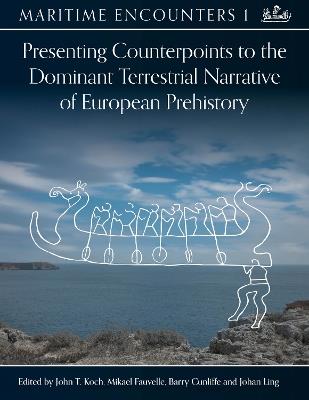
Presenting Counterpoints to the Dominant Terrestrial Narrative of European Prehistory

68,75 €
+690
punti 
Venditore: Feltrinelli
Articolo acquistabile con Carta del Docente

Articolo acquistabile con Carta Cultura Giovani e Carta del Merito

Articolo acquistabile con Carta della Cultura

Paga con Klarna in 3 rate senza interessi per ordini superiori a 39 €

Dati e Statistiche
 Salvato in 0 liste dei desideri
Salvato in 0 liste dei desideri
Presenting Counterpoints to the Dominant Terrestrial Narrative of European Prehistory
Disponibile in 5 gg lavorativi
68,75 €
68,75 €
Disponibile in 5 gg lavorativi
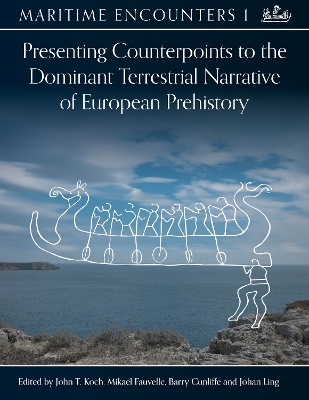


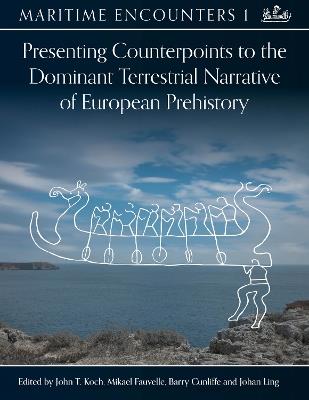
This book is the first in the multi-author series Maritime Encounters, outputs of the major six-year (2022–2028) international research initiative, funded by Sweden’s central bank. Our programme is based on a maritime perspective, a counterpoint to prevailing land-based vantages on Europe’s prehistory. In the Maritime Encounters project a highly international cross-disciplinary team has embarked on a diverse range of research goals to provide a more detailed and nuanced story of how prehistoric societies realised major and minor sea crossings, organised long-distance exchange, and adapted to ways of life by the sea in prehistory. Recent advances with ancient DNA have brought migration back into archaeological explanation, but little attention has been paid to maritime aspects of these movements or the maritime legacies inherited from indigenous cultures. The formation of the populations, cultures, and languages of Europe are now seen largely as consequences of three great prehistoric migrations: hunter-gatherers repopulating the post-glacial landscape, followed by farmers spreading from Anatolia, and then Indo-European-speaking pastoralists from the steppe. There is a significant gap in this current model that we sense most acutely in Scandinavia and the British Isles. Unanswered questions include: How these groups reached the islands and peninsulas of Atlantic Europe? What types of boats were used? How many people and animals could they carry? To what extent did indigenous coastal peoples contribute traditions and knowledge of boats, boat building, seaways, navigation, and subsistence in coastal environments? How was the long-distance trade in metals organised during the European Bronze Age? And what was the impact of this seacrossing network on the cultures, languages, and populations of the producers and consumers of bronze?
-
Curatore:
-
Editore:
-
Anno:2025
-
Rilegatura:Hardback
Pagine:
240 p.
Testo in English
Dimensioni:
280 x 216 mm
EAN:
9798888571842

Informazioni e Contatti sulla Sicurezza dei Prodotti
Le schede prodotto sono aggiornate in conformità al Regolamento UE 988/2023. Laddove ci fossero taluni dati non disponibili per ragioni indipendenti da Feltrinelli, vi informiamo che stiamo compiendo ogni ragionevole sforzo per inserirli. Vi invitiamo a controllare periodicamente il sito www.lafeltrinelli.it per eventuali novità e aggiornamenti.
Per le vendite di prodotti da terze parti, ciascun venditore si assume la piena e diretta responsabilità per la commercializzazione del prodotto e per la sua conformità al Regolamento UE 988/2023, nonché alle normative nazionali ed europee vigenti.
Per informazioni sulla sicurezza dei prodotti, contattare productsafety@feltrinelli.it
