









EBOOK IN LINGUA STRANIERA





Product Lifecycle Management (Volume 2)

102,95 €
+1030
punti 
Venditore: Feltrinelli

Acquista online
Scaricabile subito
Articolo acquistabile con Carta del Docente

Articolo acquistabile con Carta Cultura Giovani e Carta del Merito

Articolo acquistabile con Carta della Cultura

Dati e Statistiche
 Salvato in 0 liste dei desideri
Salvato in 0 liste dei desideri
Product Lifecycle Management (Volume 2)
Scaricabile subito
102,95 €
102,95 €
Scaricabile subito

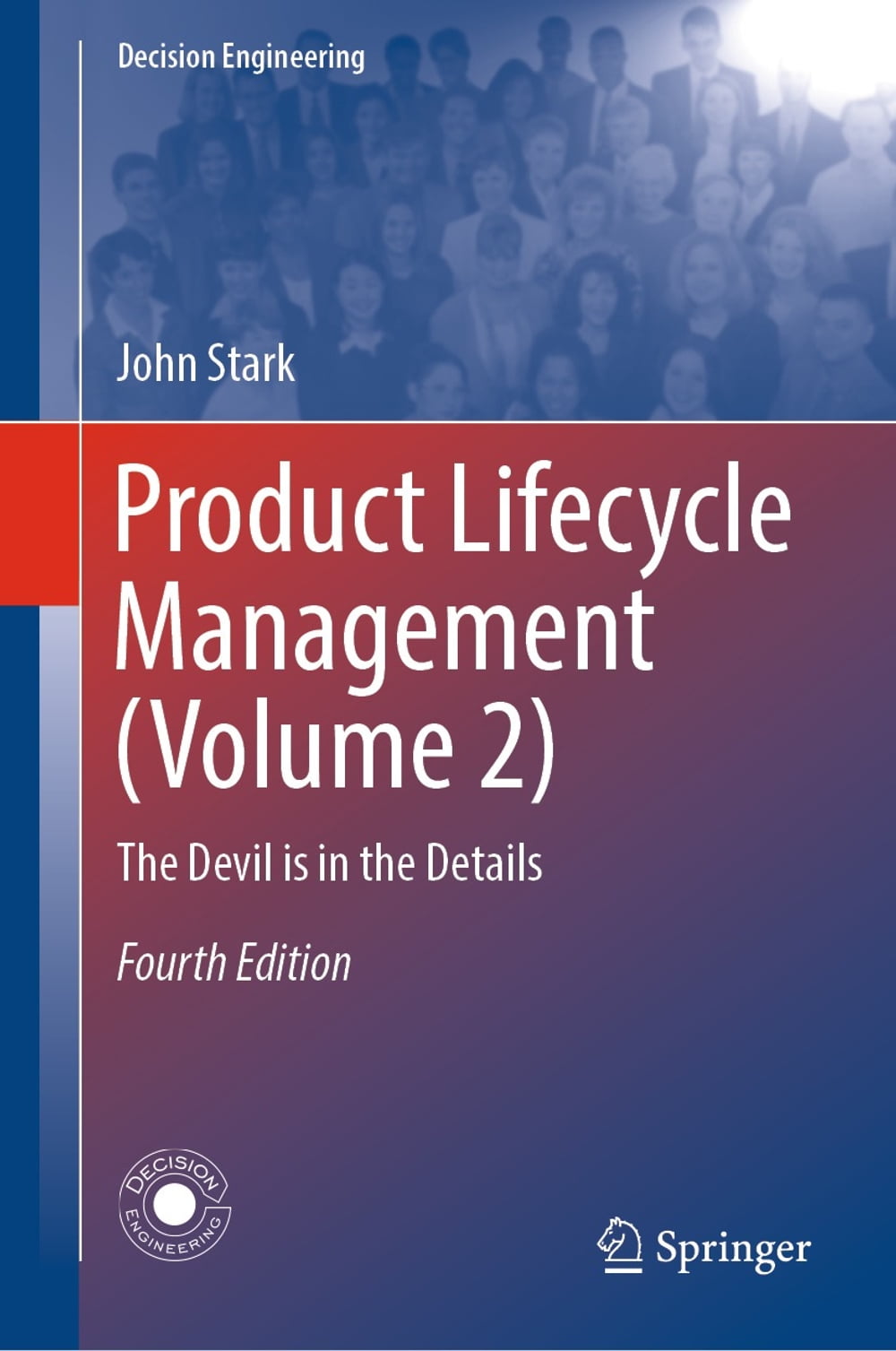


This book moves beyond a general introduction to Product Lifecycle Management (PLM) and its basic elements to provide a more in-depth analysis of the subjects introduced in Volume 1 (Product Lifecycle Management: 21st Century Paradigm for Product Realisation). After providing insights into the emergence of PLM and the opportunities that it offers, key concepts such as the PLM Grid and the PLM Paradigm are introduced along with the 10 main components of PLM: objectives and metrics; management and organization; business processes; people; product data; PDM systems; other PLM applications; facilities and equipment; methods; and products. The book provides industry examples and best practices. This new edition updates the previous edition of this book, reflecting the growth of PLM over the past decade of business and technological change. It concludes by showing readers how to implement and use PLM successfully. It outlines the phases of a PLM Initiative: development of PLM vision and strategy; documentation of the current situation; description of future scenarios; development of implementation strategies and plans taking account of the need for Organisational Change Management; implementation and use. The main activities, tasks, methods, timing, and tools of the different phases of implementation are described. John Stark started working in product development in 1979. In the 1980s and 1990s, he worked in Computer-Aided Design/Computer-Aided Manufacturing (CAD/CAM), Engineering Data Management (EDM), Product Data Management (PDM), and Business Process Improvement. He has worked as a PLM consultant since 2001, and has experience with more than 100 companies in 20 countries across a range of manufacturing industry sectors. His PLM courses are taken throughout the world.
-
Autore:
-
Anno edizione:2024
-
Editore:
-
Formato:
-
Lingua:Inglese
Compatibilità:
Tutti i dispositivi (eccetto Kindle) Scopri di più
Layout:
Reflowable
EAN:
9783031506581

Formato:
Gli eBook venduti da Feltrinelli.it sono in formato ePub e possono essere protetti da Adobe DRM. In caso di download di un file protetto da DRM si otterrà un file in formato .acs, (Adobe Content Server Message), che dovrà essere aperto tramite Adobe Digital Editions e autorizzato tramite un account Adobe, prima di poter essere letto su pc o trasferito su dispositivi compatibili.
Cloud:
Gli eBook venduti da Feltrinelli.it sono sincronizzati automaticamente su tutti i client di lettura Kobo successivamente all’acquisto. Grazie al Cloud Kobo i progressi di lettura, le note, le evidenziazioni vengono salvati e sincronizzati automaticamente su tutti i dispositivi e le APP di lettura Kobo utilizzati per la lettura.
Clicca qui per sapere come scaricare gli ebook utilizzando un pc con sistema operativo Windows
