









EBOOK IN LINGUA STRANIERA





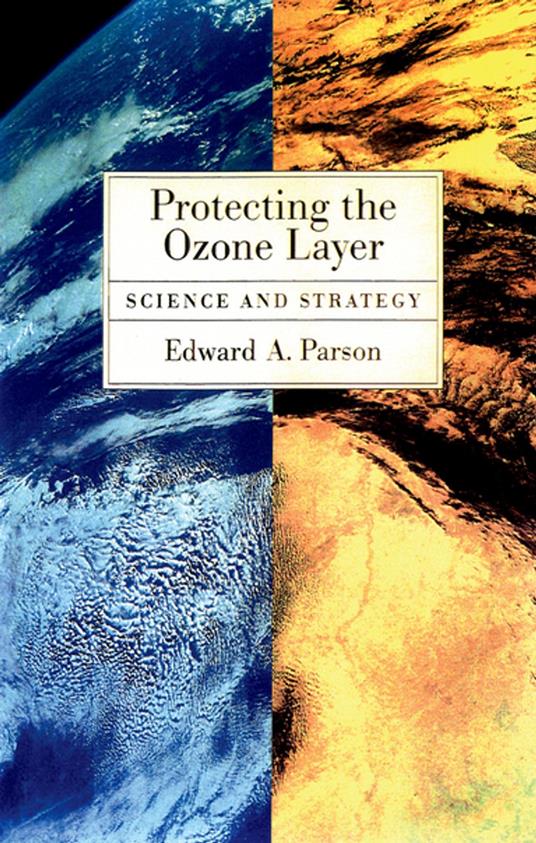
Protecting the Ozone Layer

93,28 €
+930
punti 
Venditore: Feltrinelli

Acquista online
Scaricabile subito
Articolo acquistabile con Carta del Docente

Articolo acquistabile con Carta Cultura Giovani e Carta del Merito

Articolo acquistabile con Carta della Cultura

Dati e Statistiche
 Salvato in 0 liste dei desideri
Salvato in 0 liste dei desideri
Protecting the Ozone Layer
Scaricabile subito
93,28 €
93,28 €
Scaricabile subito





This book is the first comprehensive history of international efforts to protect the ozone layer, the greatest success yet achieved in managing human impacts on the global environment. Its arguments about how this success was achieved are both theoretically novel and of great significance for the management of other global problems, particularly global climate change. The book provides an account of the ozone-depletion issues from the first attempts to develop international action in the 1970s to the mature functioning of the present international regime. It examines the parallel developments of politics and negotiations, scientific understanding and controversy, technological progress, and industry strategy that shaped the issue's development and its effective management. In addition, the book offers important new insights into how the interactions among these domains influenced the formation and adaptation of the ozone regime. Addressing the initial formation of the regime, the book argues that authoritative scientific assessments were crucial in constraining policy debates and shaping negotiated agreements. Assessments gave scientific claims an ability to change policy actors' behavior that the claims themselves, however well known and verified, lacked. Concerning subsequent adaptation of the regime, the book identifies a series of feedbacks between the periodic revision of chemical controls and the strategic responses of affected industries, which drove rapid application of new approaches to reduce ozone-depleting chemicals. These feedbacks, promoted by the regime's novel technology assessment process, allowed worldwide use of the chemicals to decline further and faster than even the boldest predictions, by nearly 95 percent within ten years.
-
Autore:
-
Anno edizione:2003
-
Editore:
-
Formato:
-
Lingua:Inglese
Compatibilità:
Tutti i dispositivi (eccetto Kindle) Scopri di più
Layout:
Reflowable
EAN:
9780190288716

Formato:
Gli eBook venduti da Feltrinelli.it sono in formato ePub e possono essere protetti da Adobe DRM. In caso di download di un file protetto da DRM si otterrà un file in formato .acs, (Adobe Content Server Message), che dovrà essere aperto tramite Adobe Digital Editions e autorizzato tramite un account Adobe, prima di poter essere letto su pc o trasferito su dispositivi compatibili.
Cloud:
Gli eBook venduti da Feltrinelli.it sono sincronizzati automaticamente su tutti i client di lettura Kobo successivamente all’acquisto. Grazie al Cloud Kobo i progressi di lettura, le note, le evidenziazioni vengono salvati e sincronizzati automaticamente su tutti i dispositivi e le APP di lettura Kobo utilizzati per la lettura.
Clicca qui per sapere come scaricare gli ebook utilizzando un pc con sistema operativo Windows
