










EBOOK IN LINGUA STRANIERA





Quantum Computing in Cybersecurity

226,99 €
+2270
punti 
Venditore: Feltrinelli

Acquista online
Scaricabile subito
Articolo acquistabile con Carta del Docente

Articolo acquistabile con Carta Cultura Giovani e Carta del Merito

Articolo acquistabile con Carta della Cultura

Dati e Statistiche
 Salvato in 0 liste dei desideri
Salvato in 0 liste dei desideri
Quantum Computing in Cybersecurity
Scaricabile subito
226,99 €
226,99 €
Scaricabile subito

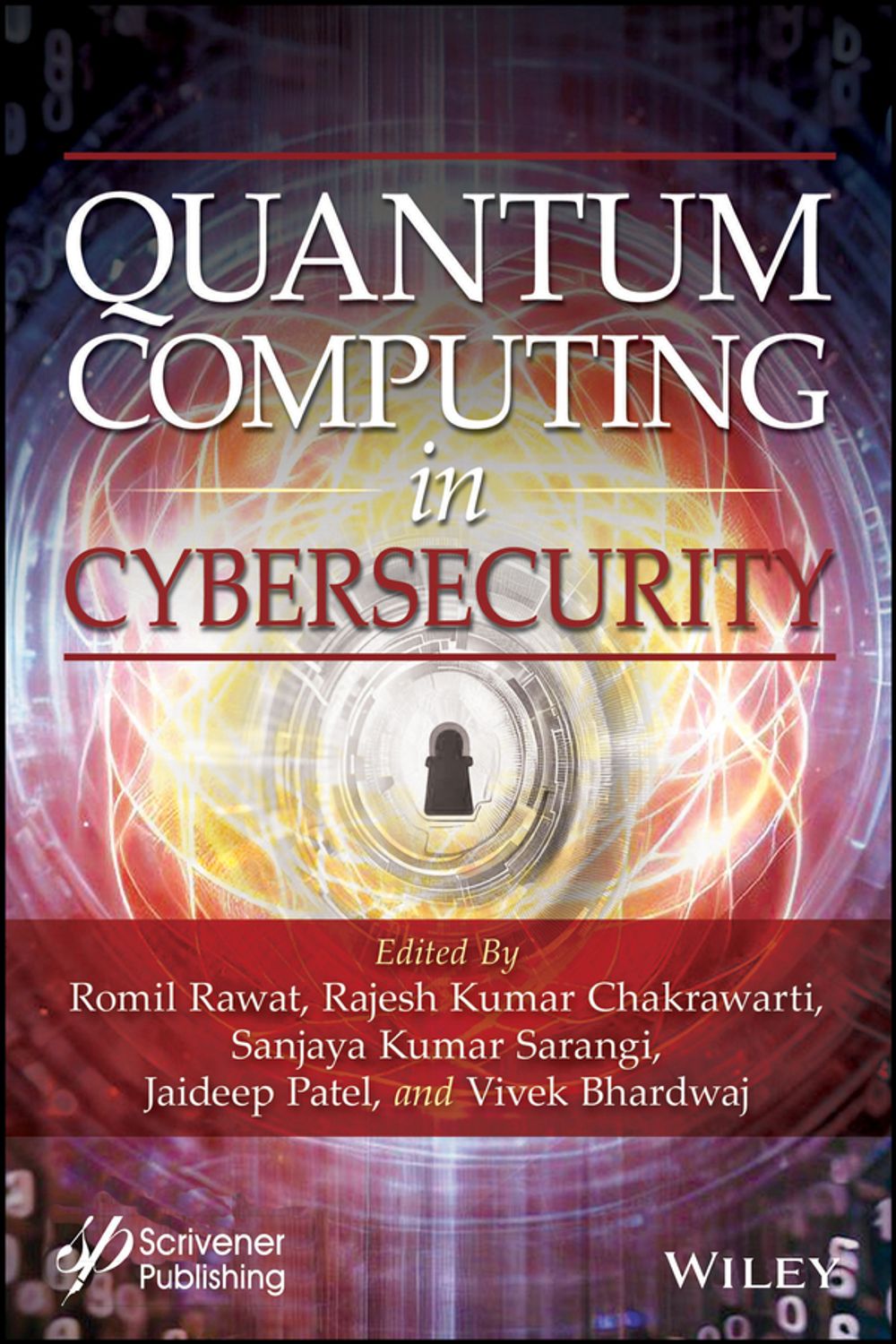



Machine learning, deep learning, probabilistic neural networks, blockchain, and other new technologies all demand extremely high processing speeds. A quantum computer is an example of such a system. Quantum computers may be accessed over the internet. This technology poses a significant risk, since quantum terrorists, or cyber criminals, coul be able to cause many problems, including bringing down the internet. The principles of quantum mechanics might be used by evil doers to destroy quantum information on a global scale, and an entire class of suspicious codes could destroy data or eavesdrop on communication. Quantum physics, however, safeguards against data eavesdropping. A significant amount of money is being invested in developing and testing a quantum version of the internet that will eliminate eavesdropping and make communication nearly impenetrable to cyber-attacks. The simultaneous activation of quantum terrorists (organized crime) can lead to significant danger by attackers introducing quantum information into the network, breaking the global quantum state, and preventing the system from returning to its starting state. Without signs of identifying information and real-time communication data, such vulnerabilities are very hard to discover. Terrorists' synchronized and coordinated acts have an impact on security by sparking a cyber assault in a fraction of a second. The encryption is used by cyber-criminal groups with the genuine, nefarious, and terrible motives of killing innocent people or stealing money. In the hands of criminals and codes, cryptography is a dangerous and formidable weapon. Small amounts of digital information are hidden in a code string that translates into an image on the screen, making it impossible for the human eye to identify a coded picture from its uncoded equivalents. To steal the cryptographic key necessary to read people's credit card data or banking information, cyber thieves employ installed encryption techniques, human mistakes, keyboard loggers, and computer malware. This new volume delves into the latest cutting-edge trends and the most up-to-date processes and applications for quantum computing to bolster cybersecurity. Whether for the veteran computer engineer working in the field, other computer scientists and professionals, or for the student, this is a one-stop-shop for quantum computing in cyber security and a must have for any library.
-
Curatore:
-
Anno edizione:2023
-
Editore:
-
Formato:
Lingua:
Inglese
Compatibilità:
Tutti i dispositivi (eccetto Kindle) Scopri di più
Layout:
Reflowable
EAN:
9781394167388

Formato:
Gli eBook venduti da Feltrinelli.it sono in formato ePub e possono essere protetti da Adobe DRM. In caso di download di un file protetto da DRM si otterrà un file in formato .acs, (Adobe Content Server Message), che dovrà essere aperto tramite Adobe Digital Editions e autorizzato tramite un account Adobe, prima di poter essere letto su pc o trasferito su dispositivi compatibili.
Cloud:
Gli eBook venduti da Feltrinelli.it sono sincronizzati automaticamente su tutti i client di lettura Kobo successivamente all’acquisto. Grazie al Cloud Kobo i progressi di lettura, le note, le evidenziazioni vengono salvati e sincronizzati automaticamente su tutti i dispositivi e le APP di lettura Kobo utilizzati per la lettura.
Clicca qui per sapere come scaricare gli ebook utilizzando un pc con sistema operativo Windows
