










EBOOK IN LINGUA STRANIERA





Resilient Communities across Geographies

34,41 €
+340
punti 
Venditore: Feltrinelli

Acquista online
Scaricabile subito
Articolo acquistabile con Carta del Docente

Articolo acquistabile con Carta Cultura Giovani e Carta del Merito

Articolo acquistabile con Carta della Cultura

Dati e Statistiche
 Salvato in 0 liste dei desideri
Salvato in 0 liste dei desideri
Resilient Communities across Geographies
Scaricabile subito
34,41 €
34,41 €
Scaricabile subito

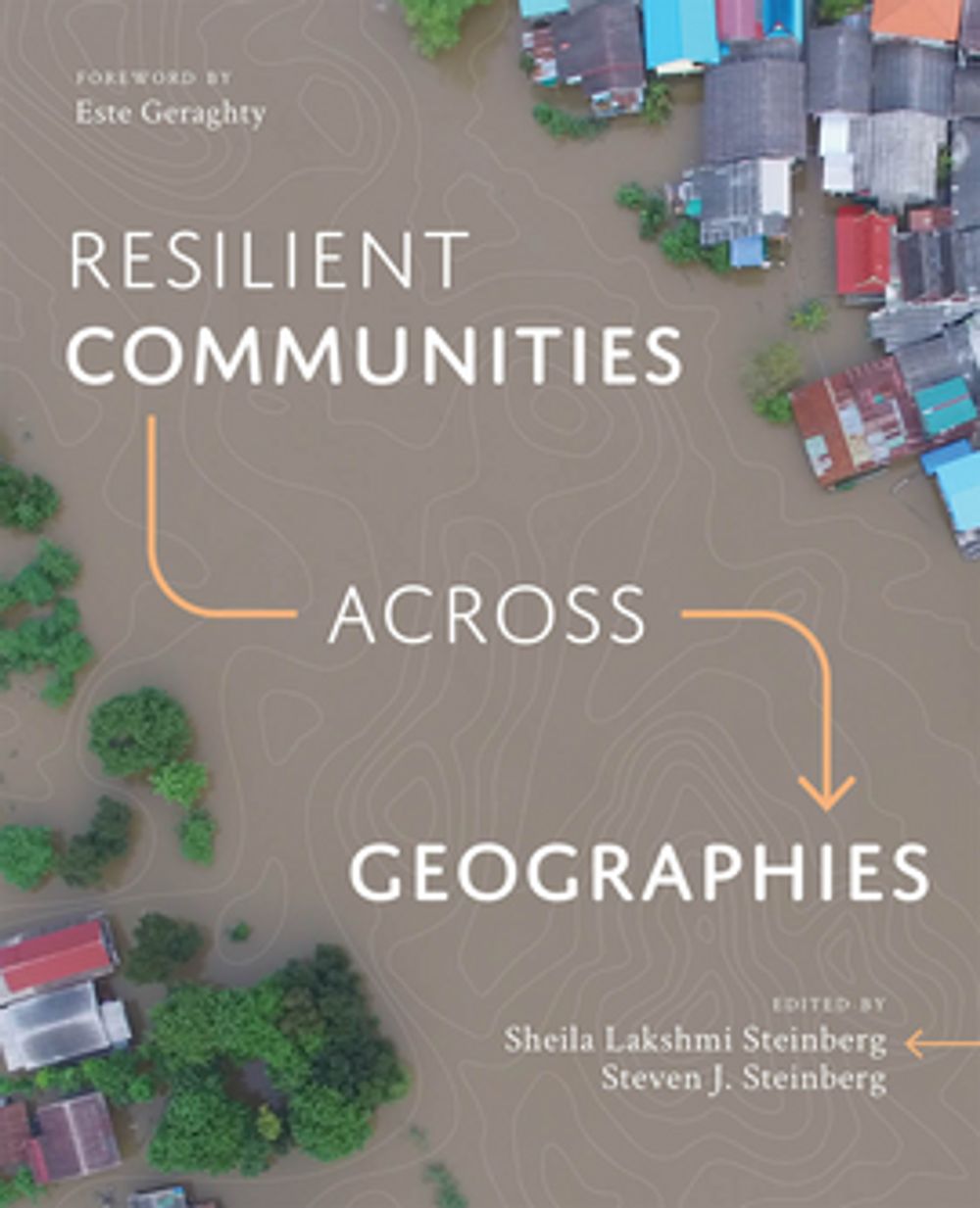


What makes a community resilient? How do we ensure its sustainable future? Resilience—the unique ability to positively adapt to changing physical and social environments—is essential for populations of all sizes and locales in today's world of unexpected changes and increasing instances of environmental change. Communities around the globe possess unique combinations of culture, skills, and abilities in context of unique built and natural environments. Identifying and mapping community strengths and resources facilitates effective planning for where and how to focus and manage their unique cultures and characteristics. Resilient Communities across Geographies is a collection of case studies examining the application of geographic information systems (GIS) to environmental and socioeconomic challenges for analysis, planning, and, ultimately, more resilient communities. Each chapter discusses a spatially driven approach to challenges in geography, social sciences, landscape architecture, urban planning, environmental studies, sociology, economics, migration, community development, meteorology, oceanography, and other fields. Examples explore both the natural and cultural contexts of climate adaptation in built environments and cultural impacts in a diversity of communities. These include the Martu people of Australia, First Nation youth in Canada, and cultural diversity of indigenous Los Angeles to California farmworkers facing exposure to agricultural chemicals in their communities. Each example applies powerful GIS tools and analysis to document, support, and assess resilience across these unique geographies while recognizing the value and strength which lies in the diversity of the people who live there. The stories shared within Resilient Communities across Geographies help readers develop an expanded sense of the power of spatial thinking, local knowledge, and engagement to address the difficult problems we collectively face in various locales. Edited by the authors of GIS Research Methods with a foreword by Esri Chief Medical Officer Este Geraghty.
-
Curatore:
-
Anno edizione:2021
-
Editore:
-
Formato:
Lingua:
Inglese
Compatibilità:
Tutti i dispositivi (eccetto Kindle) Scopri di più
Layout:
Reflowable
EAN:
9781589484825

Formato:
Gli eBook venduti da Feltrinelli.it sono in formato ePub e possono essere protetti da Adobe DRM. In caso di download di un file protetto da DRM si otterrà un file in formato .acs, (Adobe Content Server Message), che dovrà essere aperto tramite Adobe Digital Editions e autorizzato tramite un account Adobe, prima di poter essere letto su pc o trasferito su dispositivi compatibili.
Cloud:
Gli eBook venduti da Feltrinelli.it sono sincronizzati automaticamente su tutti i client di lettura Kobo successivamente all’acquisto. Grazie al Cloud Kobo i progressi di lettura, le note, le evidenziazioni vengono salvati e sincronizzati automaticamente su tutti i dispositivi e le APP di lettura Kobo utilizzati per la lettura.
Clicca qui per sapere come scaricare gli ebook utilizzando un pc con sistema operativo Windows
