










LIBRO INGLESE





Risk-sharing in the Pharmaceutical Industry: The Case of Out-licensing

136,80 €
+1370
punti 
Venditore: Feltrinelli
Articolo acquistabile con Carta del Docente

Articolo acquistabile con Carta Cultura Giovani e Carta del Merito

Articolo acquistabile con Carta della Cultura

Paga con Klarna in 3 rate senza interessi per ordini superiori a 39 €

Dati e Statistiche
 Salvato in 0 liste dei desideri
Salvato in 0 liste dei desideri
Risk-sharing in the Pharmaceutical Industry: The Case of Out-licensing
Disponibilità in 2 settimane
136,80 €
136,80 €
Disponibilità in 2 settimane

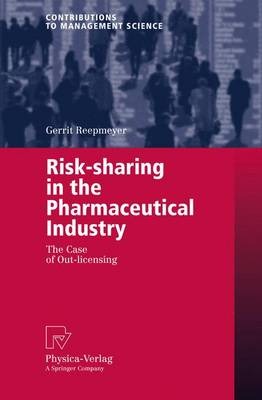



The productivity in pharmaceutical research and development faces intense pres sure. R&D expenditures of the major US and European companies have topped US$ 33 billion in 2003 compared to around US$ 13 billion just a decade ago. At the same time, the number of new drug approvals has dropped from 53 in 1996 to only 35 in 2003. Moreover, the protraction of clinical trials has significantly reduced the effective time of patent protection. The consequences are devastating. Monopoly profits have started to decline and the average costs per new drug have reached a re cord level of close to US$ 1 billion today. As a result, any failure of a new sub stance in the R&D process can lead to considerable losses, and the risks of introduc ing a new drug to the market have grown tremendously. Particularly if a company is highly dependent on just a handful of mega-selling blockbuster drugs, the risks can be even greater. For example, Pfizer generated about 90% of its worldwide revenues in 2002 with just 8 products. Any shortfall of a promising late-stage drug candidate would have left Pfizer with a gaping hole in its product portfolio. In order to deal with these risks, many pharmaceutical companies have started to organize their R&D in partnership. In fact, more than 600 alliances in pharmaceutical R&D are signed every year.
-
Autore:
-
Editore:
-
Collana:Contributions to Management Science
-
Anno:2005
-
Rilegatura:Paperback / softback
Pagine:
297 p.
Testo in English
Dimensioni:
235 x 155 mm
EAN:
9783790816679

Informazioni e Contatti sulla Sicurezza dei Prodotti
Le schede prodotto sono aggiornate in conformità al Regolamento UE 988/2023. Laddove ci fossero taluni dati non disponibili per ragioni indipendenti da Feltrinelli, vi informiamo che stiamo compiendo ogni ragionevole sforzo per inserirli. Vi invitiamo a controllare periodicamente il sito www.lafeltrinelli.it per eventuali novità e aggiornamenti.
Per le vendite di prodotti da terze parti, ciascun venditore si assume la piena e diretta responsabilità per la commercializzazione del prodotto e per la sua conformità al Regolamento UE 988/2023, nonché alle normative nazionali ed europee vigenti.
Per informazioni sulla sicurezza dei prodotti, contattare productsafety@feltrinelli.it
