









EBOOK IN LINGUA STRANIERA





The Roman Predicament

34,10 €
+340
punti 
Venditore: Feltrinelli

Acquista online
Scaricabile subito
Articolo acquistabile con Carta del Docente

Articolo acquistabile con Carta Cultura Giovani e Carta del Merito

Articolo acquistabile con Carta della Cultura

Dati e Statistiche
 Salvato in 0 liste dei desideri
Salvato in 0 liste dei desideri
The Roman Predicament
Scaricabile subito
34,10 €
34,10 €
Scaricabile subito

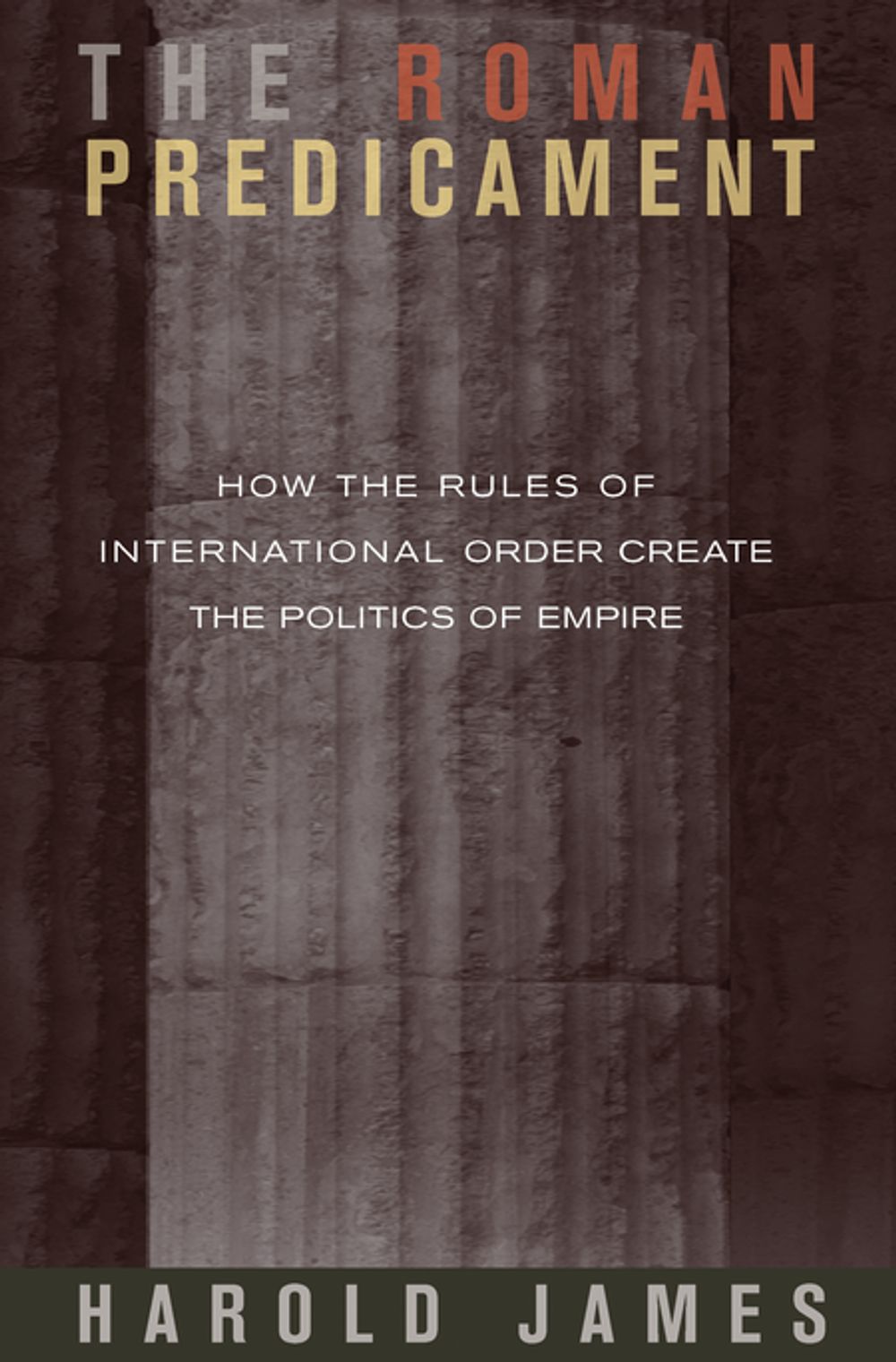


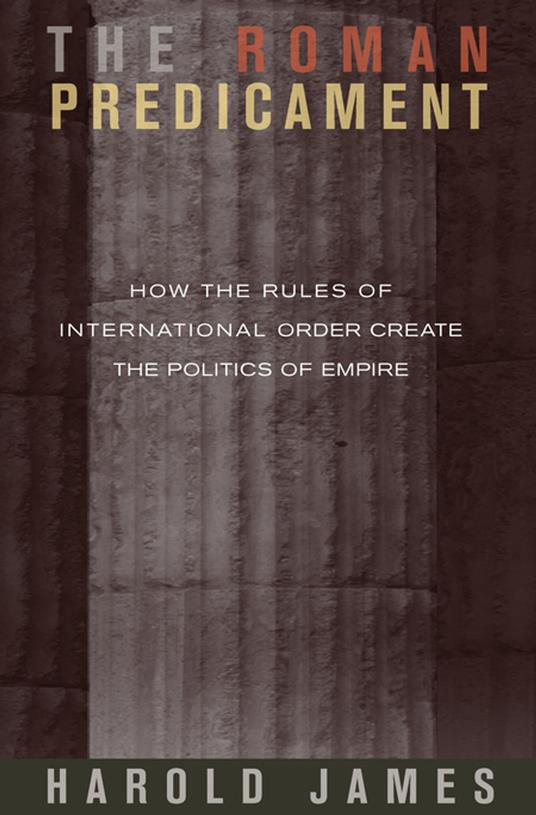
Modern America owes the Roman Empire for more than gladiator movies and the architecture of the nation's Capitol. It can also thank the ancient republic for some helpful lessons in globalization. So argues economic historian Harold James in this masterful work of intellectual history. The book addresses what James terms "the Roman dilemma"--the paradoxical notion that while global society depends on a system of rules for building peace and prosperity, this system inevitably leads to domestic clashes, international rivalry, and even wars. As it did in ancient Rome, James argues, a rule-based world order eventually subverts and destroys itself, creating the need for imperial action. The result is a continuous fluctuation between pacification and the breakdown of domestic order. James summons this argument, first put forth more than two centuries ago in Adam Smith's Wealth of Nations and Edward Gibbon's Decline and Fall of the Roman Empire, to put current events into perspective. The world now finds itself staggering between a set of internationally negotiated trading rules and exchange--rate regimes, and the enforcement practiced by a sometimes-imperial America. These two forces--liberal international order and empire--will one day feed on each other to create a shakeup in global relations, James predicts. To reinforce his point, he invokes the familiar bon mot once applied to the British Empire: "When Britain could not rule the waves, it waived the rules." ? Despite the pessimistic prognostications of Smith and Gibbon, who saw no way out of this dilemma, James ends his book on a less depressing note. He includes a chapter on one possible way in which the world could resolve the Roman Predicament--by opting for a global system based on values as opposed to rules.
-
Autore:
-
Anno edizione:2010
-
Editore:
-
Formato:
-
Lingua:Inglese
Compatibilità:
Tutti i dispositivi (eccetto Kindle) Scopri di più
Layout:
Reflowable
EAN:
9781400837632

Formato:
Gli eBook venduti da Feltrinelli.it sono in formato ePub e possono essere protetti da Adobe DRM. In caso di download di un file protetto da DRM si otterrà un file in formato .acs, (Adobe Content Server Message), che dovrà essere aperto tramite Adobe Digital Editions e autorizzato tramite un account Adobe, prima di poter essere letto su pc o trasferito su dispositivi compatibili.
Cloud:
Gli eBook venduti da Feltrinelli.it sono sincronizzati automaticamente su tutti i client di lettura Kobo successivamente all’acquisto. Grazie al Cloud Kobo i progressi di lettura, le note, le evidenziazioni vengono salvati e sincronizzati automaticamente su tutti i dispositivi e le APP di lettura Kobo utilizzati per la lettura.
Clicca qui per sapere come scaricare gli ebook utilizzando un pc con sistema operativo Windows
