










EBOOK IN LINGUA STRANIERA





Rush to Disaster

29,11 €
+290
punti 
Prezzo minimo ultimi 30 giorni: 27,97 €
Venditore: Feltrinelli
Articolo acquistabile con Carta del Docente

Articolo acquistabile con Carta Cultura Giovani e Carta del Merito

Articolo acquistabile con Carta della Cultura

Dati e Statistiche
 Salvato in 0 liste dei desideri
Salvato in 0 liste dei desideri
Rush to Disaster
Disponibile dal 8 dicembre 2026
29,11 €
29,11 €
Disponibile dal 8 dicembre 2026

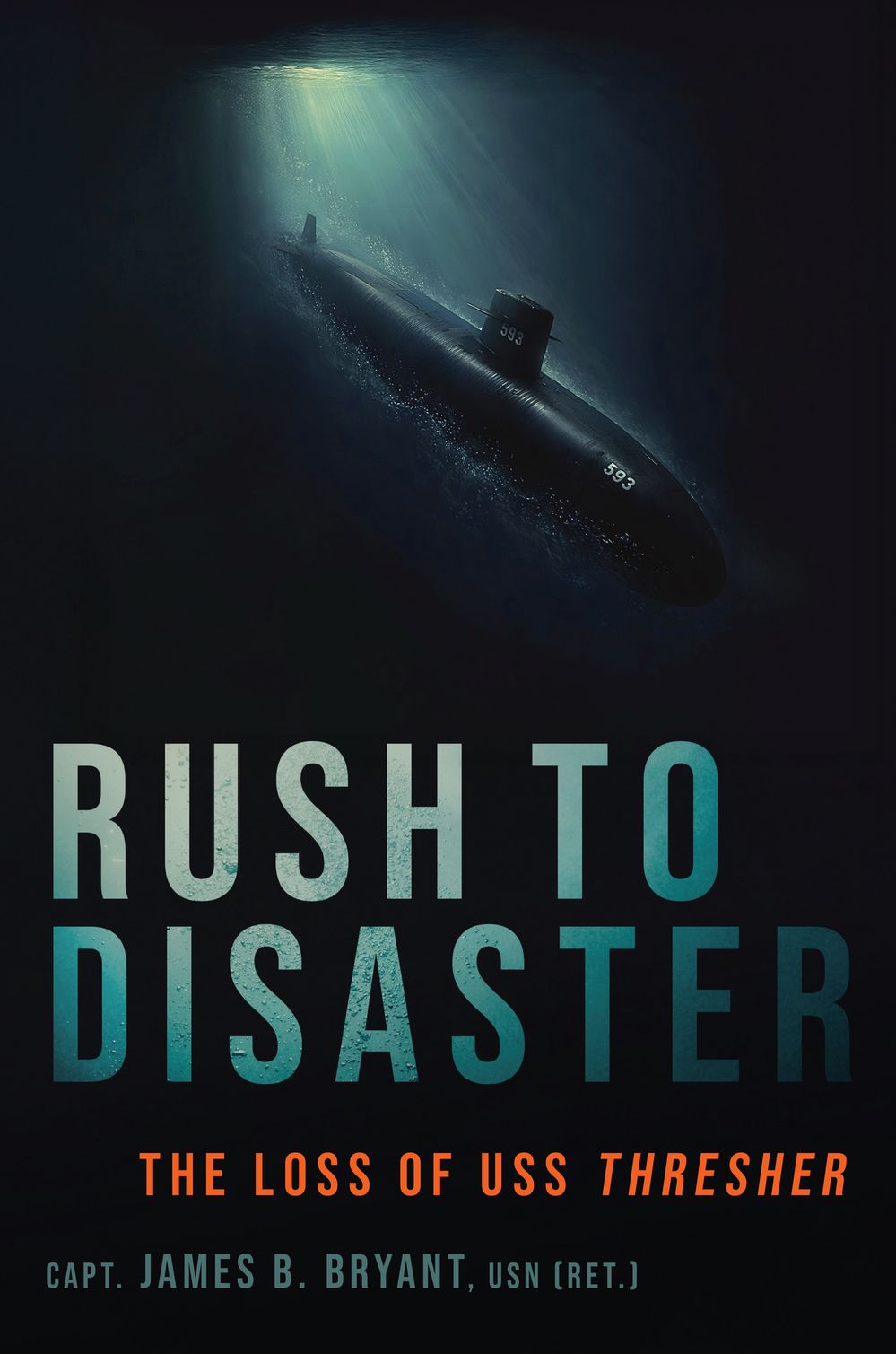


Rush to Disaster reexamines the 1963 loss of USS Thresher**—the deadliest nuclear submarine disaster in history—using thousands of pages of newly declassified Naval Court of Inquiry (NCOI) records released through a landmark Freedom of Information Act (FOIA) lawsuit. Written by a former nuclear submarine commander, the book reveals how Cold War urgency, flawed assumptions, and institutional pressure combined to produce a catastrophe that reshaped submarine safety.** On April 10, 1963, USS Thresher (SSN 593) sank during a deep-dive test following an extensive maintenance period. It remains the worst nuclear submarine disaster in the world, taking with it 129 sailors and civilians. Within hours, the U.S. Navy convened a Navy Court of Inquiry (NCOI) to determine what happened and what could be learned from this tragedy. For decades, the proceedings of that court—more than 1,700 pages of testimony and thousands of pages of supporting material—remained largely inaccessible to the public. Rush to Disaster draws on more than 6,000 pages of newly declassified records, released because of a 2019 Freedom of Information Act lawsuit filed by author James B. Bryant. Combining operational insight with documentary evidence previously unavailable to anyone, Bryant traces the submarine’s short life—from design and construction through commissioning, shakedown, and post-shakedown availability—before turning to the events of its final dive. Particular attention is given to how legacy design assumptions, aggressive schedules, and incomplete training frameworks intersected with the unprecedented demands of operating at far greater depths than previous submarine classes had. Central to the analysis is the NCOI itself: its findings, limitations, and the context in which it worked. The book examines testimony from officers, engineers, shipyard personnel, and analysts, including previously classified acoustic analysis from the Sound Surveillance System (SOSUS). It also explores what the court could not fully address at the time, given incomplete wreckage data and pressure to reach conclusions quickly while sister ships approached sea trials. Rather than presenting a single point of failure, Bryant documents a chain of technical, organizational, and cultural factors that accumulated over time. In doing so, he offers a detailed case study of how complex naval systems are designed, tested, and operated—and how risks can emerge when innovation outpaces established practices.
-
Autore:
-
Anno edizione:2026
-
Editore:
-
Lingua:Inglese

Formato:
Gli eBook venduti da Feltrinelli.it sono in formato ePub e possono essere protetti da Adobe DRM. In caso di download di un file protetto da DRM si otterrà un file in formato .acs, (Adobe Content Server Message), che dovrà essere aperto tramite Adobe Digital Editions e autorizzato tramite un account Adobe, prima di poter essere letto su pc o trasferito su dispositivi compatibili.
Cloud:
Gli eBook venduti da Feltrinelli.it sono sincronizzati automaticamente su tutti i client di lettura Kobo successivamente all’acquisto. Grazie al Cloud Kobo i progressi di lettura, le note, le evidenziazioni vengono salvati e sincronizzati automaticamente su tutti i dispositivi e le APP di lettura Kobo utilizzati per la lettura.
Clicca qui per sapere come scaricare gli ebook utilizzando un pc con sistema operativo Windows
