










EBOOK IN LINGUA STRANIERA





The Sonic South

52,82 €
+530
punti 
Venditore: Feltrinelli
Articolo acquistabile con Carta del Docente

Articolo acquistabile con Carta Cultura Giovani e Carta del Merito

Articolo acquistabile con Carta della Cultura

Dati e Statistiche
 Salvato in 0 liste dei desideri
Salvato in 0 liste dei desideri
The Sonic South
Disponibile dal 25 agosto 2026
52,82 €
52,82 €
Disponibile dal 25 agosto 2026

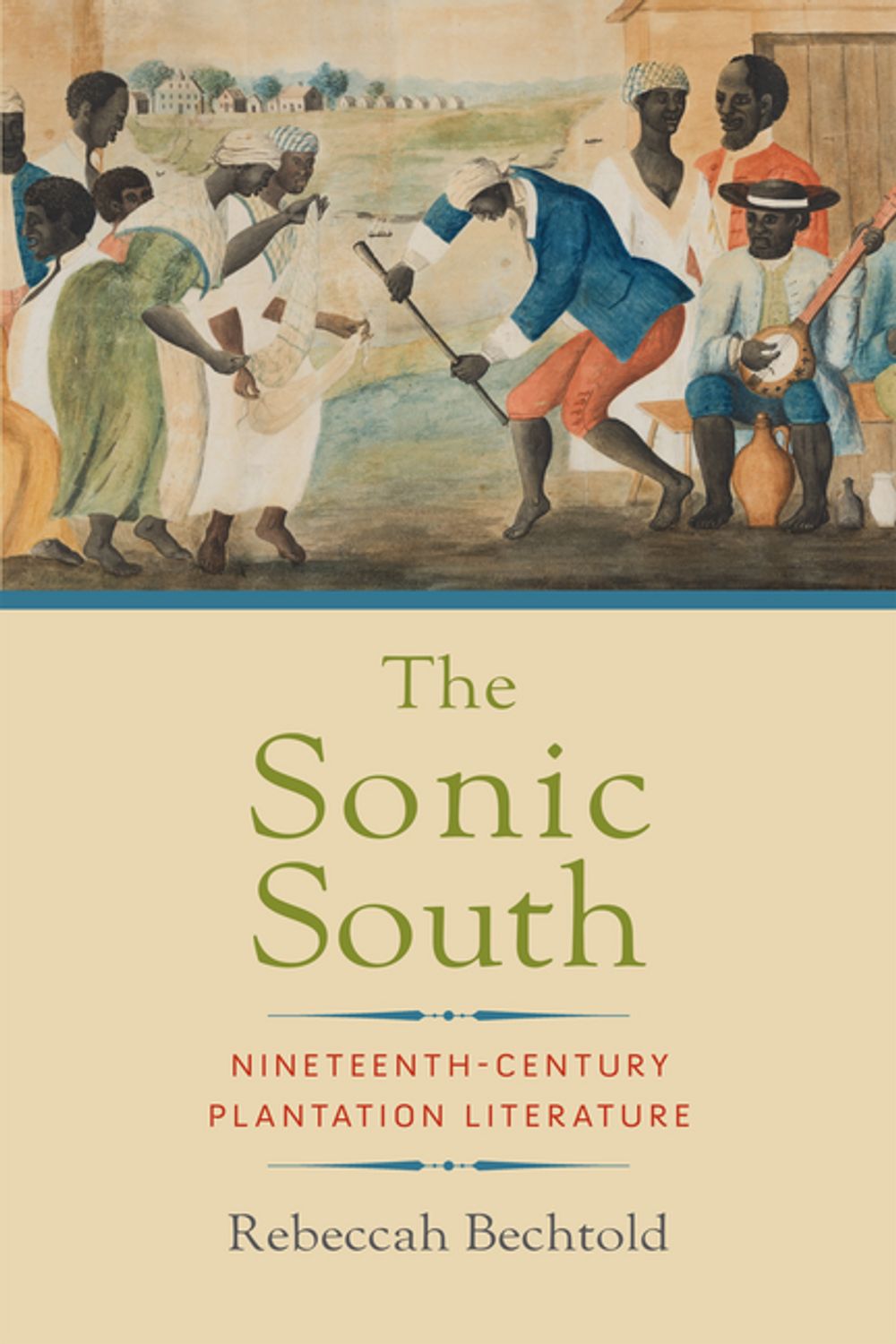



An examination of the influence of white listening practices on literary representations of the plantation South Early colonial histories of the plantation South often relied on multisensory descriptions to construct an image of the region as a “land of beauty.” While these early accounts are rich in visual and tactile imagery, aural impressions played an important role in constructing its paradisiacal nature. To truly enjoy this southern Elysium, however, necessitated a kind of selective hearing—a willingness to shut one’s ears to the sounds of slavery. While travelers south frequently remarked on the aural disconnect between the South they first longed for and the one they found, antislavery activists worked tirelessly from the 1830s on to heighten this sonic dissonance, encouraging listeners to “open” their ears “to the cries, tears and groans” of the enslaved, as David Walker called for in his Appeal. In The Sonic South, Rebeccah Bechtold traces the legacy of these ways of hearing in the popular plantation literature of the 1830s to 1860s, studying how white listeners both heard and imagined the plantation South and its Black communities. While proslavery writers like William L. G. Smith and Caroline Hentz contended that the physiological differences between whites and Blacks could be tracked in how each heard the world around them, antislavery writers like Harriet Beecher Stowe, James Robert Gilmore, Epes Sargent, and Lydia Maria Child relied on sound’s more ephemeral qualities to highlight the potential potency of Black voices to unsettle the status quo, illustrating in the process how easily the idealized southern soundscape could erode. Bechtold argues that, collectively, these writings demonstrate the importance of the southern soundscape to the South’s regional identity and to white perceptions of the enslaved.
-
Autore:
-
Anno edizione:2026
-
Editore:
-
Formato:
-
Lingua:Inglese
Compatibilità:
Tutti i dispositivi (eccetto Kindle) Scopri di più
Layout:
Reflowable
EAN:
9781512829938

Formato:
Gli eBook venduti da Feltrinelli.it sono in formato ePub e possono essere protetti da Adobe DRM. In caso di download di un file protetto da DRM si otterrà un file in formato .acs, (Adobe Content Server Message), che dovrà essere aperto tramite Adobe Digital Editions e autorizzato tramite un account Adobe, prima di poter essere letto su pc o trasferito su dispositivi compatibili.
Cloud:
Gli eBook venduti da Feltrinelli.it sono sincronizzati automaticamente su tutti i client di lettura Kobo successivamente all’acquisto. Grazie al Cloud Kobo i progressi di lettura, le note, le evidenziazioni vengono salvati e sincronizzati automaticamente su tutti i dispositivi e le APP di lettura Kobo utilizzati per la lettura.
Clicca qui per sapere come scaricare gli ebook utilizzando un pc con sistema operativo Windows
