










LIBRO INGLESE





Sot-Weed Factor


35,00 €
+350
punti 
Venditore: Feltrinelli
Articolo acquistabile con Carta del Docente

Articolo acquistabile con Carta Cultura Giovani e Carta del Merito

Articolo acquistabile con Carta della Cultura

Dati e Statistiche
 Salvato in 1 lista dei desideri
Salvato in 1 lista dei desideri
Sot-Weed Factor
Disponibile in 5 gg lavorativi
35,00 €
35,00 €
Disponibile in 5 gg lavorativi
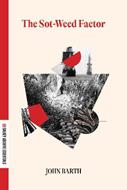




This is Barth's most distinguished masterpiece. This modern classic is a hilarious tribute to all the most insidious human vices, with a hero who is "one of the most diverting . . . to roam the world since Candide." "A feast. Dense, funny, endlessly inventive (and, OK, yes, long-winded) this satire of the eighteenth-century picaresque novel—think Fielding's Tom Jones or Sterne's Tristram Shandy—is also an earnest picture of the pitfalls awaiting innocence as it makes its unsteady way in the world. It's the late seventeenth century and Ebenezer Cooke is a poet, dutiful son and determined virgin who travels from England to Maryland to take possession of his father's tobacco (or "sot weed") plantation. He is also eventually given to believe that he has been commissioned by the third Lord Baltimore to write an epic poem, The Marylandiad. But things are not always what they seem. Actually, things are almost never what they seem. Not since Candide has a steadfast soul witnessed so many strange scenes or faced so many perils. Pirates, Indians, shrewd prostitutes, armed insurrectionists—Cooke endures them all, plus assaults on his virginity from both women and men. Barth's language is impossibly rich, a wickedly funny take on old English rhetoric and American self-appraisals. For good measure he throws in stories within stories, including the funniest retelling of the Pocahontas tale—revealed to us in the 'secret' journals of Capt. John Smith—that anyone has ever dared to tell." —Time
-
Autore:
-
Editore:
-
Collana:Dalkey Archive Essentials
-
Anno:2023
-
Rilegatura:Paperback / softback
Pagine:
806 p.
Testo in English
Dimensioni:
228 x 152 mm
EAN:
9781628973945


Informazioni e Contatti sulla Sicurezza dei Prodotti
Le schede prodotto sono aggiornate in conformità al Regolamento UE 988/2023. Laddove ci fossero taluni dati non disponibili per ragioni indipendenti da Feltrinelli, vi informiamo che stiamo compiendo ogni ragionevole sforzo per inserirli. Vi invitiamo a controllare periodicamente il sito www.lafeltrinelli.it per eventuali novità e aggiornamenti.
Per le vendite di prodotti da terze parti, ciascun venditore si assume la piena e diretta responsabilità per la commercializzazione del prodotto e per la sua conformità al Regolamento UE 988/2023, nonché alle normative nazionali ed europee vigenti.
Per informazioni sulla sicurezza dei prodotti, contattare productsafety@feltrinelli.it
