










EBOOK IN LINGUA STRANIERA





Uncontrolled

1,49 €
+10
punti 
Venditore: Feltrinelli

Acquista online
Scaricabile subito
Articolo acquistabile con Carta del Docente

Articolo acquistabile con Carta Cultura Giovani e Carta del Merito

Articolo acquistabile con Carta della Cultura

Dati e Statistiche
 Salvato in 0 liste dei desideri
Salvato in 0 liste dei desideri
Uncontrolled
Scaricabile subito
1,49 €
1,49 €
Scaricabile subito

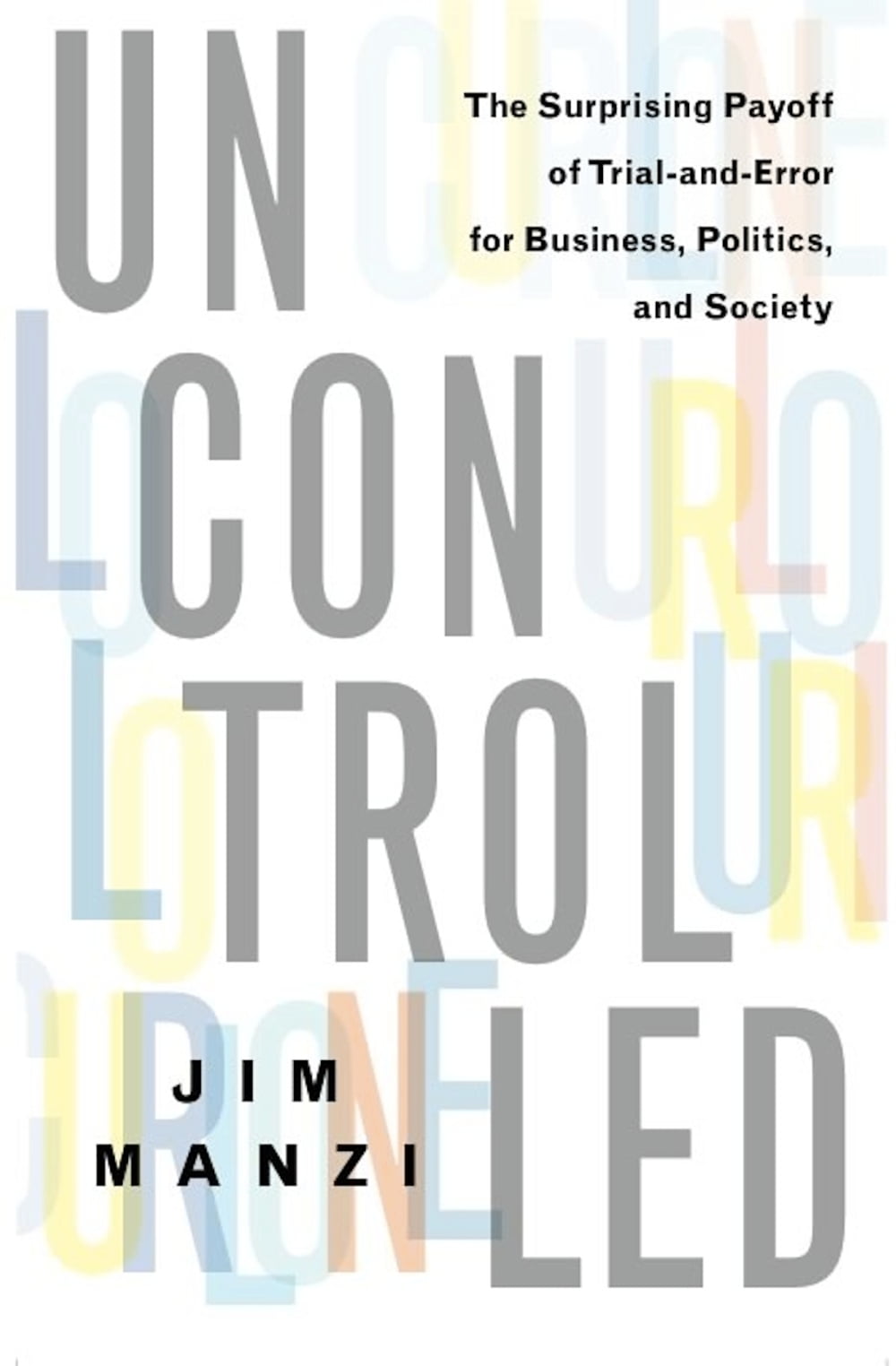



How do we know which social and economic policies work, which should be continued, and which should be changed? Jim Manzi argues that throughout history, various methods have been attempted -- except for controlled experimentation. Experiments provide the feedback loop that allows us, in certain limited ways, to identify error in our beliefs as a first step to correcting them. Over the course of the first half of the twentieth century, scientists invented a methodology for executing controlled experiments to evaluate certain kinds of proposed social interventions. This technique goes by many names in different contexts (randomized control trials, randomized field experiments, clinical trials, etc.). Over the past ten to twenty years this has been increasingly deployed in a wide variety of contexts, but it remains the red-haired step child of modern social science. This is starting to change, and this change should be encouraged and accelerated, even though the staggering complexity of human society creates severe limits to what social science could be realistically expected to achieve. Randomized trials have shown, for example, that work requirements for welfare recipients have succeeded like nothing else in encouraging employment, that charter school vouchers have been successful in increasing educational attainment for underprivileged children, and that community policing has worked to reduce crime, but also that programs like Head Start and Job Corps, which might be politically attractive, fail to attain their intended objectives. Business leaders can also use experiments to test decisions in a controlled, low-risk environment before investing precious resources in large-scale changes -- the philosophy behind Manzi's own successful software company. In a powerful and masterfully-argued book, Manzi shows us how the methods of science can be applied to social and economic policy in order to ensure progress and prosperity.
-
Autore:
-
Anno edizione:2012
-
Editore:
-
Formato:
-
Lingua:Inglese
Compatibilità:
Tutti i dispositivi (eccetto Kindle) Scopri di più
Layout:
Reflowable
EAN:
9780465029310

Formato:
Gli eBook venduti da Feltrinelli.it sono in formato ePub e possono essere protetti da Adobe DRM. In caso di download di un file protetto da DRM si otterrà un file in formato .acs, (Adobe Content Server Message), che dovrà essere aperto tramite Adobe Digital Editions e autorizzato tramite un account Adobe, prima di poter essere letto su pc o trasferito su dispositivi compatibili.
Cloud:
Gli eBook venduti da Feltrinelli.it sono sincronizzati automaticamente su tutti i client di lettura Kobo successivamente all’acquisto. Grazie al Cloud Kobo i progressi di lettura, le note, le evidenziazioni vengono salvati e sincronizzati automaticamente su tutti i dispositivi e le APP di lettura Kobo utilizzati per la lettura.
Clicca qui per sapere come scaricare gli ebook utilizzando un pc con sistema operativo Windows
