









LIBRO INGLESE





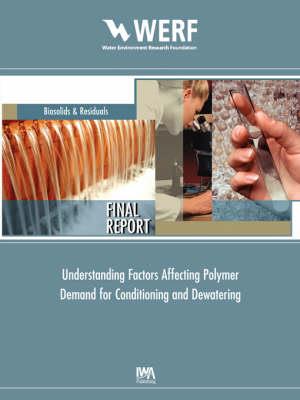
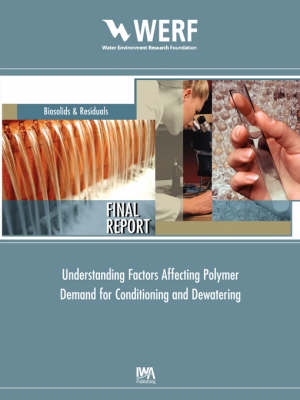
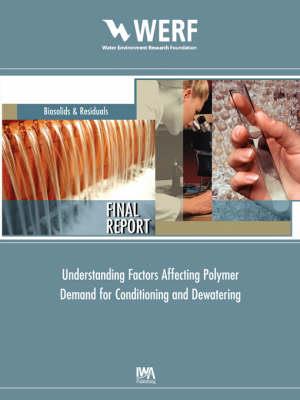
Understanding Factors Affecting Polymer Demand for Thickening and Dewatering


181,25 €
+1810
punti 
Venditore: Feltrinelli
Articolo acquistabile con Carta del Docente

Articolo acquistabile con Carta Cultura Giovani e Carta del Merito

Articolo acquistabile con Carta della Cultura

Paga con Klarna in 3 rate senza interessi per ordini superiori a 39 €

Dati e Statistiche
 Salvato in 0 liste dei desideri
Salvato in 0 liste dei desideri
Understanding Factors Affecting Polymer Demand for Thickening and Dewatering
Disponibile in 5 gg lavorativi
181,25 €
181,25 €
Disponibile in 5 gg lavorativi


Polymer demand varies considerably for different digestion processes as well as the same digestion processes at different locations and the reasons for these differences are not known. The objectives of this research were to develop a mechanistic understanding for these differences. The differences were hypothesized to depend on both the amount of charge in a sludge sample and the characteristics of the polymer. The first phase of the research was aimed at establishing the component of the sludge that creates the polymer demand and the second phase was aimed at understanding the interactions of polymers with the components of sludge. A number of samples were collected and analyzed for factors affecting polymer demand. The samples incluced MLSS, RAS, conventional aerobically and anaerobically digested, thermophilic anaerobically digested, temperature phased anaerobically digested, and an auto-thermal aerobically digested sample. Results from the first phase showed a good linear correlation between the optimum polymer dose (OPD) and biocolloid concentration as measured by soluble protein and polysaccharide concentration. In other words, these small particles (less than 4.2 mm created a significant portion of the polymer demand, especially for digested sludges. Conditioning samples with different polymers (varying charge density and configuration, linear, branched and hydrophobic) showed that the key characteristic in determining OPD is the charge density of the polymer. The shear associated with several full-scale dewatering devices was measured and quantified using the unitless Gt term. In addition, several field trials were performed to show the impact of Fe addition on polymer demand as well as methods to reduce the shear associated with high solids centrifuges.
-
Autore:
-
Editore:
-
Collana:WERF Research Report Series
-
Anno:2006
-
Rilegatura:Paperback / softback
Pagine:
112 p.
Testo in English
Dimensioni:
234 x 156 mm
EAN:
9781843397267

Informazioni e Contatti sulla Sicurezza dei Prodotti
Le schede prodotto sono aggiornate in conformità al Regolamento UE 988/2023. Laddove ci fossero taluni dati non disponibili per ragioni indipendenti da Feltrinelli, vi informiamo che stiamo compiendo ogni ragionevole sforzo per inserirli. Vi invitiamo a controllare periodicamente il sito www.lafeltrinelli.it per eventuali novità e aggiornamenti.
Per le vendite di prodotti da terze parti, ciascun venditore si assume la piena e diretta responsabilità per la commercializzazione del prodotto e per la sua conformità al Regolamento UE 988/2023, nonché alle normative nazionali ed europee vigenti.
Per informazioni sulla sicurezza dei prodotti, contattare productsafety@feltrinelli.it
