










EBOOK IN LINGUA STRANIERA





Unity and Disunity in Evolutionary Biology

187,19 €
+1870
punti 
Venditore: Feltrinelli

Acquista online
Scaricabile subito
Articolo acquistabile con Carta del Docente

Articolo acquistabile con Carta Cultura Giovani e Carta del Merito

Articolo acquistabile con Carta della Cultura

Dati e Statistiche
 Salvato in 0 liste dei desideri
Salvato in 0 liste dei desideri
Unity and Disunity in Evolutionary Biology
Scaricabile subito
187,19 €
187,19 €
Scaricabile subito

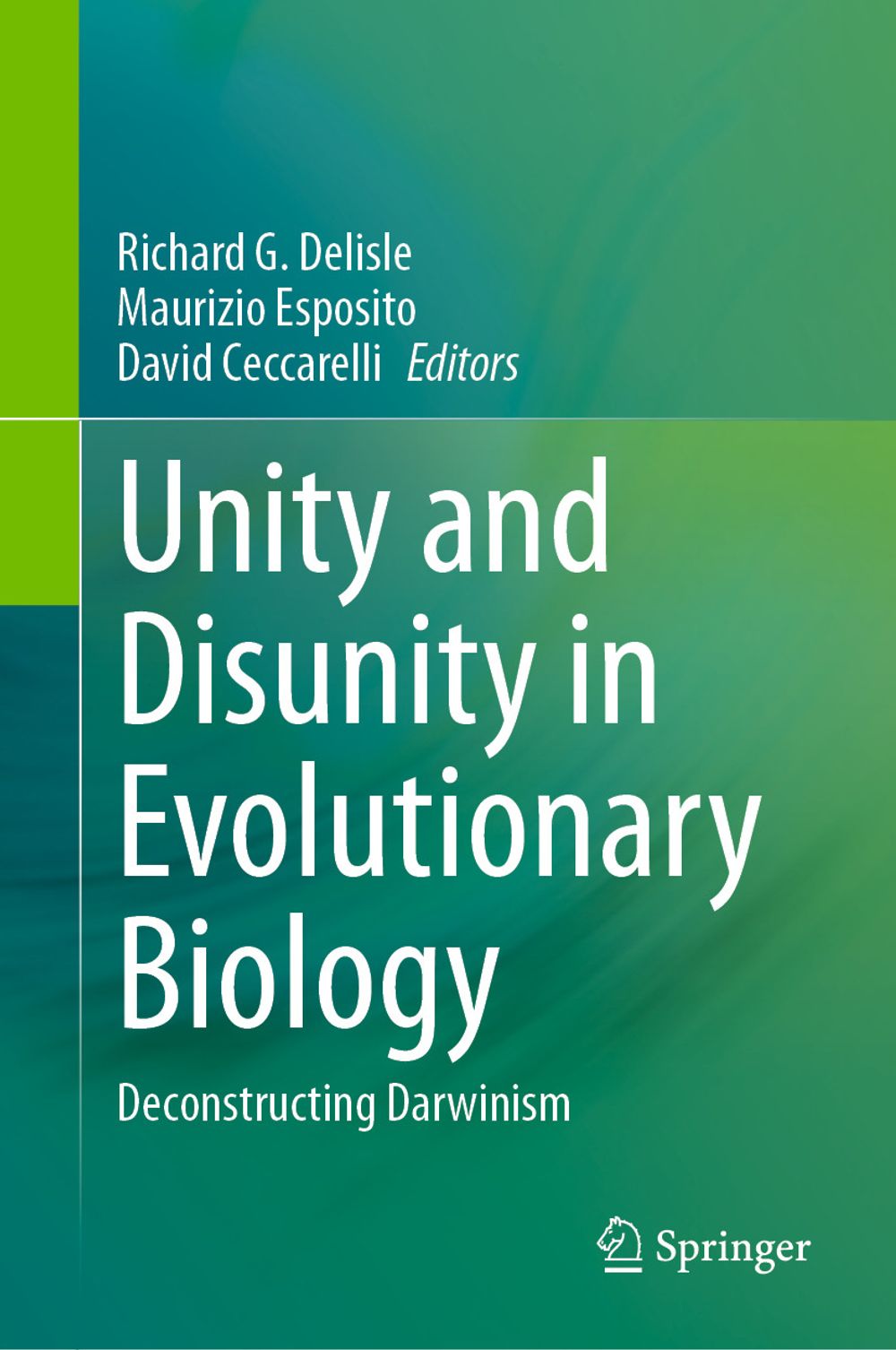



It is not uncommon to see in major areas of research concerned with science that historical studies are accompanied by the rise of complementary or contradictory historiographies. With time, it seems, scholars discover new approaches to study topics, thus questioning old concepts, traditions, periodizations and historical labels. Apparently, this has not been the case in evolutionary thought. In that area, the main historiographic labels such as Darwinian Revolution, Eclipse of Darwinism, and Modern Synthesis have been in place and largely uncontested for about 50 years. Such labels seem to work as irrefutable, and often hidden, premises of many historical reconstructions, philosophical analyses, and scientific conceptualizations. This volume aims to move beyond this state of affair, opening new thinking avenues by revisiting the traditional historiography and laying the groundwork for establishing a “new historiography” that considers the intertwined threads that compose evolutionary biology. Notably, evolutionary studies seem to have been marked by the tension between unification attempts and the proliferation of approaches, methodologies, and styles of thinking. As the contributors to this volume illustrate, research traditions branched off throughout the history of evolutionary thought, before and after Charles Darwin. The resulting complexity challenges traditional thinking categories, throwing a somewhat different light on a more recent label like the Extended Evolutionary Synthesis. More than 40 years after the now classic, The Evolutionary Synthesis: Perspectives on the Unification of Biology (1980), edited by Ernst Mayr and William Provine, the contributors to this volume aim to reevaluate where evolutionary biology stands today.
-
Curatore:
-
Anno edizione:2024
-
Editore:
-
Formato:
Lingua:
Inglese
Compatibilità:
Tutti i dispositivi (eccetto Kindle) Scopri di più
Layout:
Reflowable
EAN:
9783031426292

Formato:
Gli eBook venduti da Feltrinelli.it sono in formato ePub e possono essere protetti da Adobe DRM. In caso di download di un file protetto da DRM si otterrà un file in formato .acs, (Adobe Content Server Message), che dovrà essere aperto tramite Adobe Digital Editions e autorizzato tramite un account Adobe, prima di poter essere letto su pc o trasferito su dispositivi compatibili.
Cloud:
Gli eBook venduti da Feltrinelli.it sono sincronizzati automaticamente su tutti i client di lettura Kobo successivamente all’acquisto. Grazie al Cloud Kobo i progressi di lettura, le note, le evidenziazioni vengono salvati e sincronizzati automaticamente su tutti i dispositivi e le APP di lettura Kobo utilizzati per la lettura.
Clicca qui per sapere come scaricare gli ebook utilizzando un pc con sistema operativo Windows
