










EBOOK IN LINGUA STRANIERA





Verification, Validation, and Testing of Engineered Systems

168,99 €
+1690
punti 
Venditore: Feltrinelli

Acquista online
Scaricabile subito
Articolo acquistabile con Carta del Docente

Articolo acquistabile con Carta Cultura Giovani e Carta del Merito

Articolo acquistabile con Carta della Cultura

Dati e Statistiche
 Salvato in 0 liste dei desideri
Salvato in 0 liste dei desideri
Verification, Validation, and Testing of Engineered Systems
Scaricabile subito
168,99 €
168,99 €
Scaricabile subito

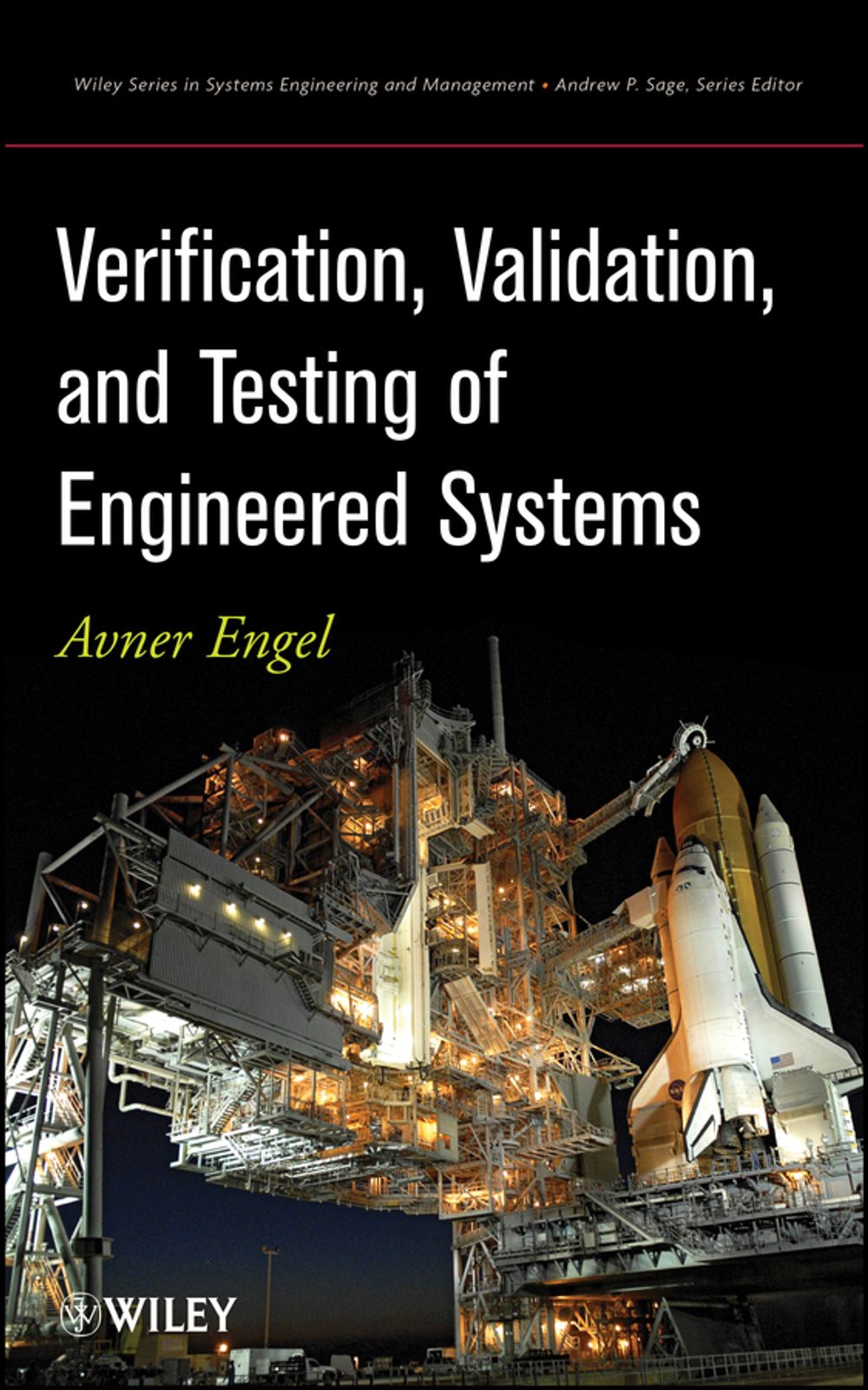



Systems' Verification Validation and Testing (VVT) are carried out throughout systems' lifetimes. Notably, quality-cost expended on performing VVT activities and correcting system defects consumes about half of the overall engineering cost. Verification, Validation and Testing of Engineered Systems provides a comprehensive compendium of VVT activities and corresponding VVT methods for implementation throughout the entire lifecycle of an engineered system. In addition, the book strives to alleviate the fundamental testing conundrum, namely: What should be tested? How should one test? When should one test? And, when should one stop testing? In other words, how should one select a VVT strategy and how it be optimized? The book is organized in three parts: The first part provides introductory material about systems and VVT concepts. This part presents a comprehensive explanation of the role of VVT in the process of engineered systems (Chapter-1). The second part describes 40 systems' development VVT activities (Chapter-2) and 27 systems' post-development activities (Chapter-3). Corresponding to these activities, this part also describes 17 non-testing systems' VVT methods (Chapter-4) and 33 testing systems' methods (Chapter-5). The third part of the book describes ways to model systems' quality cost, time and risk (Chapter-6), as well as ways to acquire quality data and optimize the VVT strategy in the face of funding, time and other resource limitations as well as different business objectives (Chapter-7). Finally, this part describes the methodology used to validate the quality model along with a case study describing a system's quality improvements (Chapter-8). Fundamentally, this book is written with two categories of audience in mind. The first category is composed of VVT practitioners, including Systems, Test, Production and Maintenance engineers as well as first and second line managers. The second category is composed of students and faculties of Systems, Electrical, Aerospace, Mechanical and Industrial Engineering schools. This book may be fully covered in two to three graduate level semesters; although parts of the book may be covered in one semester. University instructors will most likely use the book to provide engineering students with knowledge about VVT, as well as to give students an introduction to formal modeling and optimization of VVT strategy.
-
Autore:
-
Anno edizione:2010
-
Editore:
-
Formato:
-
Lingua:Inglese
Compatibilità:
Tutti i dispositivi (eccetto Kindle) Scopri di più
Layout:
Reflowable
EAN:
9781118029312

Formato:
Gli eBook venduti da Feltrinelli.it sono in formato ePub e possono essere protetti da Adobe DRM. In caso di download di un file protetto da DRM si otterrà un file in formato .acs, (Adobe Content Server Message), che dovrà essere aperto tramite Adobe Digital Editions e autorizzato tramite un account Adobe, prima di poter essere letto su pc o trasferito su dispositivi compatibili.
Cloud:
Gli eBook venduti da Feltrinelli.it sono sincronizzati automaticamente su tutti i client di lettura Kobo successivamente all’acquisto. Grazie al Cloud Kobo i progressi di lettura, le note, le evidenziazioni vengono salvati e sincronizzati automaticamente su tutti i dispositivi e le APP di lettura Kobo utilizzati per la lettura.
Clicca qui per sapere come scaricare gli ebook utilizzando un pc con sistema operativo Windows
