










EBOOK IN LINGUA STRANIERA





Vibration Control Systems

159,99 €
+1600
punti 
Venditore: Feltrinelli

Acquista online
Scaricabile subito
Articolo acquistabile con Carta del Docente

Articolo acquistabile con Carta Cultura Giovani e Carta del Merito

Articolo acquistabile con Carta della Cultura

Dati e Statistiche
 Salvato in 0 liste dei desideri
Salvato in 0 liste dei desideri
Vibration Control Systems
Scaricabile subito
159,99 €
159,99 €
Scaricabile subito

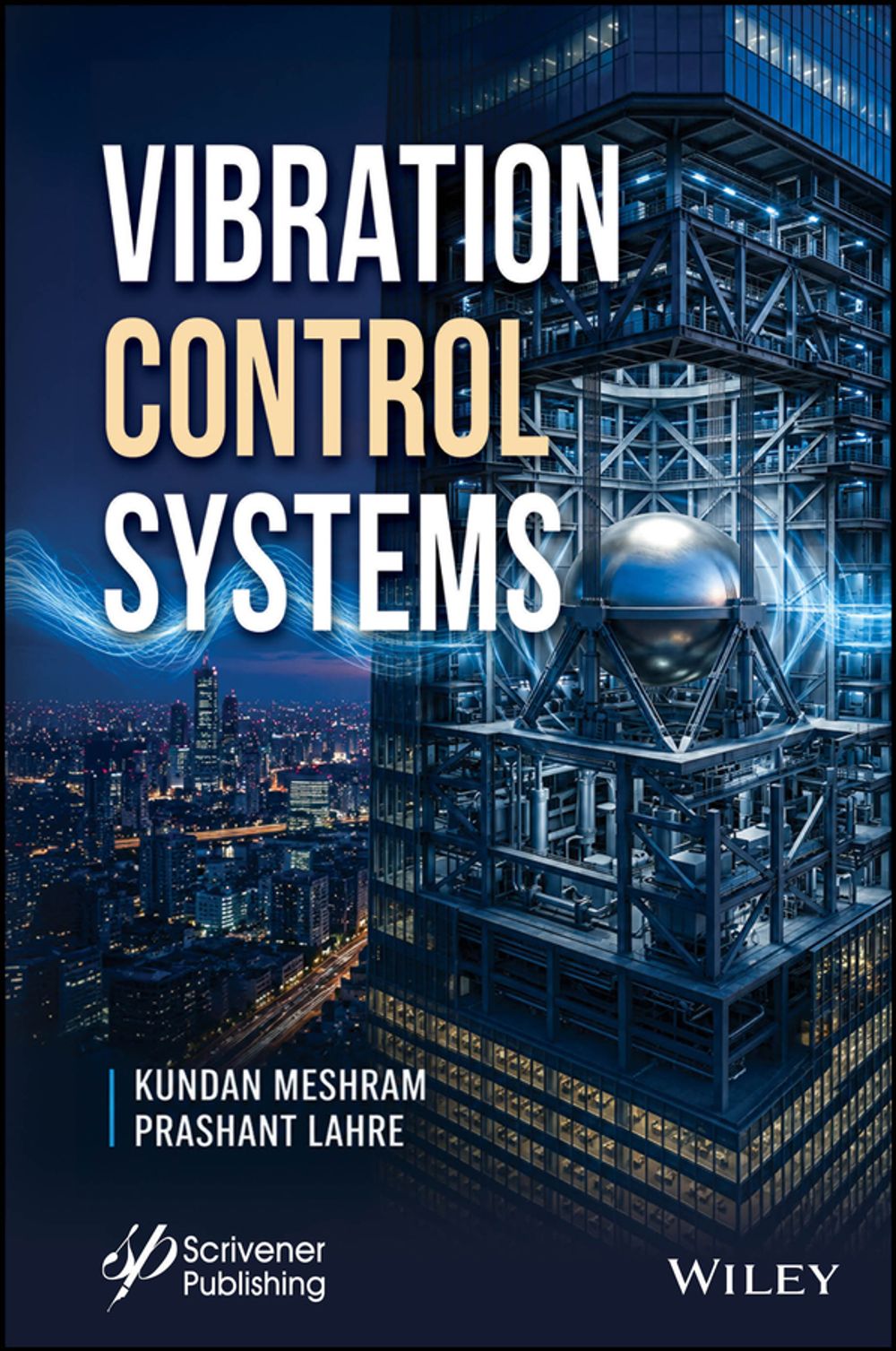



This comprehensive guide bridges the gap between theory and real-world application, giving you real-world access to cutting-edge damping technologies needed to safeguard today’s most ambitious, high-risk architectural marvels. Vibration control has long been a central concern in the construction of skyscrapers, bridges, and other large structures, particularly as architectural designs have become more ambitious and susceptible to dynamic forces. As structures grow taller and more flexible, they become more prone to external forces such as wind loads, seismic activity, and human-induced vibrations. To ensure the safety, stability, and longevity of these structures, vibration control mechanisms have evolved significantly over the past few decades. This book delves deeply into the innovative field of vibration control systems, with a primary focus on advanced damping technologies used in civil engineering and structural applications. The content spans the breadth of current damping solutions, from traditional methods like mass spring dampers and hydraulic dampers to cutting-edge approaches such as tuned mass dampers and hybrid damping units. Each chapter provides a comprehensive look at these technologies, including their design principles, simulation methodologies, and practical applications in modern infrastructure. The book also explores how these systems can be integrated to create more effective and efficient solutions for mitigating structural vibrations caused by environmental forces like wind, seismic activity, and machinery operations. By integrating both theory and practical applications, this book serves as a vital resource for researchers, engineers, and practitioners seeking to enhance their understanding of damping systems and their role in modern engineering solutions.
-
Curatore:
-
Anno edizione:2026
-
Editore:
-
Formato:
Lingua:
Inglese
Compatibilità:
Tutti i dispositivi (eccetto Kindle) Scopri di più
Layout:
Reflowable
EAN:
9781394358267

Formato:
Gli eBook venduti da Feltrinelli.it sono in formato ePub e possono essere protetti da Adobe DRM. In caso di download di un file protetto da DRM si otterrà un file in formato .acs, (Adobe Content Server Message), che dovrà essere aperto tramite Adobe Digital Editions e autorizzato tramite un account Adobe, prima di poter essere letto su pc o trasferito su dispositivi compatibili.
Cloud:
Gli eBook venduti da Feltrinelli.it sono sincronizzati automaticamente su tutti i client di lettura Kobo successivamente all’acquisto. Grazie al Cloud Kobo i progressi di lettura, le note, le evidenziazioni vengono salvati e sincronizzati automaticamente su tutti i dispositivi e le APP di lettura Kobo utilizzati per la lettura.
Clicca qui per sapere come scaricare gli ebook utilizzando un pc con sistema operativo Windows
