










EBOOK IN LINGUA STRANIERA





We Have the War Upon Us

7,37 €
+70
punti 
Prezzo minimo ultimi 30 giorni: 6,85 €
Venditore: Feltrinelli

Acquista online
Scaricabile subito
Articolo acquistabile con Carta del Docente

Articolo acquistabile con Carta Cultura Giovani e Carta del Merito

Articolo acquistabile con Carta della Cultura

Dati e Statistiche
 Salvato in 0 liste dei desideri
Salvato in 0 liste dei desideri
We Have the War Upon Us
Scaricabile subito
7,37 €
7,37 €
Scaricabile subito

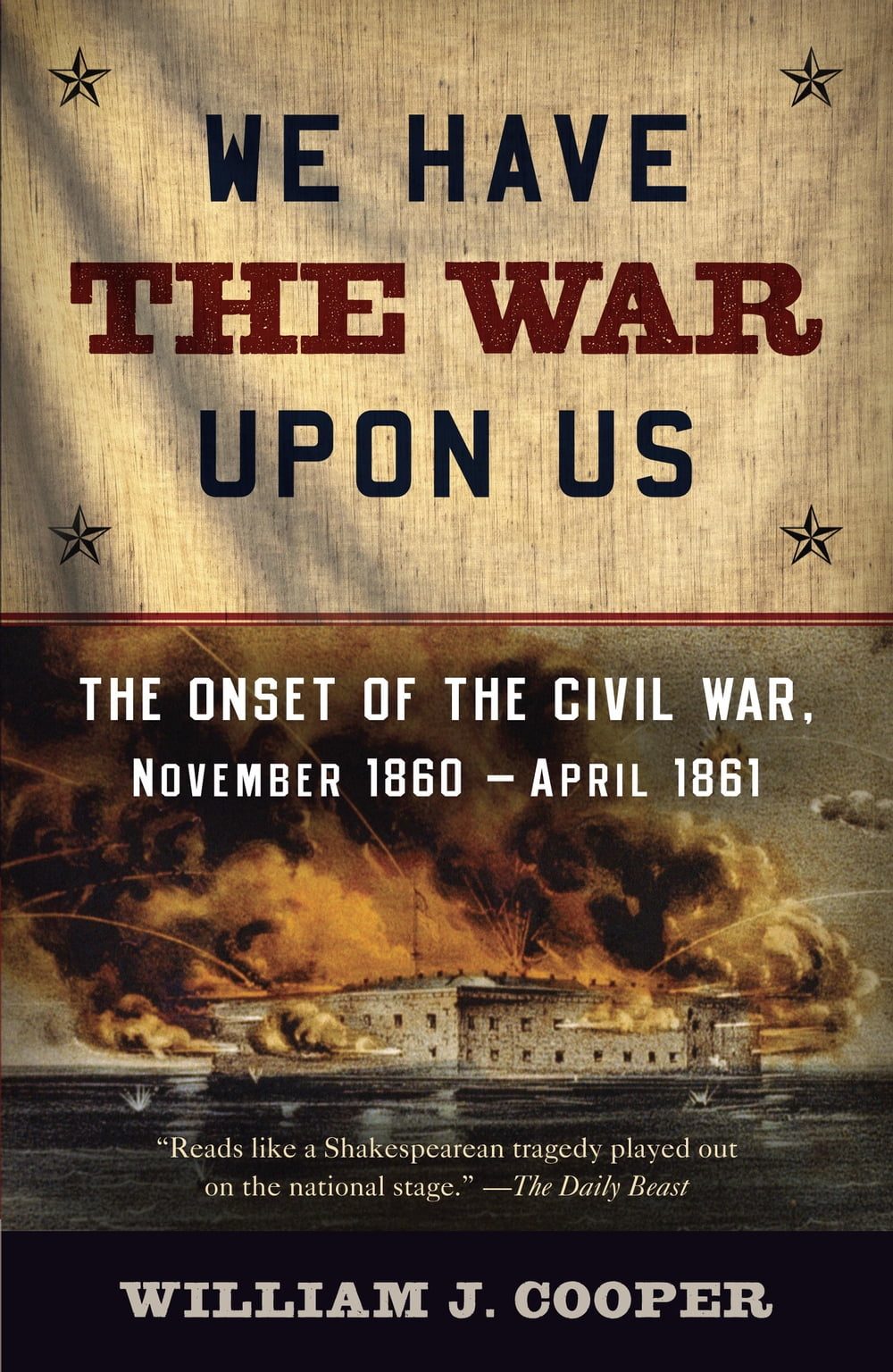



In this carefully researched book William J. Cooper gives us a fresh perspective on the period between Abraham Lincoln’s election in November 1860 and the firing on Fort Sumter in April 1861, during which all efforts to avoid or impede secession and prevent war failed. Here is the story of the men whose decisions and actions during the crisis of the Union resulted in the outbreak of the Civil War. Sectional compromise had been critical in the history of the country, from the Constitutional Convention of 1787 through to 1860, and was a hallmark of the nation. On several volatile occasions political leaders had crafted solutions to the vexing problems dividing North and South. During the postelection crisis many Americans assumed that once again a political compromise would settle yet another dispute. Instead, in those crucial months leading up to the clash at Fort Sumter, that tradition of compromise broke down and a rapid succession of events led to the great cataclysm in American history, the Civil War. All Americans did not view this crisis from the same perspective. Strutting southern fire-eaters designed to break up the Union. Some Republicans, crowing over their electoral triumph, evinced little concern about the threatened dismemberment of the country. Still others—northerners and southerners, antislave and proslave alike—strove to find an equitable settlement that would maintain the Union whole. Cooper captures the sense of contingency, showing Americans in these months as not knowing where decisions would lead, how events would unfold. The people who populate these pages could not foresee what war, if it came, would mean, much less predict its outcome. We Have the War Upon Us helps us understand what the major actors said and did: the Republican party, the Democratic party, southern secessionists, southern Unionists; why the pro-compromise forces lost; and why the American tradition of sectional compromise failed. It reveals how the major actors perceived what was happening and the reasons they gave for their actions: Lincoln and Jefferson Davis, Stephen A. Douglas, William Henry Seward, John J. Crittenden, Charles Francis Adams, John Tyler, James Buchanan, and a host of others. William J. Cooper has written a full account of the North and the South, Republicans and Democrats, sectional radicals and sectional conservatives that deepens our insight into what is still one of the most controversial periods in American history.
-
Autore:
-
Anno edizione:2012
-
Editore:
-
Formato:
-
Lingua:Inglese
Compatibilità:
Tutti i dispositivi (eccetto Kindle) Scopri di più
Layout:
Reflowable
EAN:
9780307960887

Formato:
Gli eBook venduti da Feltrinelli.it sono in formato ePub e possono essere protetti da Adobe DRM. In caso di download di un file protetto da DRM si otterrà un file in formato .acs, (Adobe Content Server Message), che dovrà essere aperto tramite Adobe Digital Editions e autorizzato tramite un account Adobe, prima di poter essere letto su pc o trasferito su dispositivi compatibili.
Cloud:
Gli eBook venduti da Feltrinelli.it sono sincronizzati automaticamente su tutti i client di lettura Kobo successivamente all’acquisto. Grazie al Cloud Kobo i progressi di lettura, le note, le evidenziazioni vengono salvati e sincronizzati automaticamente su tutti i dispositivi e le APP di lettura Kobo utilizzati per la lettura.
Clicca qui per sapere come scaricare gli ebook utilizzando un pc con sistema operativo Windows
