










EBOOK IN LINGUA STRANIERA





The World Made Meme

22,14 €
+220
punti 
Venditore: Feltrinelli

Acquista online
Scaricabile subito
Articolo acquistabile con Carta del Docente

Articolo acquistabile con Carta Cultura Giovani e Carta del Merito

Articolo acquistabile con Carta della Cultura

Dati e Statistiche
 Salvato in 0 liste dei desideri
Salvato in 0 liste dei desideri
The World Made Meme
Scaricabile subito
22,14 €
22,14 €
Scaricabile subito

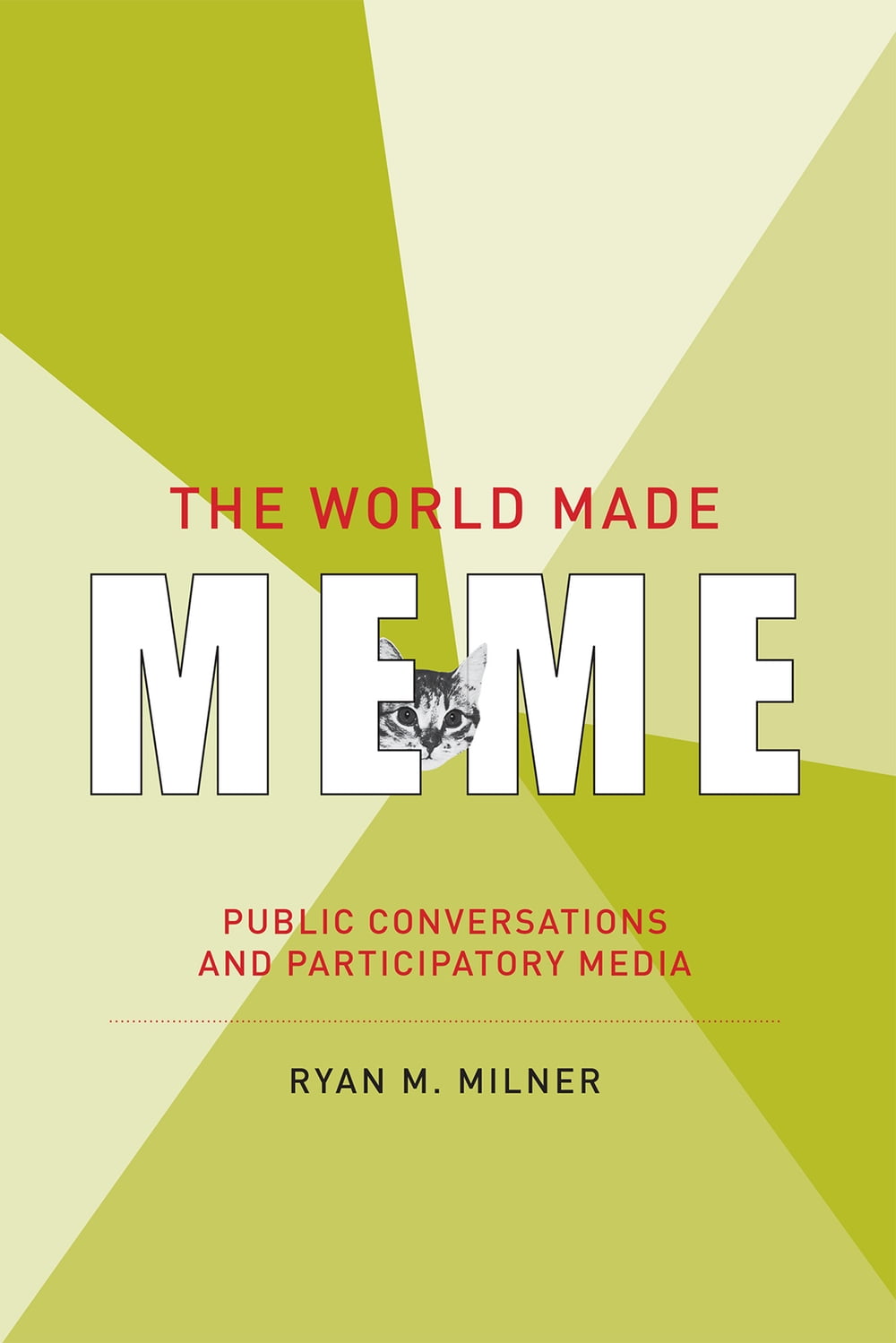



How memetic media—aggregate texts that are collectively created, circulated, and transformed—become a part of public conversations that shape broader cultural debates. Internet memes—digital snippets that can make a joke, make a point, or make a connection—are now a lingua franca of online life. They are collectively created, circulated, and transformed by countless users across vast networks. Most of us have seen the cat playing the piano, Kanye interrupting, Kanye interrupting the cat playing the piano. In The World Made Meme, Ryan Milner argues that memes, and the memetic process, are shaping public conversation. It's hard to imagine a major pop cultural or political moment that doesn't generate a constellation of memetic texts. Memetic media, Milner writes, offer participation by reappropriation, balancing the familiar and the foreign as new iterations intertwine with established ideas. New commentary is crafted by the mediated circulation and transformation of old ideas. Through memetic media, small strands weave together big conversations. Milner considers the formal and social dimensions of memetic media, and outlines five basic logics that structure them: multimodality, reappropriation, resonance, collectivism, and spread. He examines how memetic media both empower and exclude during public conversations, exploring the potential for public voice despite everyday antagonisms. Milner argues that memetic media enable the participation of many voices even in the midst of persistent inequality. This new kind of participatory conversation, he contends, complicates the traditional culture industries. When age-old gatekeepers intertwine with new ways of sharing information, the relationship between collective participation and individual expression becomes ambivalent. For better or worse—and Milner offers examples of both—memetic media have changed the nature of public conversations.
-
Autore:
-
Anno edizione:2016
-
Editore:
-
Formato:
-
Lingua:Inglese
Compatibilità:
Tutti i dispositivi (eccetto Kindle) Scopri di più
Layout:
Reflowable
EAN:
9780262335928

Formato:
Gli eBook venduti da Feltrinelli.it sono in formato ePub e possono essere protetti da Adobe DRM. In caso di download di un file protetto da DRM si otterrà un file in formato .acs, (Adobe Content Server Message), che dovrà essere aperto tramite Adobe Digital Editions e autorizzato tramite un account Adobe, prima di poter essere letto su pc o trasferito su dispositivi compatibili.
Cloud:
Gli eBook venduti da Feltrinelli.it sono sincronizzati automaticamente su tutti i client di lettura Kobo successivamente all’acquisto. Grazie al Cloud Kobo i progressi di lettura, le note, le evidenziazioni vengono salvati e sincronizzati automaticamente su tutti i dispositivi e le APP di lettura Kobo utilizzati per la lettura.
Clicca qui per sapere come scaricare gli ebook utilizzando un pc con sistema operativo Windows
